rio - kn

test

Posts about Blog (4):

How to Overcome the Biggest Sustainability Challenges in Public-Private Partnerships

How to Overcome the Biggest Sustainability Challenges in Public-Private Partnerships

As sustainability moves to the forefront of global business priorities, Public-Private Partnerships (PPPs) are increasingly being scrutinised for their environmental impact. No longer is sustainability merely a "nice to have"; it has become a fundamental requirement for success, both in terms of long-term project outcomes and public perception. Yet, many companies face significant challenges when it comes to implementing sustainable practices within their PPPs. From balancing conflicting priorities to measuring performance and allocating risks, the road to sustainability in these partnerships can be a tough one.

How To Use Sustainability Accounting to Drive Decarbonisation in Your Operations?

How To Use Sustainability Accounting to Drive Decarbonisation in Your Operations?

The Oil and Gas sector faces increasing pressure to reduce greenhouse gas (GHG) emissions. With global stakeholders demanding transparency, accountability, and tangible progress toward decarbonisation, sustainability managers are at the forefront of this transition. One powerful tool in their arsenal is sustainability accounting. By systematically tracking and reporting environmental performance, organisations can not only meet regulatory requirements but also uncover actionable insights to drive decarbonisation.

What the new proposed ESG rating transparency regulation means for UK companies

What the new proposed ESG rating transparency regulation means for UK companies

The UK Chancellor's recent announcement of stricter regulations for ESG rating agencies marks a significant development in the corporate landscape. This follows the EU's recent adoption of “Regulation on the Transparency and Integrity of Environmental, Social and Governance (ESG) Rating Activities” or “ESGR”.  Both the UK and EU hope this will increase the consistency and transparency of ESG ratings. The loss of confidence in (financial) rating agencies was a major repercussion of the 2008 financial crisis due to their failure to identify subprime securities: this regulation intends to ensure agencies remain an independent arbiter to bolster investor confidence in ESG-related ratings. It also presents an opportunity for businesses to better identify areas for improvement and make more informed decisions about their sustainability strategies.

Has Carbon Reporting Become a Barrier to Action?

Has Carbon Reporting Become a Barrier to Action?

In the UK, the push towards comprehensive sustainability disclosure has led organisations to grapple with an ever-expanding volume of data requirements. 

As the scope of responsibilities around data collection, recording, validation, and processing widens, UK companies navigate a complex regulatory environment and significant operational challenges. 

Many UK sustainability leaders believe the administrative burdens of carbon reporting are actively delaying their decarbonisation efforts, with many finding that spending on sustainability reporting now significantly overshadows investment in innovation.

Reflecting on the 2024 UK Infrastructure Show

Reflecting on the 2024 UK Infrastructure Show

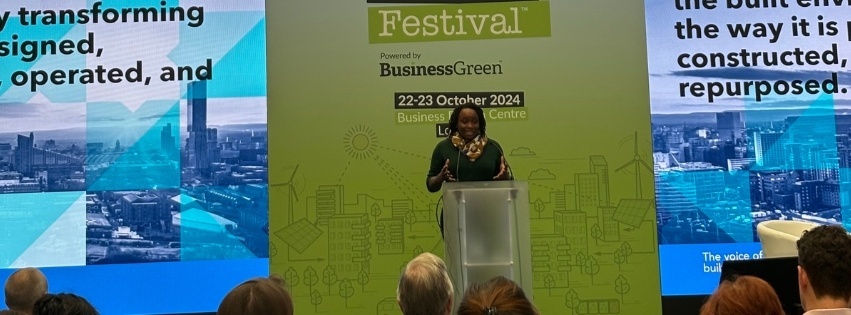
Are you a supplier into a UK government body? Did you know that it’s imperative to have a Net Zero carbon commitment and a plan to get there if you are bidding for government contracts? The UK Social Value Act should also be on your radar - sustainability is more than carbon – as you may need to outline how you are benefiting the community.