
In this blog, we are going to look at the benefits of bespoke eLearning development against opting for a tailored approach or generic off-the-shelf content use (both of which obviously have their own benefits too).
In this blog, we are going to look at the benefits of bespoke eLearning development against opting for a tailored approach or generic off-the-shelf content use (both of which obviously have their own benefits too).

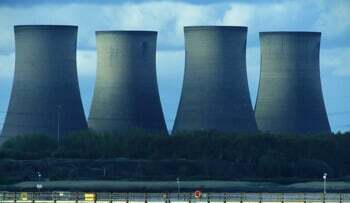
Regulation of emissions to air from large combustion processes is well established; The Large Combustion Plant Directive (LCPD), issued in 2001, was a European directive which required member states to limit flue gas emissions from all combustion plant having a thermal capacity of 50MW (thermal) or greater. The LCPD was superseded by the Industrial Emissions Directive (Directive 2010/75/EU) on integrated pollution prevention and control, referred to simply as the ‘IED’. This covers large power plants regardless of the fuel used e.g. oil, gas, biomass, refuse derived fuels (RDF) or municipal solid waste (MSW).

Often called the “explainer video”, our learning animations provide your people with a concise understanding of any given subject. Our innovative and creative way makes our animations perfect for any business, and are great for quick, bite-sized, anytime learning.
I was listening to the old wireless on Wednesday last week at a moment when Liberal Democrat leader Jo Swinson, was addressing her party conference.

Recently in a rather heated exchange with an old Australian pal (old in age and because I have know him for 30 years) he contended that the climate change theory was a hoax. "Green house gasses may be increasing" he said "but CO2 is not a pollutant and the difference between 300 and 415 parts per million was so insignificant it could never be the cause of global warming".

The announcement from the outgoing UK Prime Minister Theresa May on June 12th can be read in many ways. Politically it could be holding the future PM hostage to fortune, having to implement a policy he does not agree with whilst leaving her with a positive legacy people will remember. Practically the announcement was met with scepticism from Greenpeace who criticised that off-shoring reductions through offsets in (for example) tree planting in other countries leads to abuse of the system and weakness in monitoring. While the discredited climate sceptic from Denmark, Bjorn Lomborg, (you can read more about his discredited science here) highlights the costs rather than the benefits.
The UK Government has committed to being a net-zero emitter of carbon by 2050. Outgoing Prime Minister Theresa May said:
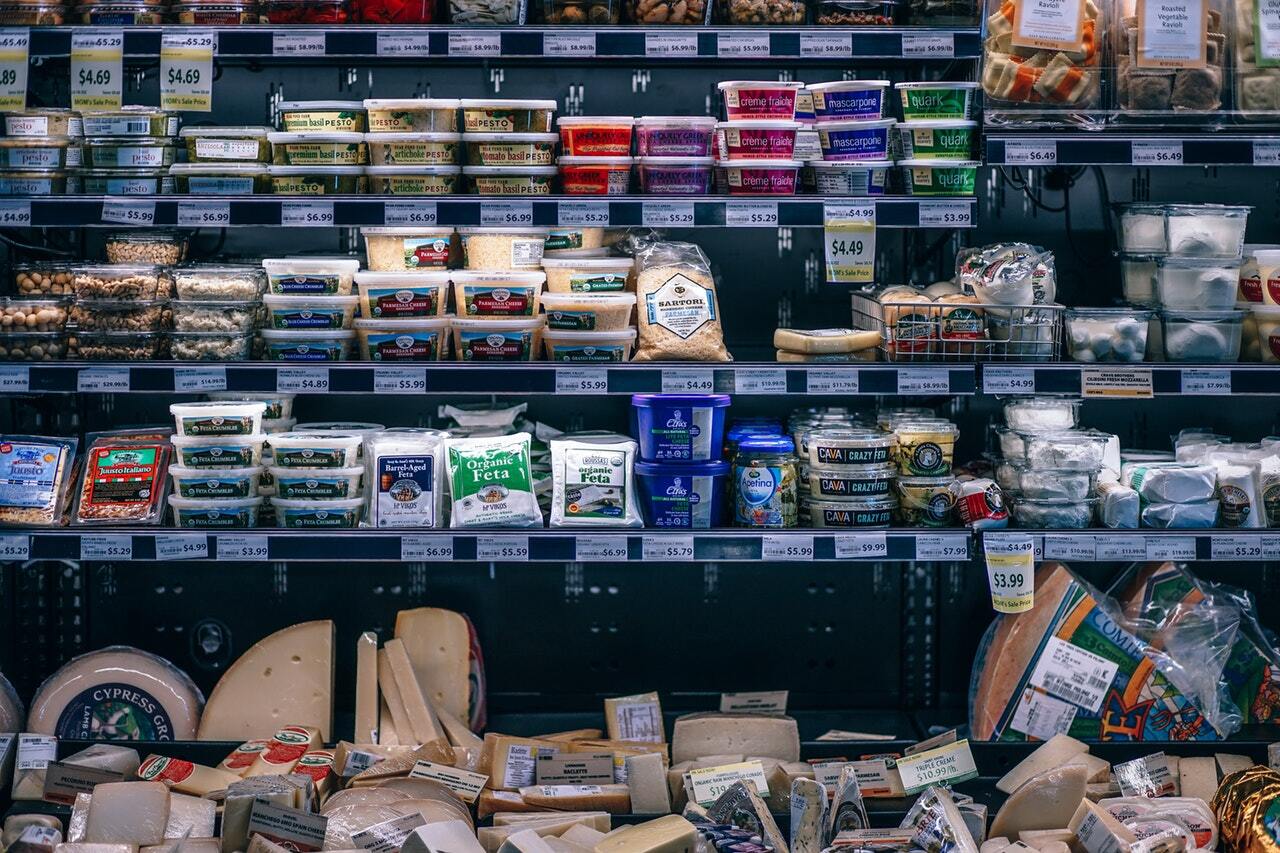
It’s going to be increasingly apparent over coming decades that society has an insurmountable problem with food. The planet will be holding more people than ever. More people require more urban land use to hold them in. And, they will all want to eat.

As much as many of us would like to kick the habit, the simple truth is that the UK, like much of the world, is hooked on plastic. According to a recent report commissioned by retail app Ubamarket, we are now sending 114,000 tonnes of the stuff to landfill each year. However, 82% of the 2000 respondents surveyed said that they believe plastic packaging on food and drink products to be excessive, and 77% feel that as much as they want to change their on behaviour, they feel that manufacturers and supermarkets are simply not doing enough to combat plastic waste.

Earlier in May, the annual Circular Change conference took place in Ljubljana, Slovenia. It celebrated many successes, with many speakers taking an upbeat view of the future. However, this view comes at a price: it was noted that the global environment continues to deteriorate, and for the world at large, a truly circular economy is still very much a pipe dream.