Iris Announces Partnership with UMPQUA Health to Serve Medicaid and Dual Eligible Members
March 30, 2021 – AUSTIN, TEXAS
Posts by:

March 30, 2021 – AUSTIN, TEXAS

Experts have extolled advance care planning for all adults as a way to make sure their wishes and values would be honored should a medical crisis make it impossible for them to directly communicate their preferences for medical care and treatment.

Many patients with serious illness receive unnecessary and unwanted care delivered to them at end of life, one of the largest drivers of waste in our health care system. A possible response to this problem is advance care planning. Advance care planning (ACP) is a process in which a patient reflects upon their goals, values and beliefs, allowing them to make decisions about their future medical treatments that align with their goals and values. ACP is multifaceted, addressing the patient’s legal rights, who their substitute decision maker(s) will be, and their preferences for future medical interventions.

The Centers for Medicare & Medicaid Services (CMS) has released the list of nineteen (19) Medicare Advantage organizations (MAOs) through 53 Medicare Plan Benefit Packages (PBPs), that will participate in the Hospice Benefit Component of the Value-Based Insurance Design (VBID) Model starting January 1st, 2021. These PBPs will test the Hospice Benefit Component in service areas that cover 206 counties, which aims to test how including hospice into the MA program (i.e. “carving” it in) will impact care quality, coordination, and costs for seriously-ill MA beneficiaries.

Few things in life are universally beneficial — advance care planning (ACP) is one of them.

In the face of uncertainty, making informed medical choices in advance can provide much-needed peace of mind. This is especially true when planning for future medical care (such as CPR or intubation), as these important choices can be incredibly challenging to make in the moment of a medical crisis.However, most people today fail to plan their medical care in advance. In fact, recent Medicare data shows that less than 3% of patients participate in advance care planning conversations with their doctor. Without this planning, individuals and families may find themselves unprepared during a healthcare emergency.
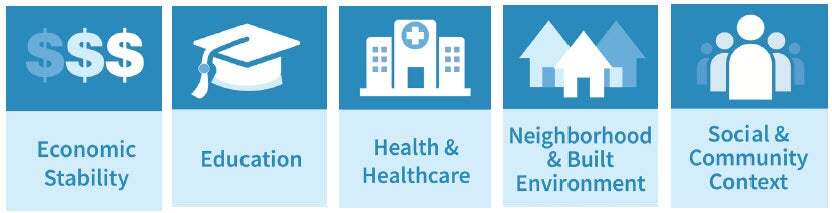
Advanced care planning (ACP) is a process that supports patients in understanding and defining their values, goals, and preferences regarding future medical care when facing a serious illness. The goal of ACP is to help ensure that people receive medical care that is consistent with these preferences. This can be a very delicate and difficult conversation to have with care teams or loved ones and certain social factors can become additional barriers in having these advance care discussions. Some of these factors fall under the umbrella of social determinants of health (SDoH) and should be adequately understood and addressed in order to facilitate having conversations surrounding future goals of care.


In the COVID-19 era, under relaxed federal emergency orders, licensed clinicians have been able to prescribe opioid analgesics for their patients even if they've only ever seen the patient via telehealth, rather than in person.

On Wednesday December 2, Senator Richard Blumenthal introduced the Compassionate Care Act, a bill that supports advance care planning and serious illness. Advance care planning (ACP) is an ongoing process that supports individuals in understanding and sharing their values, goals and preferences for future medical care. These care decisions are then formally documented within an Advance Directive, a legal document that ensures one’s care wishes are followed. Documented benefits of ACP include improvements in patient and family satisfaction and well-being, improved agreement between preferences for care and delivered care, and healthcare savings.