Axio’s CRQ Included in Gartner’s 2024 Hype Cycle for Cyber-Risk Management
Axio’s CRQ Included in Gartner’s 2024 Hype Cycle for Cyber-Risk Management
In the early hours of Friday, July 19th, airline flights were halted, hospitals couldn’t serve patients, and critical infrastructure was disrupted—all because of a security software update gone wrong. Systems became inoperable due to a bug nobody was prepared for. Unlike the Y2K panic of over two decades ago, which was overblown and largely averted through extensive preparation, this event transpired and caused widespread chaos. It posed critical questions at many companies: “What was the impact?” or “What would the impact have been?”

I recently read a LinkedIn post discussing the usefulness or lack thereof regarding the use frameworks in developing your cybersecurity roadmap. The author discussed implementing controls that they felt were going to give the organization the best cost to benefit ratio, but the author never really discussed what they did to come up with what those missing controls nor what risks they were mitigating through implementing them. Now I certainly agree there are some controls which will give you a much bigger bang for your buck, like multifactor authentication, endpoint detection and response or additional network segmentation. All three of those controls will certainly reduce your risk more than some of the policies and procedures that any cyber framework will recommend you implement, but does that mean you shouldn’t implement these policies and procedures?
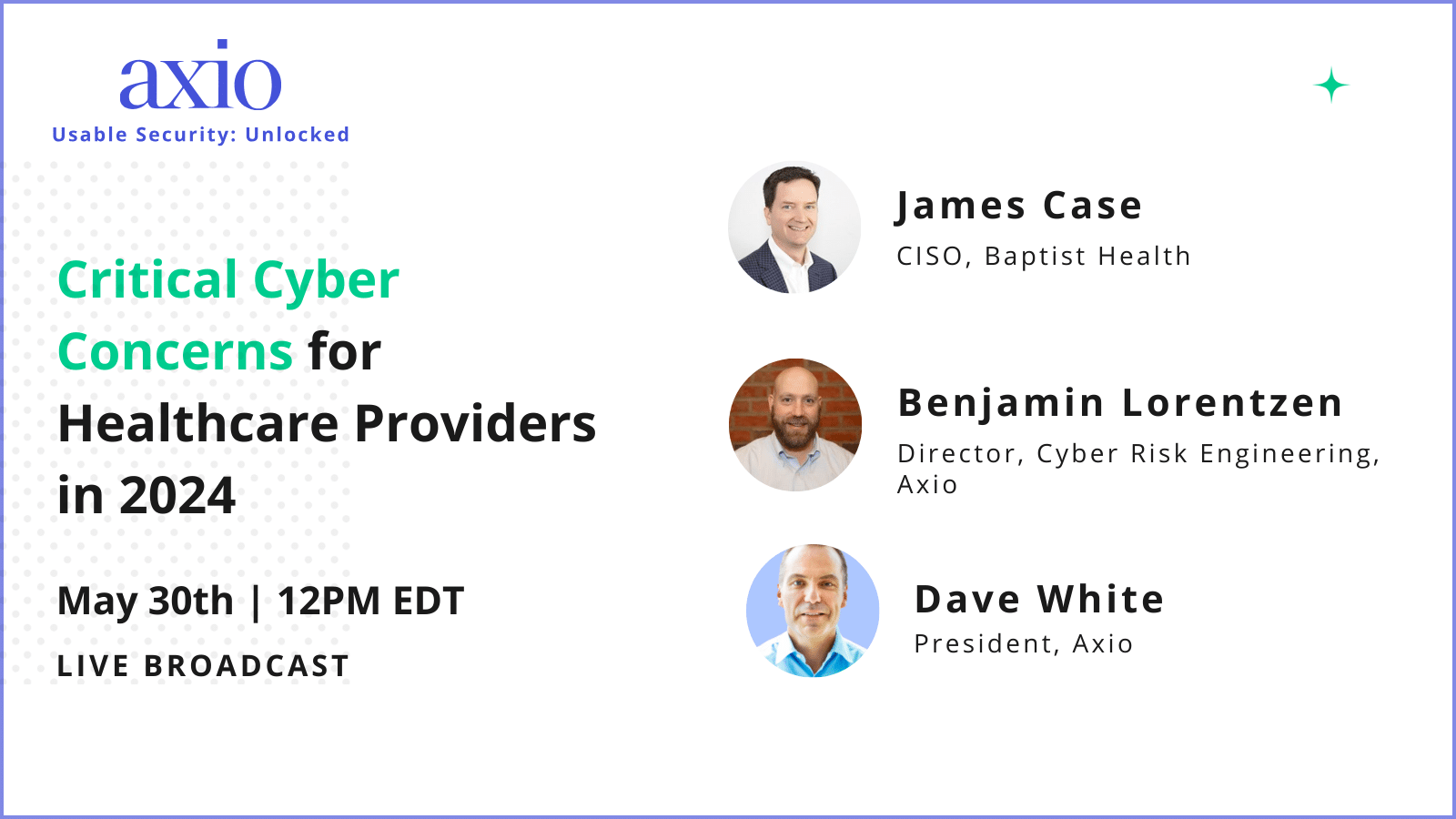
Baptist Health CISO James Case shared insights on transforming cybersecurity through a risk-focused lens at a recent webinar we hosted.
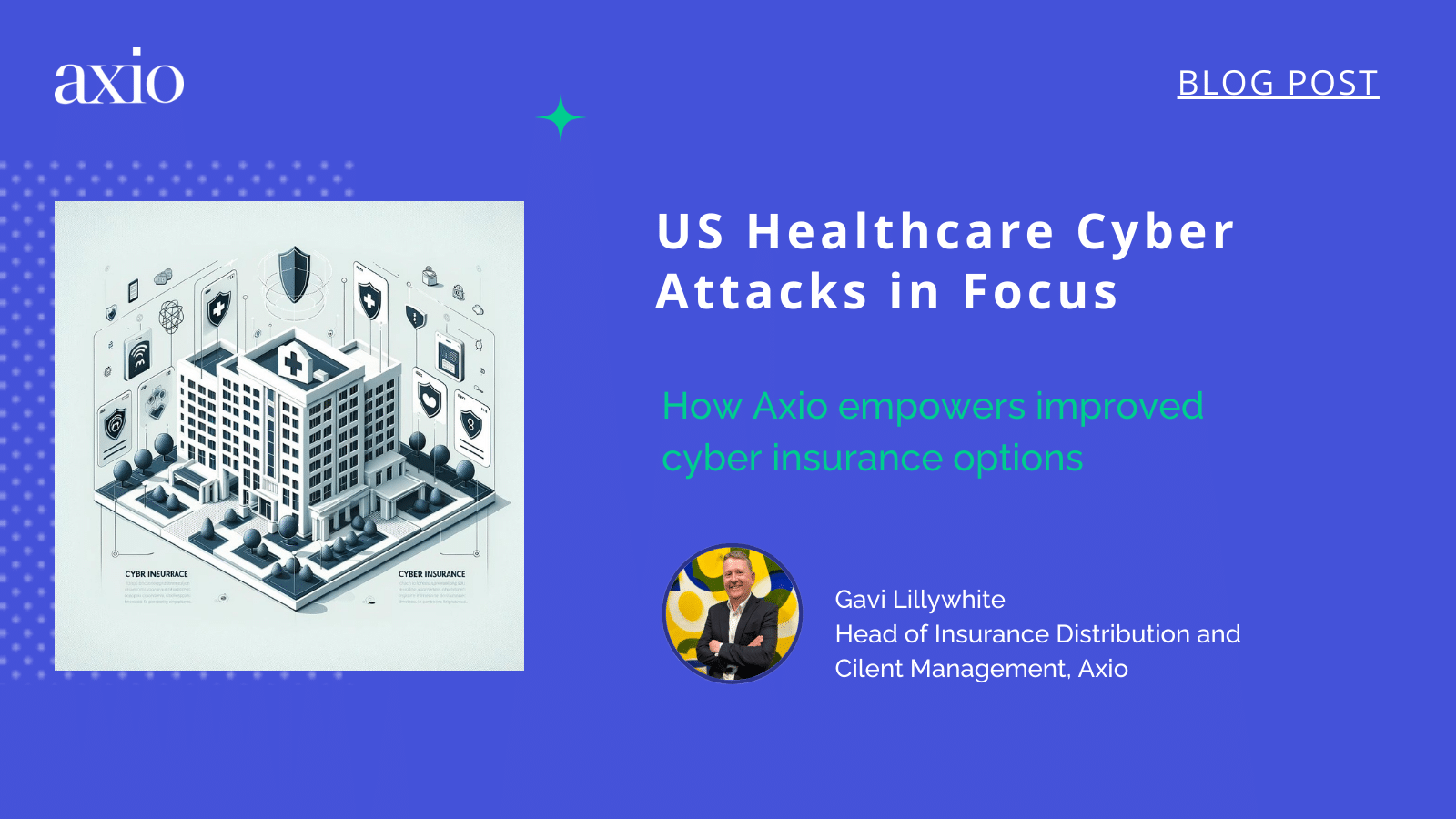
Cyber-attacks continue unbated including the resurgence of ransomware across a platitude of industry segments, picking off the most vulnerable and exposed; threat actors continue to be successful due to continued enterprise vulnerabilities. The recent spate of cyber attacks on the Healthcare industry and the perilous quest for cybersecurity funding, particularly in the US needs no introduction; United Health and Change Healthcare dominating the headlines

What are the financial performance benefits of strong cyber governance?

Welcome to Axio’s series on cybersecurity for healthcare providers, where we share expert insights and practical advice tailored to the unique security needs of the medical sector. Our aim is to equip healthcare security professionals with the knowledge and tools necessary to safeguard sensitive patient data against increasing cyber threats. Each installment of this series will explore various aspects of cybersecurity risk management we have deployed with Axio customers. By staying informed and proactive, healthcare providers can ensure a secure environment for both their patients and their practice.

Welcome to Axio’s series on cybersecurity for healthcare providers, where we share expert insights and practical advice tailored to the unique security needs of the medical sector. Our aim is to equip healthcare security professionals with the knowledge and tools necessary to safeguard sensitive patient data against increasing cyber threats. Each installment of this series will explore various aspects of cybersecurity risk management we have deployed with Axio customers. By staying informed and proactive, healthcare providers can ensure a secure environment for both their patients and their practice.
Last week’s blog talked about the events that nearly brought Change Healthcare’s services to a halt. This week, we’re going to look at the same event from the angle of healthcare organizations that the affected billing services have impacted. This is looking mainly at practices and large hospital networks that use payment management software to secure funds from insurance providers.

This article was written by Brian Benestelli and John Fry