
When it comes to delivery, what’s your definition of “fast?” For a walloping 96% of consumers, “fast” means “same day.” Perhaps that’s part of the reason that more than half of retailers are already offering some form of same-day delivery.
When it comes to delivery, what’s your definition of “fast?” For a walloping 96% of consumers, “fast” means “same day.” Perhaps that’s part of the reason that more than half of retailers are already offering some form of same-day delivery.
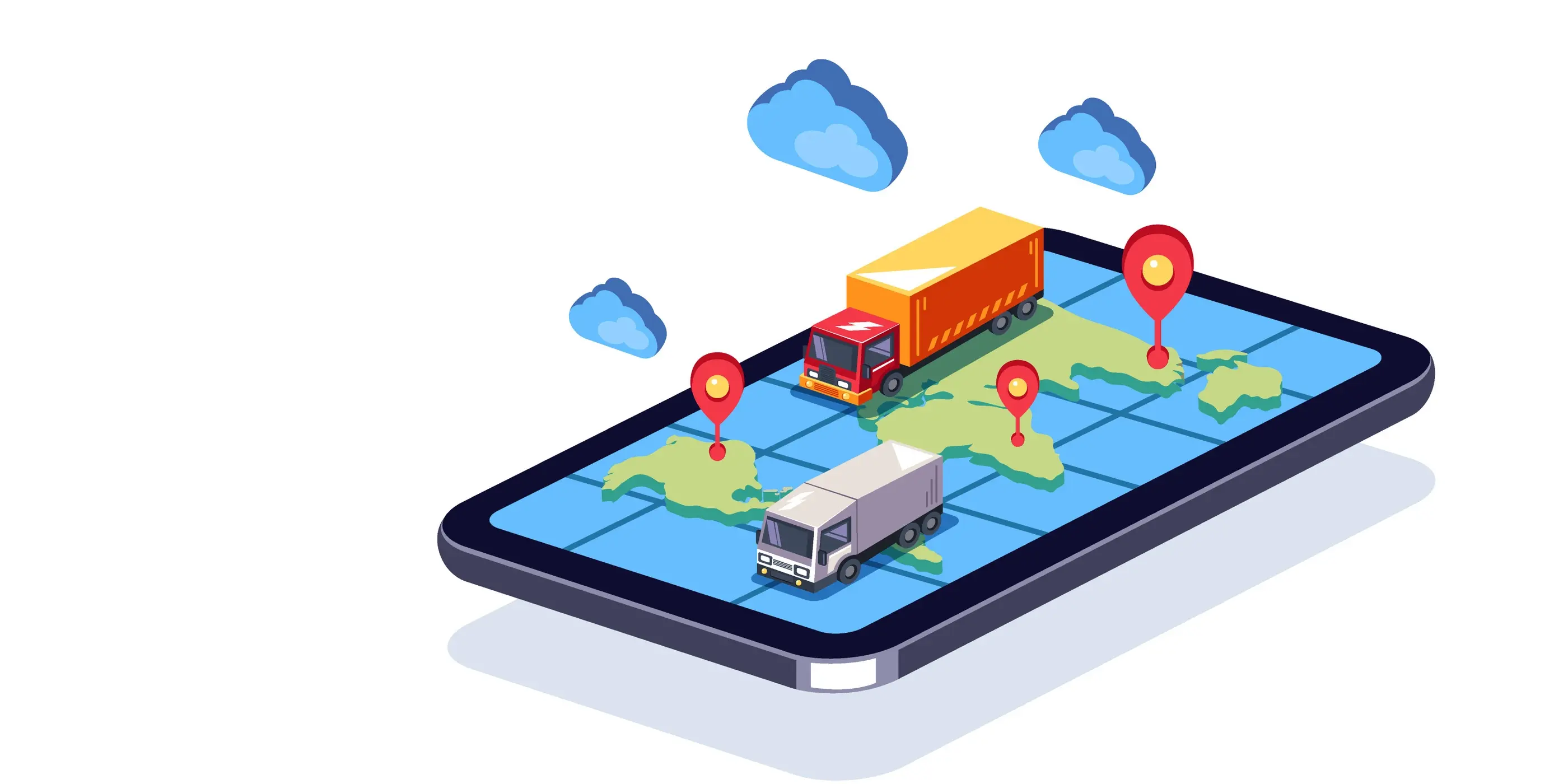
Businesses can choose to operate their in-house fleets or engage the services of a third-party logistics (3PL) provider. Working with a 3PL company can offer more convenience, but running your own fleets will generally give you better control of the delivery experience and often more potential for cost savings.
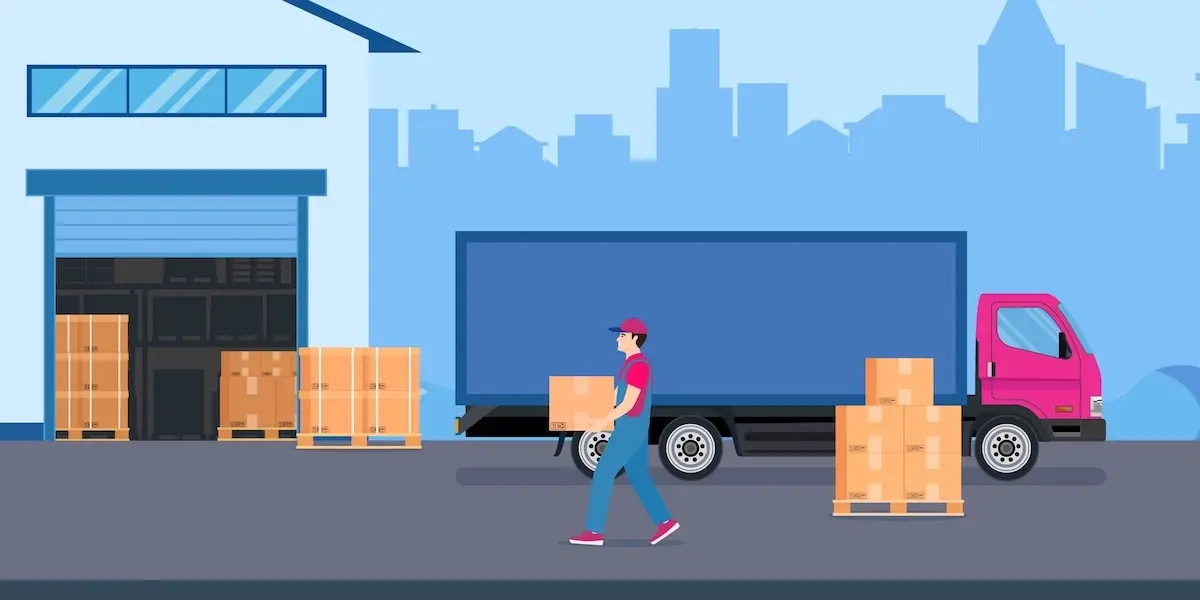
Logistics plays a crucial role in modern society. The success or failure of enterprises depends at least in large part on their ability to ensure operational efficiency in logistics and meet customers’ demands. Thus, businesses that have a streamlined and well-functioning supply chain are more likely to be competitive in the current uncertain market conditions. The key to achieving an efficient supply chain? Investing in freight management software.

9 in 10 consumers want the ability to track their delivery orders. It’s hard to get 90% of people to agree about anything, but when it comes to delivery preferences there is a pretty clear consensus.
The exponential growth of e-commerce may have slowed, but the continued interest in last mile delivery is forcing businesses to find ways to make their operations more efficient and cost-effective.
In 2023, the last mile delivery market grew to $146 billion, and that number has only gone up in the meantime. That means that in 2025 there are going to be more opportunities than ever for businesses that are able to capitalize on the growing demand—among both consumers and other businesses—for effective deliveries. But here’s the catch: to succeed, businesses need to fulfill delivery promises consistently in an increasingly competitive market.
While the acceleration of the shift from in-store sales to e-commerce has slowed slightly, online sales are still forecast to grow at around 8% per year for the foreseeable future. Coupled with rising customer expectations, the pressure on retailers to deliver more goods, faster, with higher accuracy is immense and growing.
The demands on last-mile delivery continue to intensify. Today’s consumers expect deliveries that are faster, more affordable, and more reliable than ever before. For delivery organizations, meeting these escalating expectations without ballooning costs requires a fundamental shift away from conventional methods.
Telematics software, which refers to the merging of information processing and telecommunications, actually became popular in the US in the 1970s—but it’s gaining more traction these days with the increasing reliability of telecommunications networks and the internet. Delivery organizations of different stripes are using telematics to transmit real-time information aimed at enabling the more effective management of fleets.