How Do You Ensure a 5-Star Customer Experience? [Video]
How Do You Ensure a 5-Star Customer Experience? [Video]

Campbell, CA – November 13, 2024 – For independent home goods retailers, beating the big box stores isn’t easy, but Kayla Hopple, Marketing Manager for Illinois-based Sherman’s, has found a formula: heart, hustle and advanced tech tools.
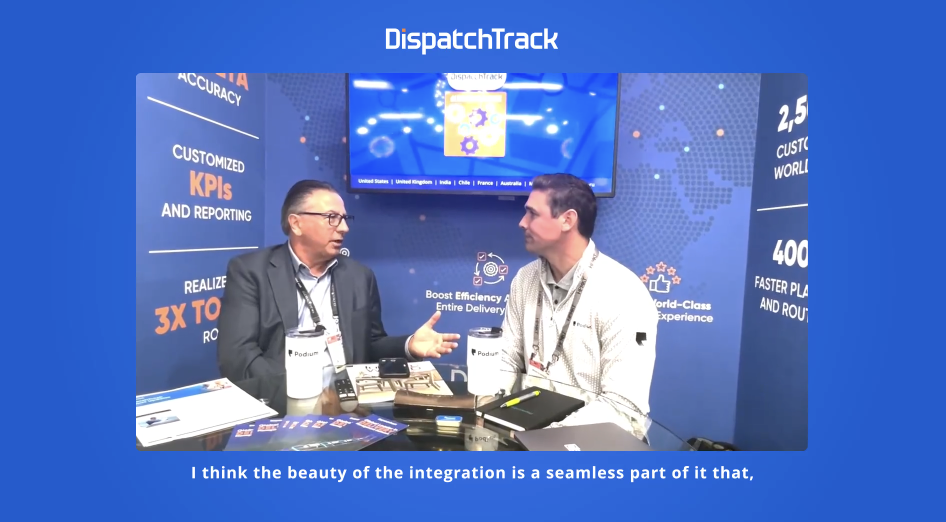
How DispatchTrack and Podium Work Together to Boost Engagement [Video]

Visibility is more than just the location of the delivery truck on a map. As the global logistics industry grows by more than 5% annually, the ability to operate efficiently gets more and more important all the time—and that means achieving real visibility.
New integrations between the platforms enable a connected scheduling, rescheduling, and customer communication experience.
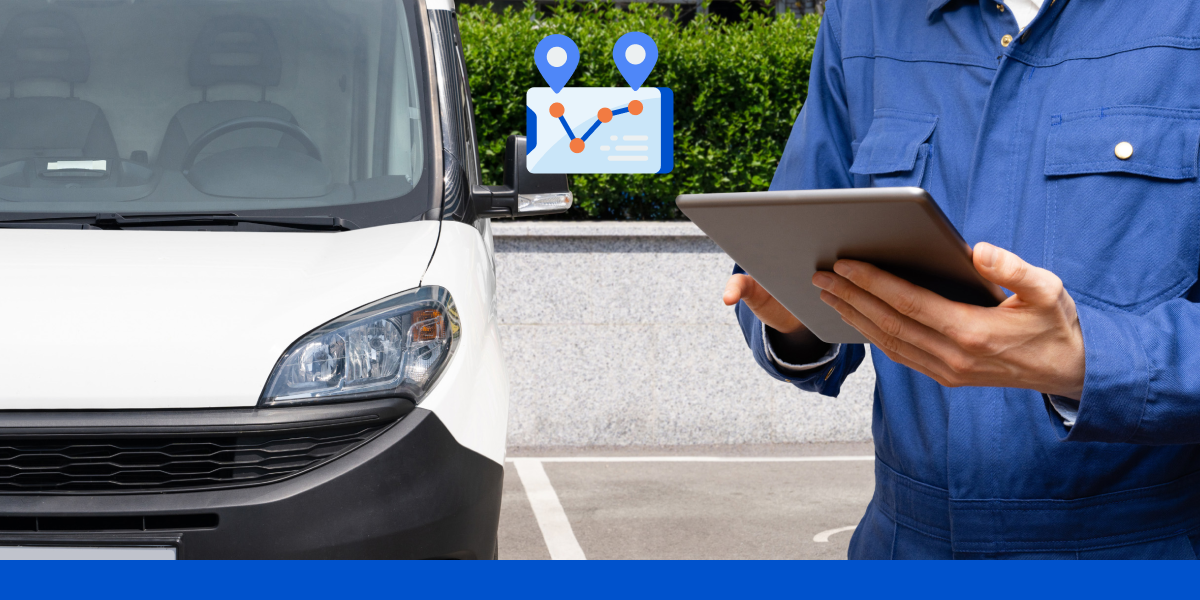
More and more businesses are focusing on last mile delivery management as a key way to add value for their customers. The importance of getting the right product to the right delivery site at the right time certainly isn’t a new concept—but the technology available to players of all shapes and sizes in the logistics space has evolved significantly in recent years. There’s nothing stopping mid-sized companies from leveraging the world-leading tools for scheduling their deliveries and executing on their last mile plans.
Whether you’re managing a small delivery fleet or overseeing hundreds of vehicles, choosing the right technology can be the key to success in satisfying customers and controlling costs. But how do you separate the software that will propel you forward from those that might actually hold you back? Separating sales promises from real-world performance is difficult, but using comprehensive fleet management software reviews can help light your way through the marketing fog.
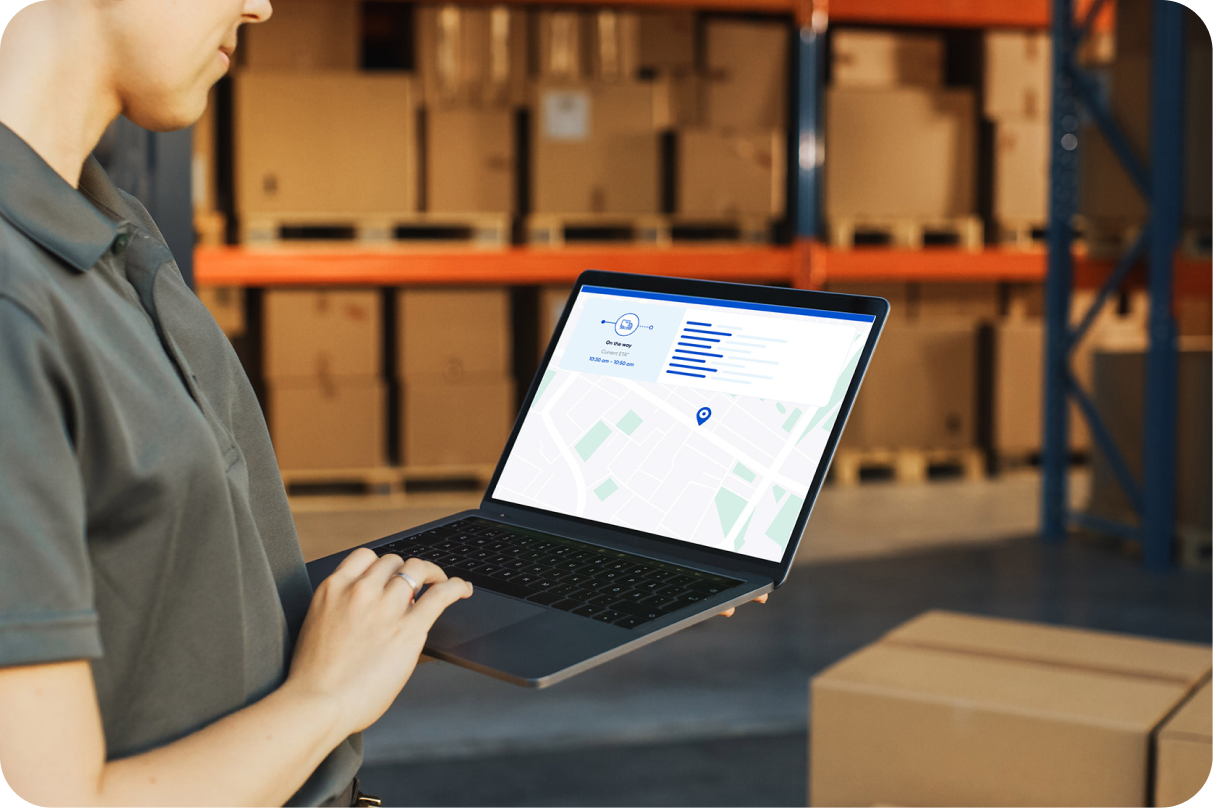
Delivery operations have never been easy, but the complex and evolving environment now presents an almost perfect storm of challenges. Driver shortages force companies to do more with fewer resources. Vehicle capacity often goes underutilized due to poor planning, while urban traffic congestion delays even the most carefully planned routes.

Updated 2/4/2026
Last mile delivery costs are driven by a wide range of different factors, from fuel and labor to phone calls, printed paperwork, truck maintenance, and more. It’s no wonder that the last mile accounts for nearly half of total logistics costs! So it’s no surprise that businesses across multiple verticals are always on the lookout for ways to manage those costs—which is why more and more delivery organizations are prioritizing digital proof of delivery.
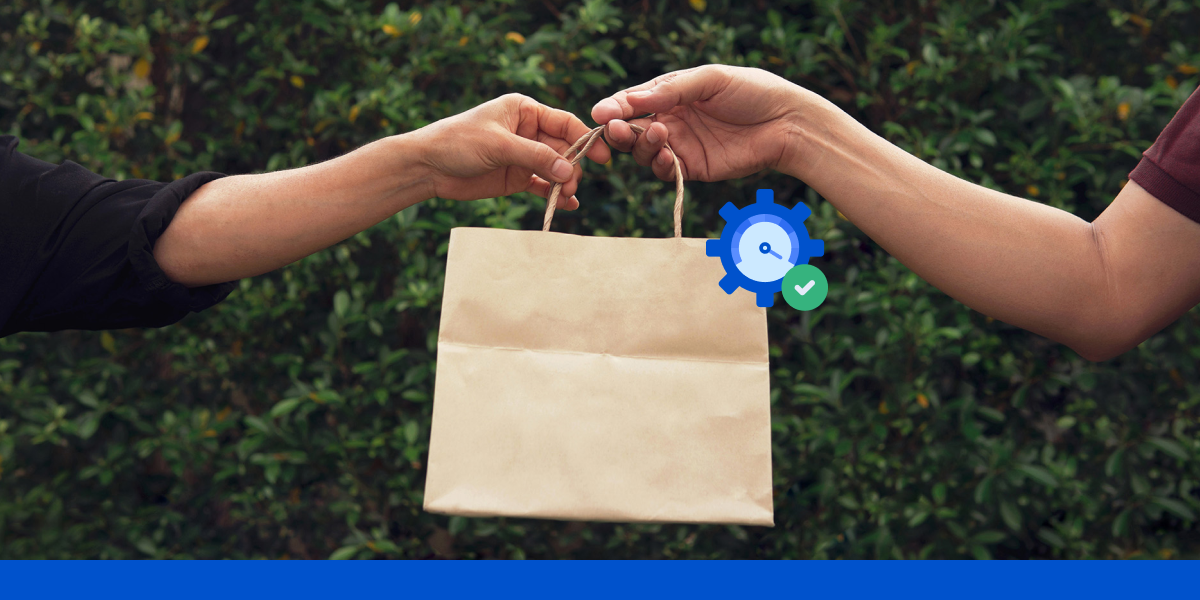
A lot of trends that gained steam during the pandemic have receded into the background in the last couple of years—but there are others that are still making their presence felt. Unfortunately, one of those trends that has stuck with us is QR code menus at restaurants. On the other hand, fulfillment channel trends like the rise of “buy online, pickup in store” (BOPIS) have also had staying power, presenting intriguing opportunities for modern retailers.