The Art & Science of Awe
What led Dacher Keltner, renowned UC Berkeley psychology professor and director of the university’s Greater Good Science Center, to focus on the little-studied emotion of awe?
Posts about:

What led Dacher Keltner, renowned UC Berkeley psychology professor and director of the university’s Greater Good Science Center, to focus on the little-studied emotion of awe?
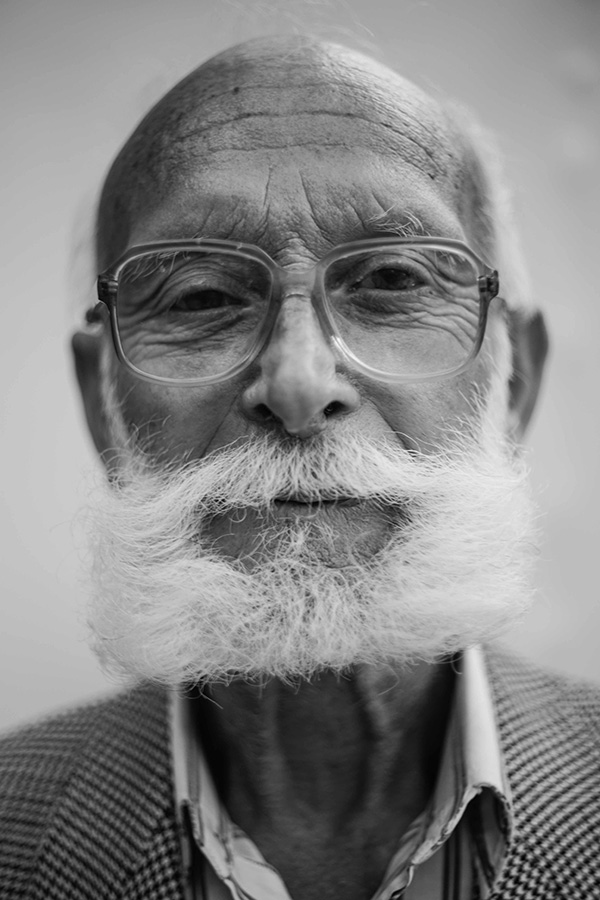
IONS' mediumship experiment, Prediction of Mortality Based on Facial Characteristics, was published in the May edition of Frontiers journal. The article highlights our recent experiment with 12 mediums, who were asked to detect deceased individuals in photographs while their brainwaves were recorded. The results show some brainwaves associated with correct detection, and the study supports the hypothesis that facial photographs contain as-yet unidentified information predicting mortality.
Based on the lifelong interest of Luís Portela, the CEO of the BIAL pharmaceutical company, the BIAL Foundation finances frontier research. While it also funds mainstream research, it is one of the only foundations in the world to consistently request proposals in unusual phenomena and parapsychology.
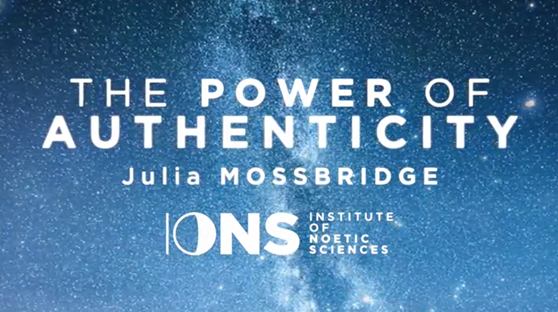
The Harvard Business Review reports that since 2008, the number of articles that mention the word “authenticity” in the headlines or lead paragraph has tripled. Can something that has become a buzzword actually be “authentic,” and what would that look like? IONS researcher, Julia Mossbridge, explores this and more with her presentation,”The Power of Authenticity: How Aliveness can Shift the Valley toward Engagement, Creativity, and Flow,” at the Consciousness Hacking House in Silicon Valley.

Those familiar with IONS know what we do:

At a recent conference, I mentioned my interest in studying channeling and mediumship to my fellow scientists. An awkward silence fell across the group before one colleague turned to me and said, “You understand that telling people you want to study channeling is pretty much a career wrecker, right?” I paused to consider the question, and then replied, “Yes, I know that. But honestly, I can no longer NOT ask the questions.”
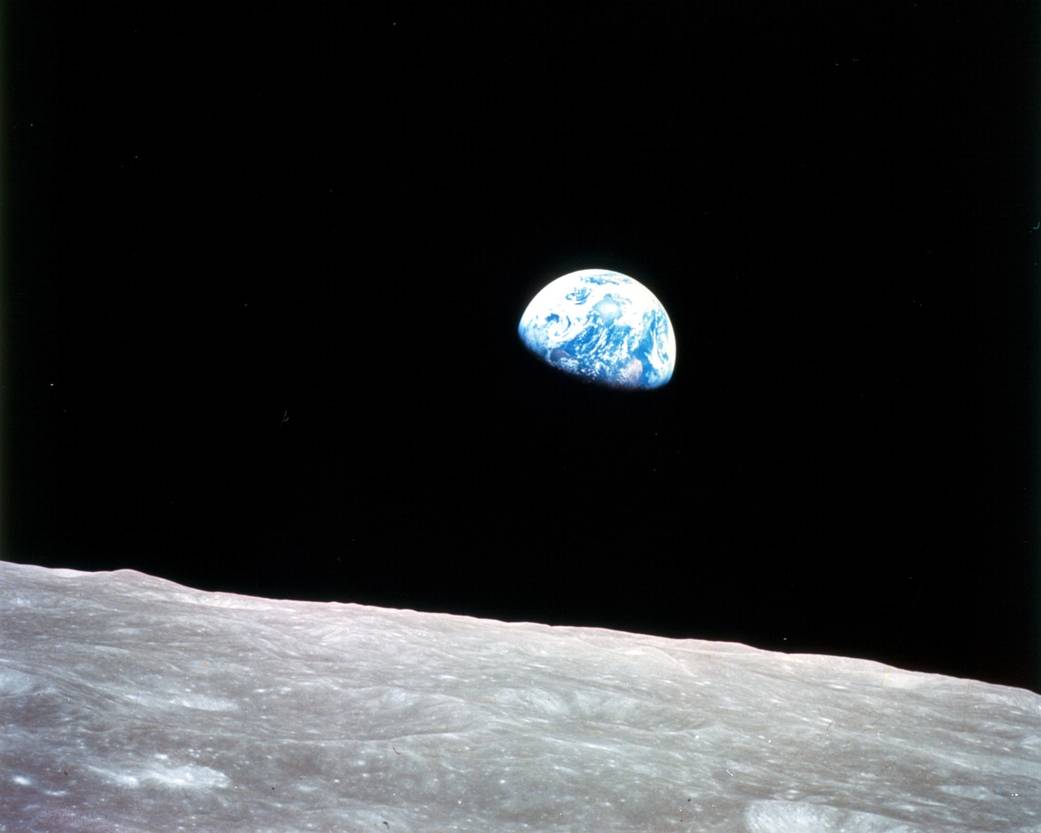
As one of “100 photographs that changed the world” and “great images of the 20th century,” Earthrise was shot on Christmas Eve, 1968, when William Anders, Frank Borman, and James Lovell aboard Apollo 8 emerged from behind the moon to behold a sight of extraordinary beauty and meaning.

If there’s one thing we can learn from Presidential election cycles, especially the strange one in 2016, it’s that people believe what they want to believe. It doesn’t matter if the beliefs are objectively true or false, as fact-checking websites demonstrate. Prejudices shape our reality and determine what we pay attention to and what we ignore. Because biases are inescapable, I constantly strive to be mindful and adjust my evaluation of evidence accordingly. That sort of self-reflection is not evident in a review of my 2013 book, Supernormal, published in 2014 in the magazine, Skeptical Inquirer.

One of the key missions at IONS is to bring awareness of and engagement within the noetic sciences to younger generations by supporting emerging scholars and explorers. As part of this effort, Chief Scientist Dean Radin recently gave a talk at the California Institute of Integral Studies (CIIS), an innovative university in San Francisco that offers accredited programs in counseling psychology, clinical psychology, consciousness, and transformation.
Julia Mossbridge, Director of IONS Innovation Lab, recently participated in Spiritual Technologies 2.0, an online summit exploring the pioneering tools that power spiritual awakening, growth, and connection. Participating innovators included Ken Wilber, Bill Harris, Mikey Siegel, Dr. Jeffrey Thompson, and many more.