inogenalliance - KN

Posts by:

Admin

Voluntary Carbon Offsets and the Journey to Net-Zero

As the push towards net-zero continues, the demand for emissions offsets is accelerating. In a collaboration with Inogen Alliance and Environment Analyst, the insight report, Integrity at stake: Voluntary carbon offsets on the journey to net-zero, was developed. The report examines the risks and opportunities of engaging with the voluntary carbon market, as well as its growth potential as demand in the market remains strong. 

Read More

Sustainability & EGS Reporting Standards - How to Compare

In the modern business world, it has become increasingly important - and relevant - for companies to communicate and disclose non-financial environmental, social, and governance (‘ESG’) information. Although many drivers for doing so (‘why’) can easily be distinguished, the ‘how’ is still ambiguous and challenging to many companies. Over the recent years, we’ve seen multiple ESG and sustainability frameworks, reporting standards, and other initiatives evolve, aimed at collecting and structuring ESG information for both internal and external use. Within this maze, we distinguish:

Read More

What is ESG Reporting and Why is it Important?

The goal of ESG reporting is to produce a public-facing document that conveys strategic objectives for a business’ ESG efforts, highlights specific topic areas and targets for future development and communicates strategies to close gaps between the current and ideal future states. If you get assigned to do a “report” what kind of feelings or memories does that bring up to you? It could bring up memories of school reports - having to research to find the right data or statistics to tell a compelling story, but having no idea where to start or what method to use. Much like that, environmental, social, and governance (ESG), or sustainability reporting, could conjure up feelings of anxiety or confusion.

Read More

2021 Global Sustainability and EHS Insights from the Industry

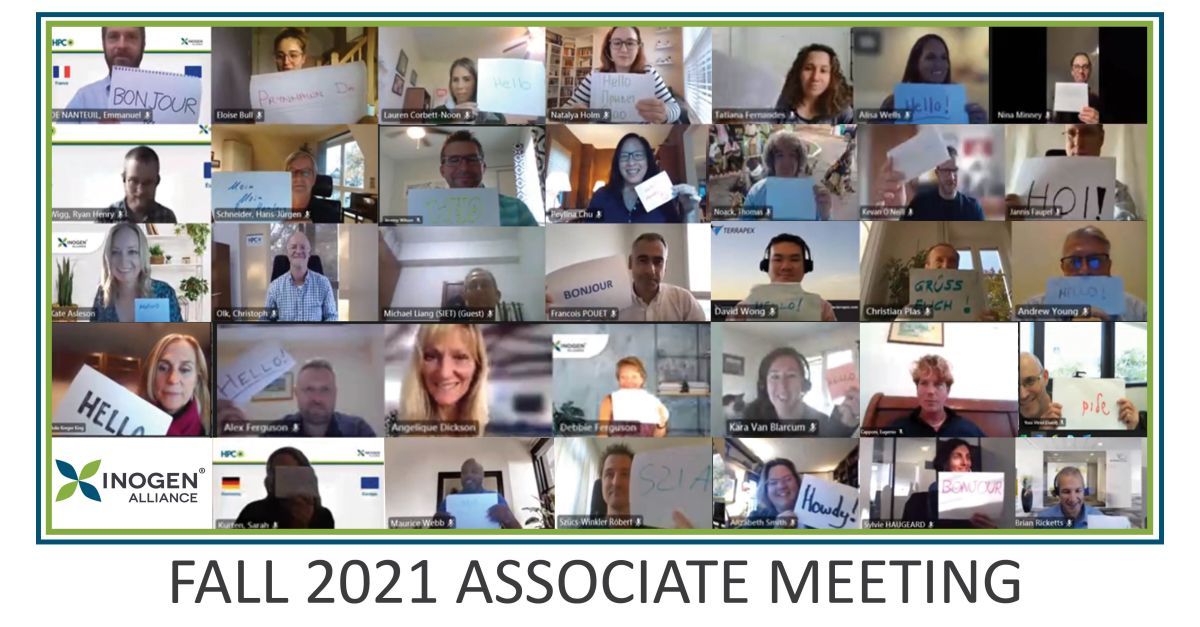
Virtual meetings have become the norm for our bi-annual Associate meetings.  We would normally travel to different locations around the world twice a year to meet in person. This new way of working has not slowed our partnerships or collaboration globally. We have seen more progress, more multinational projects and clients, and more knowledge sharing and partnership during these times. around our services of environmental, health and safety, and sustainability. EHS insights happen in any location, even online.

Read More

Using Constructed Wetlands for Groundwater Remediation

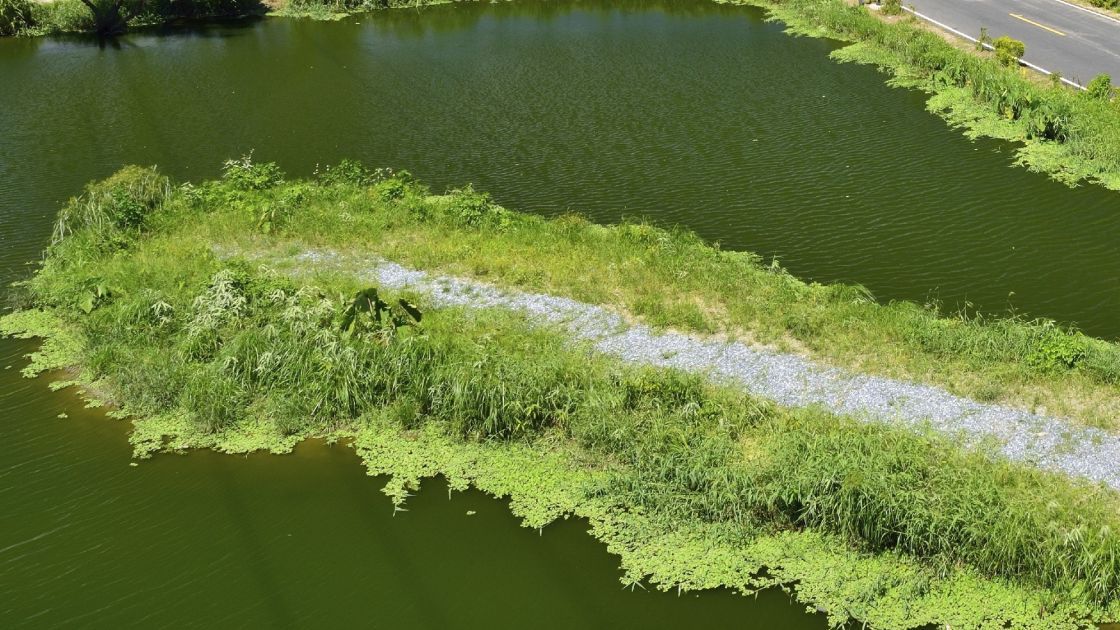
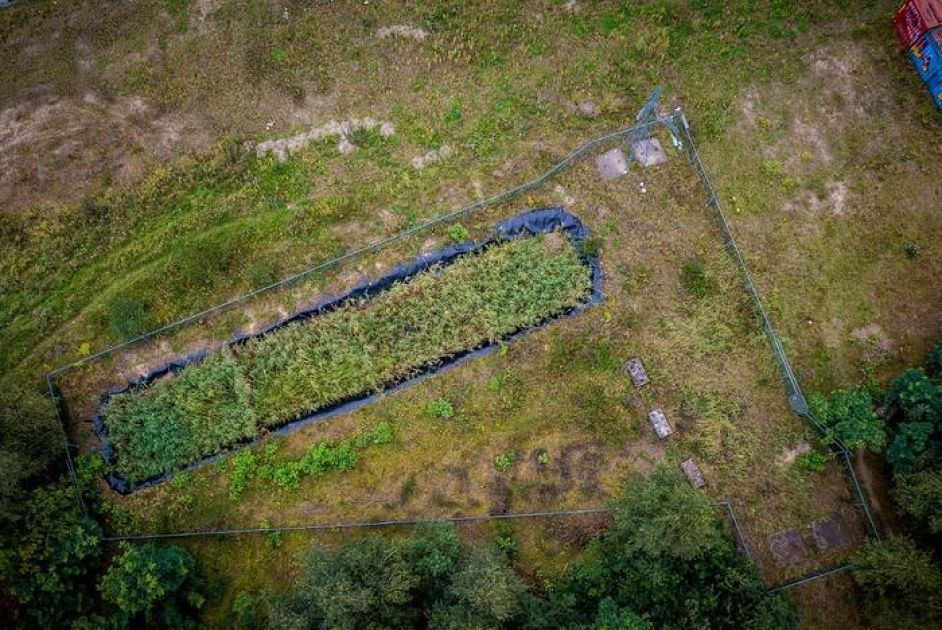
In a webinar hosted by Inogen Alliance, experts highlighted the opportunities and benefits of using constructed wetlands for groundwater remediation solutions. Paul Verhaagen, Team Manager & Project Leader with HMVT, shared insights on how they work and an overview of several case studies which show the effectiveness of constructed wetlands as a solution.

Read More

An FAQ on PFAS: Definition, Sources, Benefits and Risks

What are Per- and Polyfluoroalkyl Substances (PFAS) and why do they matter to you? If you’ve heard of them but aren’t really sure what they are, you aren’t alone. PFAS compounds have been part of commercial products and manufacturing for decades and have been increasingly linked with health and environmental risk, thus drawing increasing levels of public scrutiny and regulation. PFAS has been more regularly in the news and has been covered even by John Oliver's show recently here.

Read More

How to Use Specialized Talent On-Demand to Augment Your Workforce

Finding specialists to add to a project team can be quite challenging. Sourcing candidates, negotiating compensation, onboarding, and dealing with employee turnover are only some of the challenges when hiring employees; and these challenges only become more difficult when dealing with specialists or short-term projects.

Read More

How to Implement Renewable Energy in Your Organization

In this post, we wrote about energy audits and how a business can use improvements identified in these audits to reduce costs and cut emissions. Once such improvements have been introduced, a business may feel that there is no way to further reduce its carbon footprint – but additional opportunities exist. One of the most impactful ways for a business to reduce its carbon footprint for the energy it uses is to purchase renewable energy, either from on-site generation or from the existing utility provider. There are many possible solutions we will outline below and their applicability to different situations.

Read More