Understanding the Problem Crusoe Solves
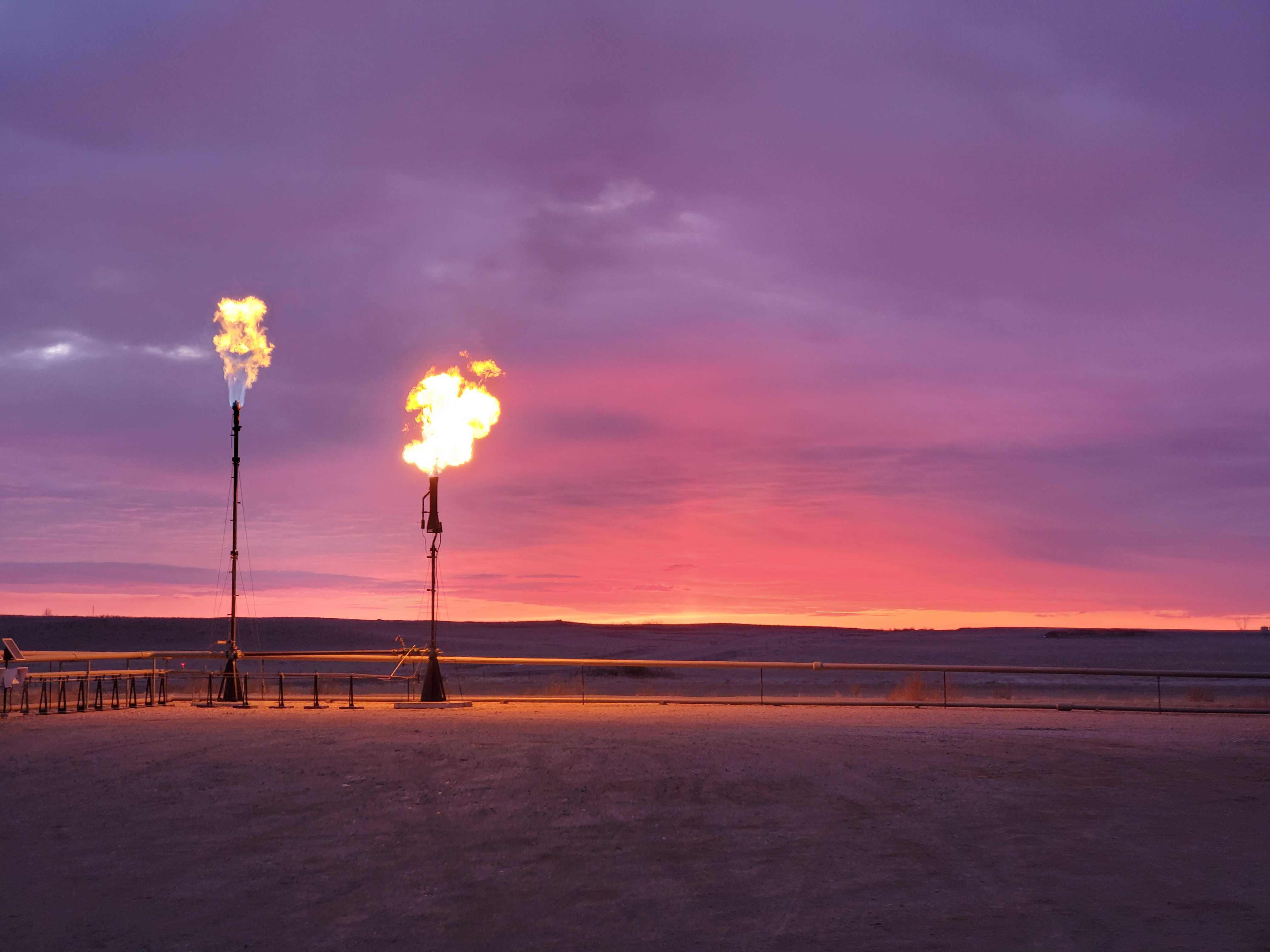
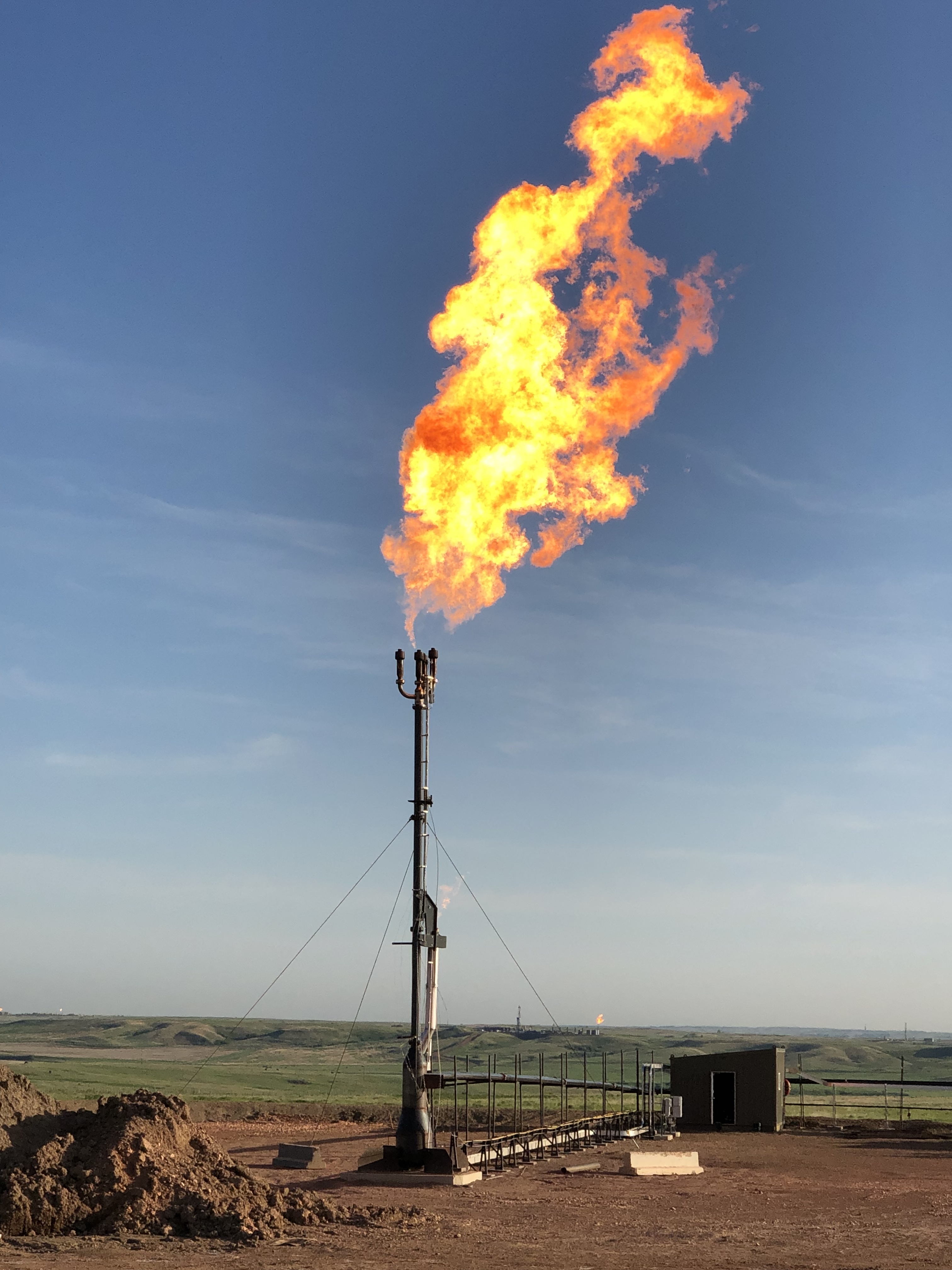
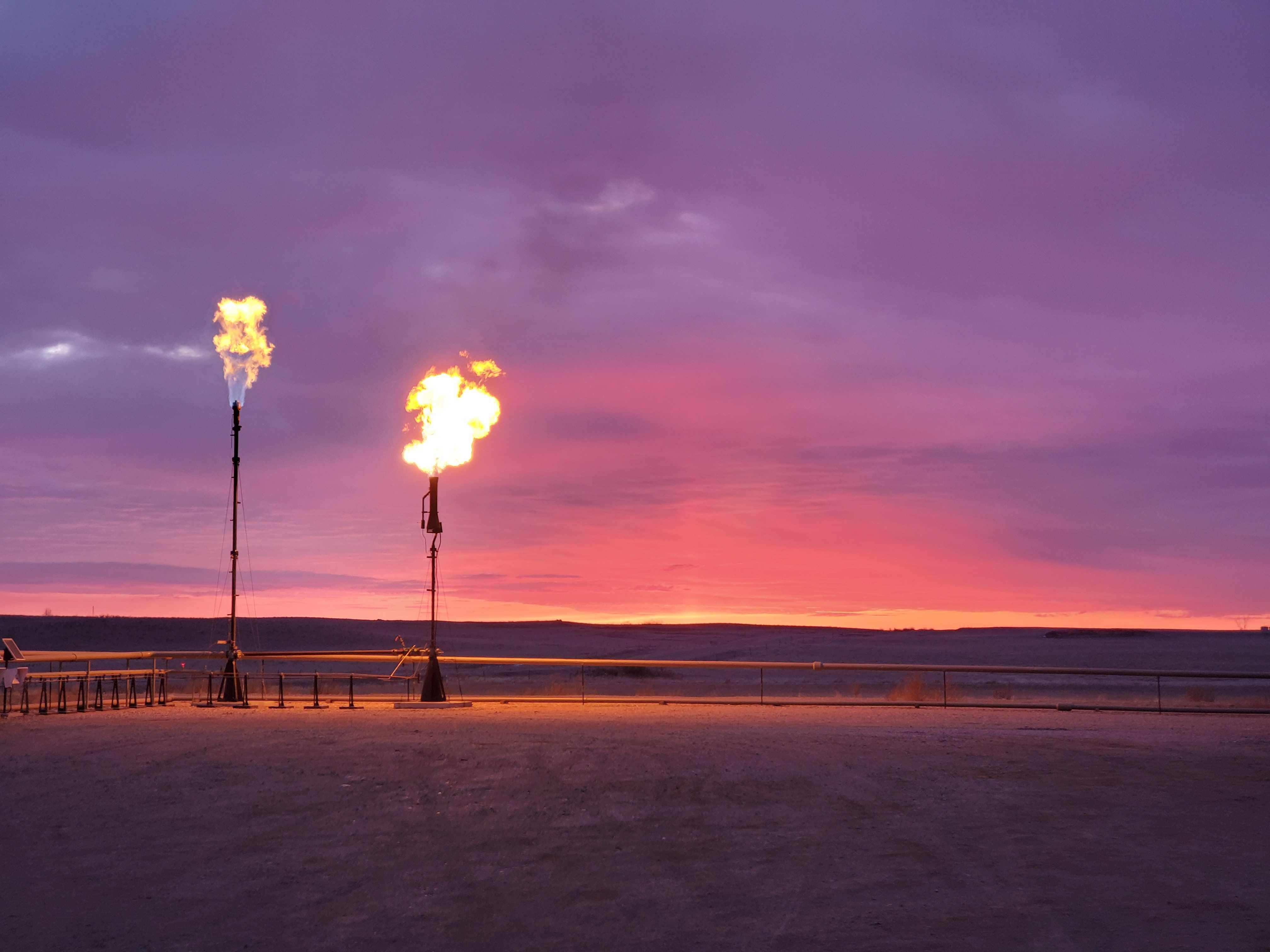
Flaring, a process through which oil and gas companies and other industrial sites get rid of and combust flammable gas that can otherwise over-pressurize their equipment, is a significant contributor to global greenhouse gas emissions (“GHGs”). For context on the scale of the problem, the International Energy Alliance summarized global flaring emissions in 2018 as follows:
“(Flaring) resulted in emissions of roughly 275 mega tons of CO2, as well as some methane emissions (from uncombusted portions of flares) and other GHGs...” (source here).
How much is 275 megatons of CO2? It’s a lot, comparable to the annual “GHGs” of Egypt 🐫.
As Chase Lochmiller, CEO of Crusoe Energy shared with us, there are more than 6,000 active flares in the U.S. alone. The gas flared off by these oil and gas sites isn’t just bad for the environment. It’s a missed opportunity. Gas that gets flared is a potential energy source that could be harnessed for productive uses instead of going to waste 💡.
Crusoe has built their business around turning flaring from an operational and regulatory risk for oil and gas companies, as well as an existential risk for our planet, into a multi-solve solution. Crusoe doesn’t just mitigate flaring emissions. They capture the gas, convert it into energy, and use it to power computing infrastructure. Here’s how Chase summarized the vision:
“Our vision is to create alignment between the future of large-scale computing infrastructure and the future of the climate. Data centers consume 5% of global power consumption, and that’s growing at an exponential rate. We view this as an existential problem; how do we maximize how much of this computing infrastructure can be climate aligned?”
The very Zoom call in which we chatted with Chase was powered by the computing infrastructure he describes. The breakthroughs that computing in general, e.g. machine learning and A.I., can and already have unlocked for humanity, as well as the day-to-day benefits for consumers, are not something we should necessarily have to curtail to reverse climate change.
That’s the crux of the Crusoe mission. Here’s another way in which Chase crystallized it for us:
“Ensuring that the benefits we’re gaining from all of this new technology development are responsibly sourced in a sustainable fashion that are going to maintain our planet as an inhabitable place 100 years from now is the primary problem that we’re trying to solve.”
Sound like a valuable endeavor to explore for 10 minutes? We certainly think so 😉. Here’s a quick forecast of where this piece is headed. Let’s get it goin’!