cgcompliance - kn

SOC 2 Certification Process at a Glance

The SOC 2 certification process is an essential framework for organizations aiming to demonstrate their commitment to data security, availability, processing integrity, confidentiality, and privacy. As businesses increasingly rely on cloud services and digital solutions, achieving SOC 2 certification has become a critical step in establishing trust with clients and stakeholders. This article delves into the intricacies of the SOC 2 certification process, highlighting its importance, the steps involved, and why it matters in today's cybersecurity landscape.

Read More

The Benefits of SOC 2 Compliance for Data Security and Client Trust

In today's digital age, protecting sensitive information and building trust with clients is more important than ever. SOC 2 compliance is one of the best ways to demonstrate a commitment to data security and client trust, offering significant advantages for businesses of all sizes. Understanding the benefits of SOC 2 compliance can help organizations improve their security posture, streamline operations, and gain a competitive edge in the marketplace. By actively prioritizing data protection, companies can foster stronger relationships with clients and partners, ultimately positioning themselves as leaders in their respective industries.

Read More

SOC 2 Certification: Step-by-Step Guide to Achieving Compliance


In today’s digital landscape, safeguarding sensitive data is more crucial than ever. Whether you're a startup or an established organization, achieving SOC 2 certification can prove your commitment to security and earn the trust of customers. In this comprehensive guide, we'll walk you through everything you need to know about SOC 2 certification—from understanding its requirements to preparing for audits and achieving compliance. By following these steps, you'll have a solid grasp of the entire SOC 2 certification process, making sure you are well-equipped for success.

Read More

SOC 2 Type 2 vs. SOC 2 Type 1: Understanding the Differences

In today’s data-driven world, ensuring that sensitive information is securely handled is paramount for organizations of all sizes. With increasing concerns over data breaches and privacy, businesses must demonstrate their commitment to safeguarding client data. One of the most widely recognized standards for achieving trust in data handling practices is SOC 2. However, understanding the difference between SOC 2 Type 1 and SOC 2 Type 2 can be challenging for those who are just getting acquainted with this world. This blog dives into the key differences, benefits, and applications of SOC 2 Type 1 and Type 2 to help you determine which certification best suits your needs.

Read More

What is SOC 2 Compliance and Why Does It Matter?

In today's digital landscape, ensuring the security, availability, and integrity of data is a top priority for organizations across all industries. One key framework that has become essential for businesses, particularly in service-based sectors, is SOC 2 compliance. But what exactly is SOC 2 compliance, and why does it matter so much? In this blog, we will explore the ins and outs of SOC 2 compliance, its importance for businesses, and how it helps ensure that customer data remains secure.

Read More

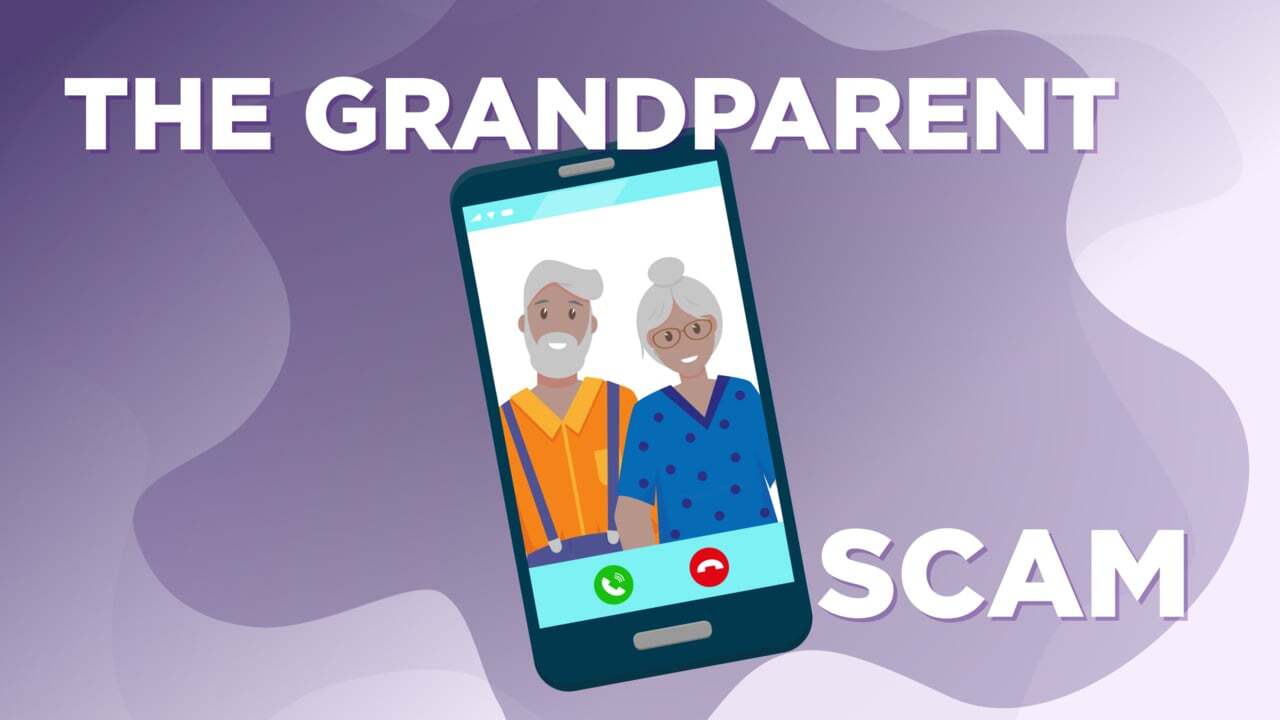
Beware of the Grandparent Scam!

The grandparent scam, also known as the "grandchild in distress" scam, is a type of fraud that preys on the emotions of older individuals. While it may not specifically be labeled as a "cybersecurity" scam, it often involves the use of technology to carry out the deception. Here's how the grandparent scam typically works:

  1. Initial Contact: Scammers often initiate contact with the victim through a phone call. They may claim to be a grandchild or someone else the grandparent cares about. In some cases, they might have obtained personal information about the family through social media or other online sources.

  2. Urgent Situation: The scammer will fabricate a story about being in some kind of trouble or emergency situation, such as being arrested, in a car accident, or facing a medical emergency. The goal is to create a sense of urgency and panic.

  3. Request for Money: After establishing the emergency scenario, the scammer will request immediate financial assistance. They might ask the grandparent to wire money, send gift cards, or provide credit card information to help them out of their supposed predicament.

  4. Emotional Manipulation: The scammer relies on the grandparent's emotions, creating a sense of urgency and fear that their grandchild is in danger. This emotional manipulation makes it more likely that the victim will act quickly without verifying the situation.

  5. Preventing Verification: To avoid detection, the scammer may insist that the grandparent not contact other family members to verify the situation. They might claim that they are embarrassed or don't want others to know about their predicament.

  6. Loss of Money: Once the grandparent sends money or provides financial information, it becomes nearly impossible to recover the funds. Scammers may disappear, change phone numbers, or use other tactics to avoid being traced.


To protect against such scams:

  • Verify the Story: Always verify the caller's identity by asking questions that only your actual grandchild would know. Contact other family members to confirm the situation.

  • Never Send Money Without Verification: Be skeptical of urgent requests for money and never send money without independently verifying the emergency.

  • Report Suspicious Activity: If you suspect a scam, report it to local law enforcement and relevant authorities. They can provide guidance on how to proceed.

  • Educate Seniors: Inform older family members about common scams and encourage them to be cautious about unsolicited calls or messages requesting money.

Remember that scammers constantly adapt their tactics, so it's essential to stay informed and vigilant to protect against various types of scams, including those targeting vulnerable populations like grandparents.


Read More