cgcompliance - kn

Posts about:

Audits and Assessments

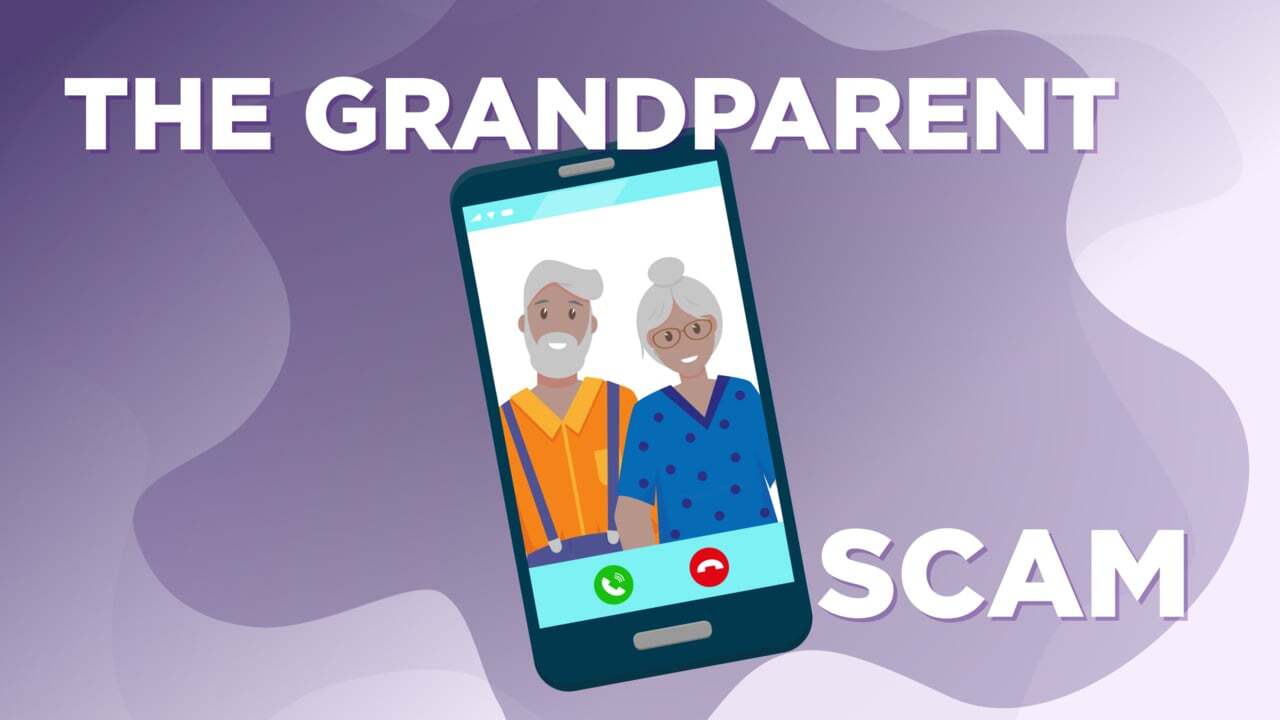
Beware of the Grandparent Scam!

The grandparent scam, also known as the "grandchild in distress" scam, is a type of fraud that preys on the emotions of older individuals. While it may not specifically be labeled as a "cybersecurity" scam, it often involves the use of technology to carry out the deception. Here's how the grandparent scam typically works:

  1. Initial Contact: Scammers often initiate contact with the victim through a phone call. They may claim to be a grandchild or someone else the grandparent cares about. In some cases, they might have obtained personal information about the family through social media or other online sources.

  2. Urgent Situation: The scammer will fabricate a story about being in some kind of trouble or emergency situation, such as being arrested, in a car accident, or facing a medical emergency. The goal is to create a sense of urgency and panic.

  3. Request for Money: After establishing the emergency scenario, the scammer will request immediate financial assistance. They might ask the grandparent to wire money, send gift cards, or provide credit card information to help them out of their supposed predicament.

  4. Emotional Manipulation: The scammer relies on the grandparent's emotions, creating a sense of urgency and fear that their grandchild is in danger. This emotional manipulation makes it more likely that the victim will act quickly without verifying the situation.

  5. Preventing Verification: To avoid detection, the scammer may insist that the grandparent not contact other family members to verify the situation. They might claim that they are embarrassed or don't want others to know about their predicament.

  6. Loss of Money: Once the grandparent sends money or provides financial information, it becomes nearly impossible to recover the funds. Scammers may disappear, change phone numbers, or use other tactics to avoid being traced.


To protect against such scams:

  • Verify the Story: Always verify the caller's identity by asking questions that only your actual grandchild would know. Contact other family members to confirm the situation.

  • Never Send Money Without Verification: Be skeptical of urgent requests for money and never send money without independently verifying the emergency.

  • Report Suspicious Activity: If you suspect a scam, report it to local law enforcement and relevant authorities. They can provide guidance on how to proceed.

  • Educate Seniors: Inform older family members about common scams and encourage them to be cautious about unsolicited calls or messages requesting money.

Remember that scammers constantly adapt their tactics, so it's essential to stay informed and vigilant to protect against various types of scams, including those targeting vulnerable populations like grandparents.


Read More

Gift Card Scams Make for Unhappy Holidays!

During the holidays, several cybersecurity topics become particularly relevant due to the increased online activity and potential risks. Digital gift card scams are one of these topics and unfortunately common during the holiday season, as scammers take advantage of people's generosity and the increased use of gift cards as presents. Here are some digital gift card scams to be aware of:

Read More

Online Shopping Safety Tips for the Holidays

As the Holidays approach, there is an increasing popularity of finishing gift shopping for friends and family via the convenience of online shopping. And now with so many vendors offering the convenience of affordable shipping, the demand for online shopping has risen even more! Cybercriminals often take advantage of events and holidays to exploit vulnerabilities. During the holiday season,  as online shopping continues to grow in popularity, cybersecurity awareness is crucial to protect individuals and organizations from various online threats. Here are some online shopping safety tips for maintaining cybersecurity awareness during online shopping:

Read More

9 Questions You Need to Ask About a SOC 2 Report

A SOC 2 report is becoming a necessity for companies that handle customer data for others. Organizations have more flexibility in how a SOC 2 report is prepared than they do with some IT compliance audits. From choosing what is audited to who does the auditing, you control much of the process for a SOC 2 report. Such discretion provides opportunities for effectiveness, but it also presents challenging decisions.

Read More

What is SOC 2?

Protecting against data breaches and maintaining compliance require constant vigilance and consistent analysis.

A SOC 2 report can help your organization protect and comply by confirming that you handle customer data properly. Aimed at companies that store sensitive information for other organizations, SOC 2 reports detail the controls of the systems used to process data and the security and privacy of that data.

Read More

Demand for Cloud Solutions Increases Amidst COVID-19

If there's one constant throughout the coronavirus pandemic, it's a universal feeling of uncertainty. Internet services like cloud storage have become essential for many companies, but this raises some questions as well. As quarantine continues, how will it affect cloud solutions and home networks?

Few people called the reliability of the cloud into question before the pandemic. The unprecedented surge in internet use brought on by quarantine may cause some to doubt the resilience of these systems. Networks and data centers haven't seen a test of strength like this before.

The internet is essential to carrying businesses through this time of remote work. Will all the new stress affect things like network strength and cloud solutions?

Read More

How Data Management Tools Reduce Supply Chain Risk

The supply chain is the backbone of many industries. A disruption at any point in the logistics process can send a ripple effect throughout the business, leading to lost profits and even lost customers. Supply chain risk mitigation is essential, and an often-overlooked aspect of this process is using data management tools.
Almost two-thirds of businesses don't use technology to monitor their logistics performance. This figure means that at least two-thirds of supply chains are likely not managing risk as effectively as they could. Using available technology to manage their data, companies can significantly reduce supply chain risks.

Read More