Difference Between Vendors and 3rd Party Service Providers
Recently, we received a question from one of our Tandem Vendor Management software users.
Posts about:

Recently, we received a question from one of our Tandem Vendor Management software users.

There have been several health pandemic breakouts in recent history. Some of the more notable ones include the SARS outbreak which made world news in 2002, the Ebola outbreak of 2019, and more recently, the coronavirus, also known as COVID-19, which is making world news in 2020. When outbreaks like these occur, banks, credit unions, and other critical consumer service businesses should ensure their biological pandemic plans are reviewed, updated, and tested. In this article, we will walk through four questions to ask as you evaluate and update your pandemic plan.

The introduction and rise of the coronavirus, also known as COVID-19, has caused many to ask, "Are we prepared for a pandemic?" For financial institutions, pandemic planning has been part of the business continuity management process since its introduction in the 2008 version of the FFIEC's Business Continuity Planning booklet. But what about your vendors? Are they as prepared as you are? This article will help you know which vendors need to be prepared for a pandemic, as well as what steps you can take to ensure they are ready.

One of the early stages of effective vendor management is performing a vendor risk assessment. This article will help you skip past the complex terminology and get you right into understanding what a vendor risk assessment is and how you can perform one in three simple steps.

The overall success of an organization can be linked closely to the security, stability, and quality of their third parties. Therefore, vendor management is a critical part of an organization's business strategy and many companies are turning to third-party risk management software to help evaluate, monitor, and manage their vendors.

In its simplest form, vendor management is the process of overseeing third-party service providers who work for your organization, from beginning to end. This process can take many forms, but is most often composed of these five elements:

What is the vendor management definition of due diligence? It's certainly a pillar of vendor relationship management. If you are going to outsource, from bits of processes to entire services, due diligence is the practice that allows you to see trouble coming. You gather vendor due diligence documents when soliciting vendors to make sure you don't get yourself into a bad situation. You gather due diligence documents throughout the vendor contract to ensure the vendor is meeting their obligations and services are provided as expected.

If you are a vendor manager at a bank or credit union, you may be familiar with checking OFAC, but have you ever paused to ask why? Who exactly is "OFAC?" Is checking vendors a best practice or is it a regulatory requirement? How frequently should you check your vendors?
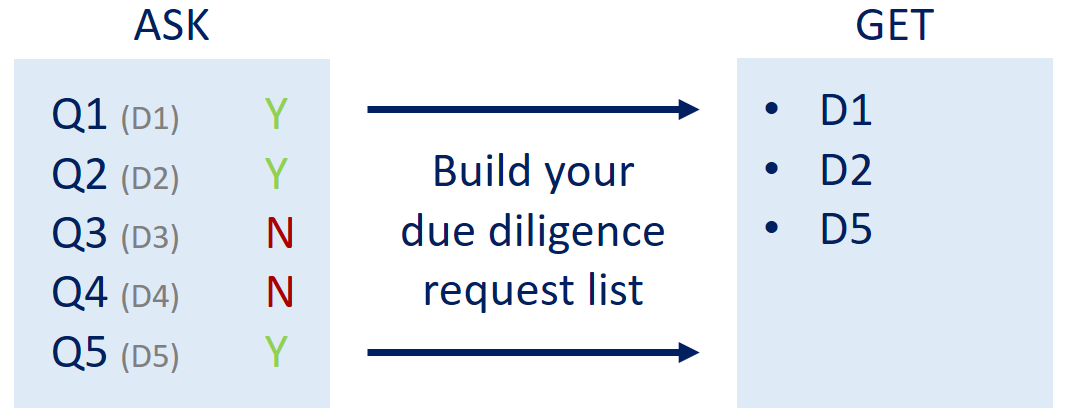
How do you know what due diligence documents to gather from each of your vendors? There are many methods available, but some result in more accurate documentation than others. Today, I'm going to review two of the primary methods and discuss the effectiveness of each method.
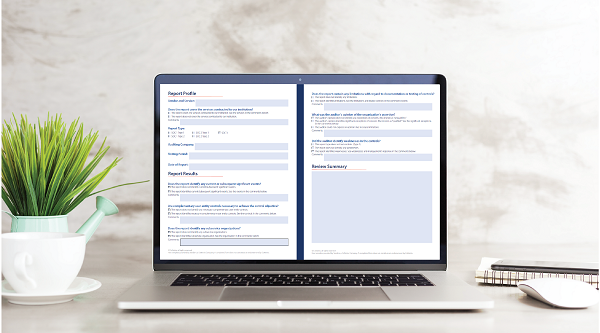
Ideally, reviewing a SOC Report will take you 15 minutes or less (once you get the hang of it). If you are a financial institution and you have vendors, then you have plenty of SOC Reports to review every year.