Announcing the Spotlight Talk and Poster Session Presenters
With the IONS 18th International Conference fast approaching, we are elated to announce this year’s Spotlight Talk and Poster Session presenters.
With the IONS 18th International Conference fast approaching, we are elated to announce this year’s Spotlight Talk and Poster Session presenters.

“I read too much science fiction as a kid,” Dean Radin tells Julie Motz of KWMR FM Radio’s Hot Tech, Cool Science when asked how he got involved in noetic sciences. “It is comparable to someone reading Harry Potter books today. I was most curious about what is possible in order for magic to exist.”

According to the website Lifewire, in 2019 Wikipedia was ranked the fifth most-popular website in the world. The article stated that “more people use Wikipedia worldwide than any other knowledge-based resource on the web.” Most other website-ranking sites list Wikipedia among the top 10 most-visited sites in the world. Wikipedia is even included in Microsoft Office as an add-in information resource.

My mom was the kind of mom who wanted her kids to write “thank-you” notes. She adhered to a strict rule about gifts: Before you enjoy the gift, you must take a few moments to write a note of thanks.

Originally published in DVD format, Living Deeply: Transformative Practices from the Word’s Wisdom Traditions has been out of print for several years. We are delighted to announce that the nine experiential practices guided by master teachers are now available as an online video course.

IONS is committed to supporting the next generation of noetic scholars, thought leaders, entrepreneurs, and practitioners in their professional lives. The IONS NextGen program weaves together direct experiential practices, scientific discovery, and community engagement to support emerging noetic explorers to thrive.
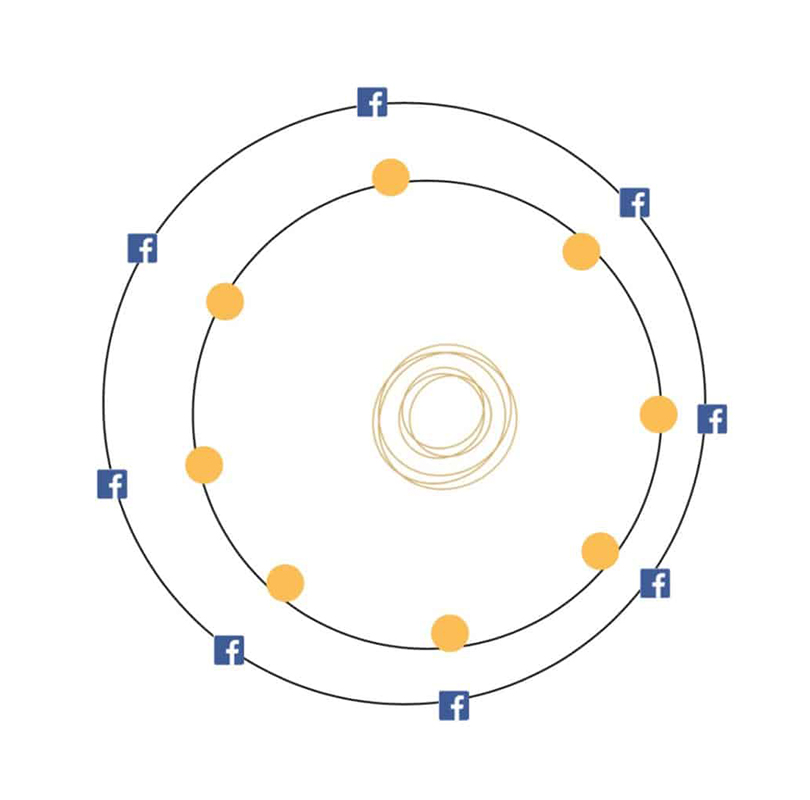
As the saying goes, there is a strength in numbers, which is true with meditation as well. There have been several studies on the effects of collective coherence on technical instruments such as random number generators (RNGs), including long-term meditators having a higher probability of increasing effect size. There are even studies of group meditators affecting crime rates. At the very least, it’s nice to just sit and “be” in community with heartfelt intention.
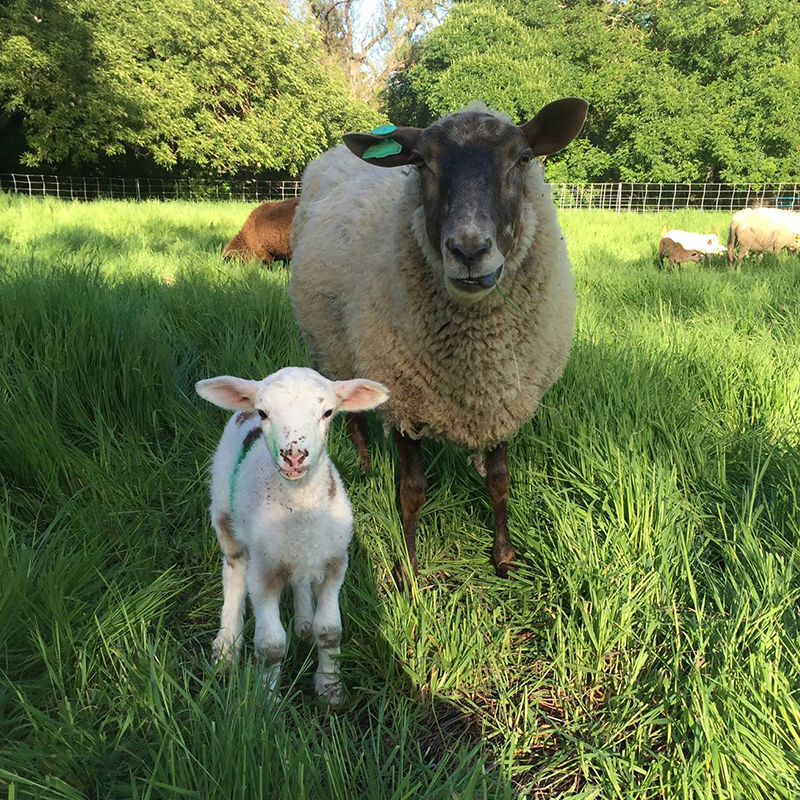
“Come Sheep!” Aaron Gilliam of SweetGrass Grazing calls out to alert his flock of nearly 200 sheep to follow his lead around the south hillside of the IONS Discovery Lab. Four years ago, IONS invited SweetGrass to graze sheep at EarthRise with the intention of encouraging biodiversity in our grasslands and managing the fuel load for fire safety. By bringing the sheep to graze year after year, we are promoting the participatory ecology that considers the life cycles of the plants and animals. The wildflowers are popping, the butterflies and songbirds are flying about, and the perennial grasses will only continue to replace the invasive species introduced by European settlers. The flourishing that is appearing due to these actions of ethical land care are evidence that the sheep are promoting a diverse and resilient habitat, increasing water retention, building healthy soil, and connecting community with nature.
The IONS Conference has spanned over 30 years, featured over 700 world-renowned speakers, and gathered over 15,000 people. A conference that has inspired, ignited, and showcased new scientific discoveries and technologies. A gathering unlike any other where you can discuss cutting-edge ideas about consciousness, transformation, technology, extraordinary human capacities, and mind-body healing.
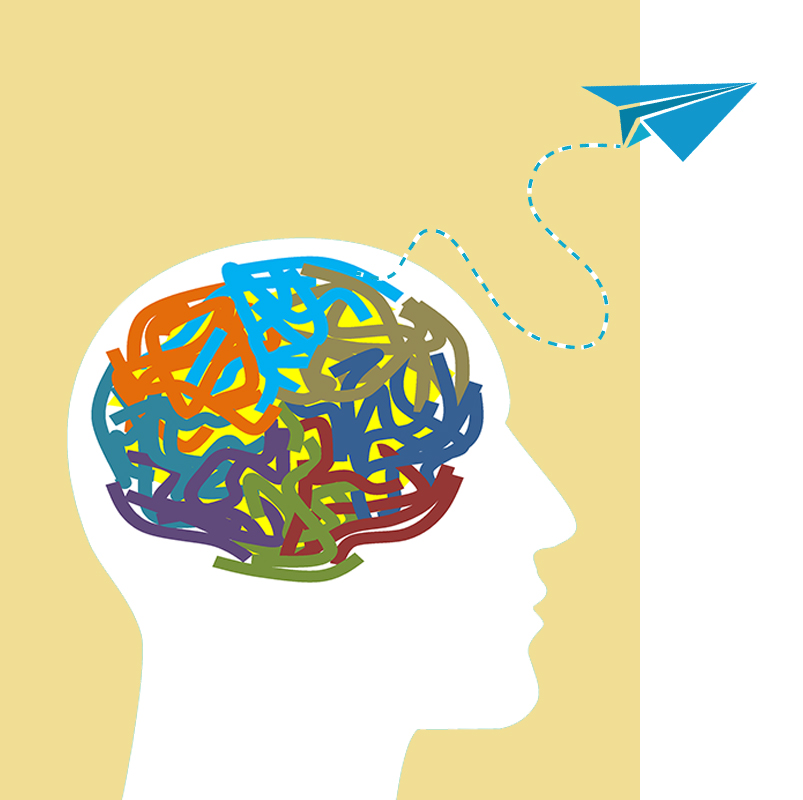
One of the most common experiences that people encounter during the practice of meditation is the tendency for the mind to wander. It can be especially noticeable when we meditate with an object of meditative focus (i.e. the breath or a mantra) and our mind drifts to the ongoing thoughts and ideas that surface. Mind wandering goes by many names including daydreaming or spontaneous thought, and generally occurs when the demands on our attention are quite low, such as during the practice of meditation, reading, or driving. IONS scientist Dr. Arnaud Delorme and Dr. Tracy Brandmeyer explored the nature of the wandering mind during meditation in their recent publication, When the Meditating Mind Wanders, and what happens when the wandering mind goes rogue.