Arnaud Delorme Named a "Key Innovator" by TransTech
IONS researcher Arnaud Delorme is in good company on this year's TransTech 200 — in fact, a happy alphabetical correlation puts him right next to Apple!
Posts by:

IONS researcher Arnaud Delorme is in good company on this year's TransTech 200 — in fact, a happy alphabetical correlation puts him right next to Apple!

Curious about meditation research? Ever wonder how you can become a meditation researcher? In this video Dr. Helané Wahbeh talks about her experience as just that! She also describes the historical arc of the field, where it has been, where it is now, and where it is going– particularly the areas of meditation research that are wide open and waiting for new researchers to study.
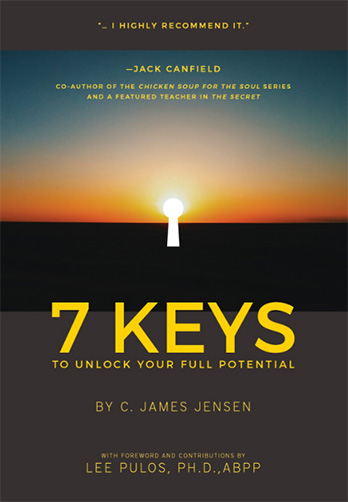
We are grateful at IONS to have a spectacular Board of Directors who help guide the Institute in fulfilling its mission and in affecting personal and collective transformation. Made up of approximately 17 talented and accomplished individuals, each board member has a rich professional and personal life, and express their passions to positively impact the world in a variety of ways. In this post, we’d like to highlight one of our Board Members, James Jensen, and his book 7 Keys to Unlock your Full Potential. The following gives a flavor of what you can expect in his new book, touted as “a tool kit to improving performance in every area of your life.” Enjoy!

This blog is the 4th installment of a series entitled “Do Your Focus Tools Work?” which can be found on the focus@will website. This installment has been posted here with permission of the author.

A new article and book by Institute of Noetic Sciences scientists and their colleagues are shifting the field of mental health care to recognize the vital importance of spiritual experiences, beliefs and practices in psychological well-being.

If you’re like most people, your life is complex and sometimes challenging. It’s easy to feel the stresses that come with our busy days and diverse demands on our time and attention, mass distraction that pull us off our soul’s inner compass often bombard us.

College is a crucial transformative time in one’s life. It’s an incubation period for personal, social, and professional growth. Perspectives are shifted and new patterns of thinking and being emerge. One major quest is to determine what to do with the rest of your life; to figure out how are you choosing to make your mark in the world and the impact you will have.
War is complicated, but peace doesn’t have to be.
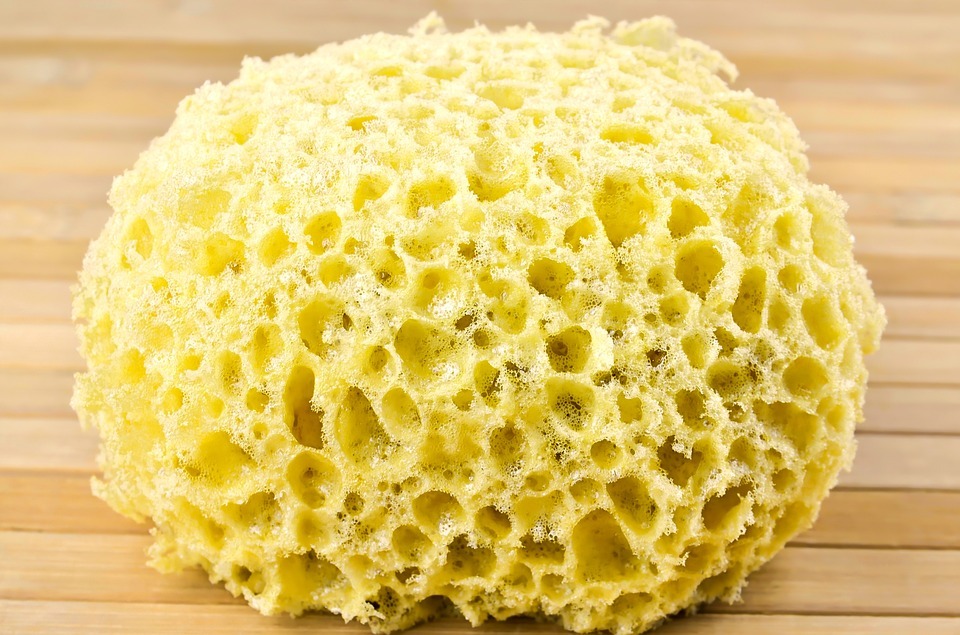
Did you know that humans and sponges share a similar range of genes (Srivastava et al., 2010)? There is also a remarkable similarity in the sequences of the genes. How is it that there is such a big difference between humans and sponges when humans are so much more complex? Recent research shows that genes themselves are not the source of our complexity; rather it is in the regulation of gene expression that the difference lies.
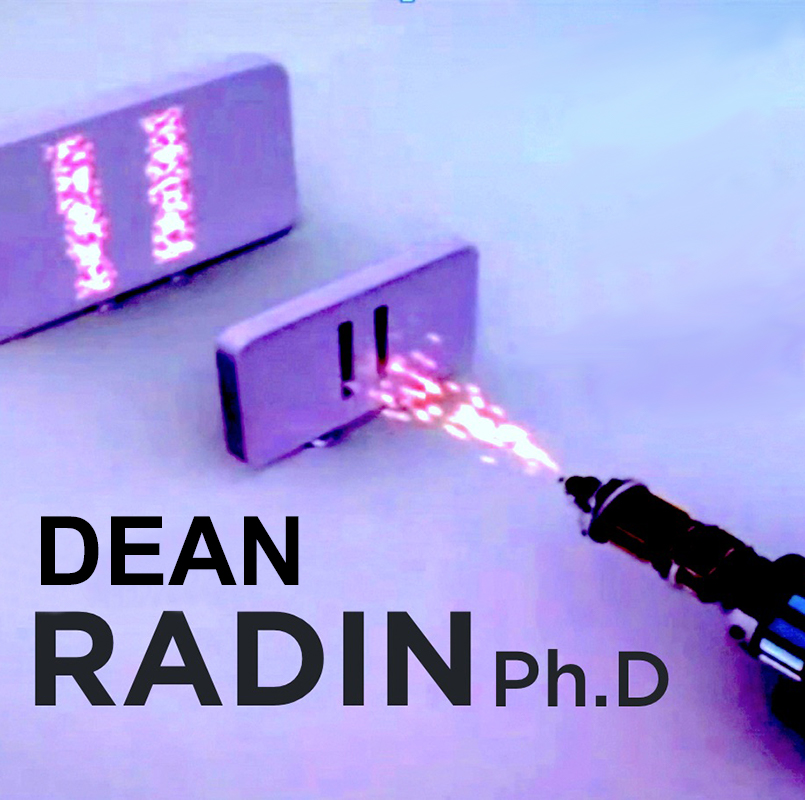
Since it began in 1994, the Science of Consciousness conference in Tucson AZ, has become the world’s largest consciousness-focused conference. Founded by philosopher David Chalmers and anesthesiologist Stuart Hameroff, its popularity and prestige reflects the growing academic recognition of the mystery presented by the conscious mind. Among the diverse views of its attendees and speakers, there is a decidedly growing openness toward deeper views of the mind. For many, including its founders, the question of consciousness may even penetrate to the heart of our scientific ontology. In recent years, scientists exploring the controversial terrain of psychic anomalies, like precognition and mind-matter interaction, have become a growing part of the discussion. This year IONS chief scientist Dean Radin gave a fascinating talk detailing the surprising findings of his prize-winning experiments exploring the relationship between mind and the quantum world. This one’s not to be missed.