Posts about:
Energy

R&D Innovation in 2025
Digital Transformation,
Energy,
Life Sciences,
Materials Science,
Technology,
Training,
Transformation
Read More

What to Look for in a Technology Partner for R&D
Digital Transformation, Energy, Life Sciences, Materials Science, Technology, Training, Transformation
3 Trends for Scientists To Watch in 2023
Dec 19, 2022|
Energy,
Life Sciences,
Materials Science,
Transformation
Read More
As a company that delivers Digital Transformation for Science, part of our job at Enthought is to understand the trends that will affect how our clients do their science. Below are three trends that caught our attention in 2022 that we predict will take center stage in 2023.
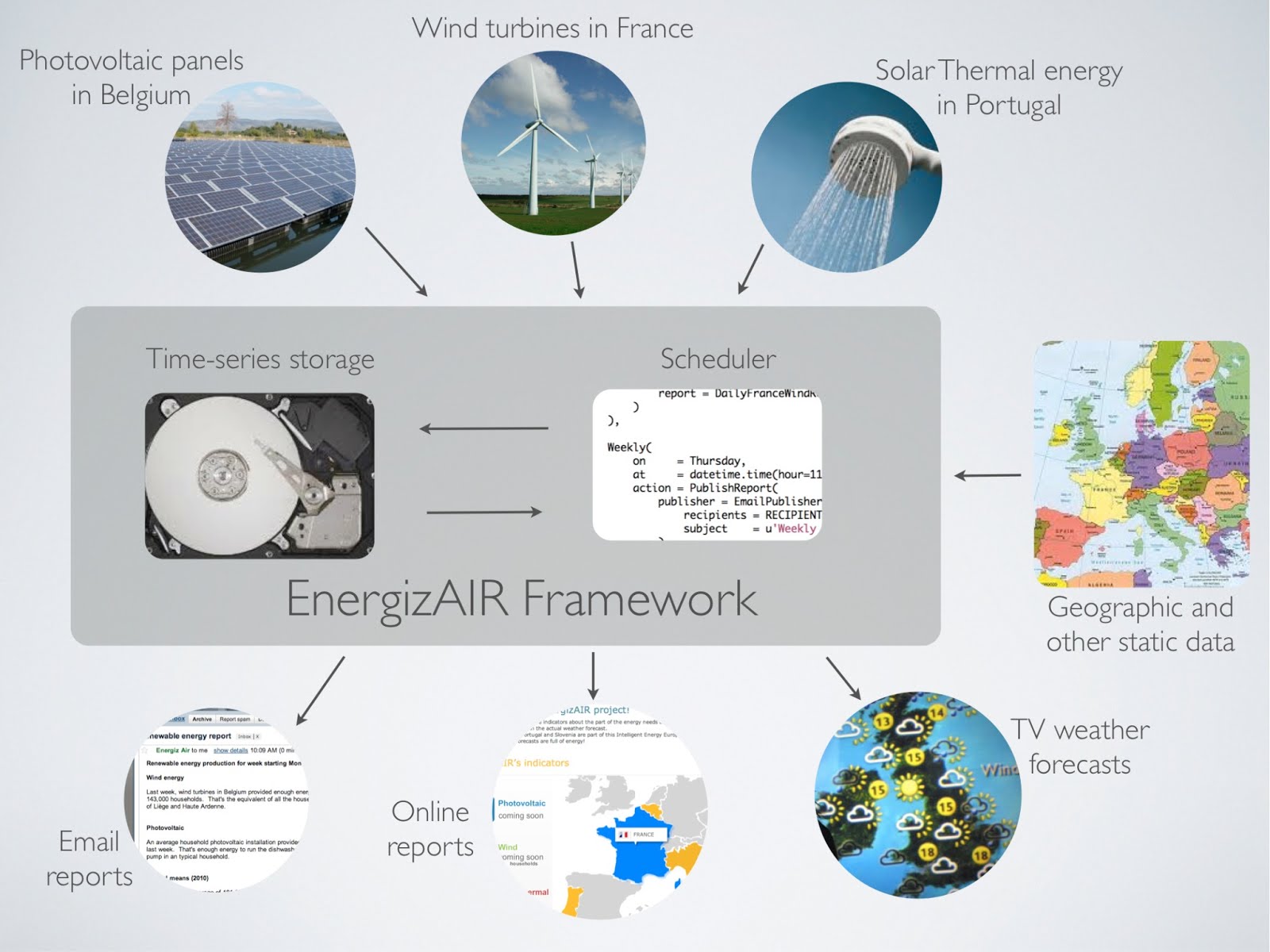
Giving Visibility to Renewable Energy
The ultimate project goal of EnergizAIR Infrastructure was to raise individual awareness of the contribution of renewable energy sources, and ultimately change behaviors. Now ten years later, with orders of magnitude more data, AI/machine learning, cloud, and smartphones in the hands of individuals, this is an idea whose time has come.

AI Needs the ‘Applied Sciences’ Treatment
As industries rapidly advance in AI/machine learning, a key to unlocking the power of these approaches for companies is an enabling environment. Domain experts need to be able to use artificial intelligence on data relevant to their work, but they should not have to know computer or data science techniques to solve their problems. An environment which enables the domain expert to easily and intuitively label data and train models will allow AI to become truly ‘applied.’ The above image shows a series of fault planes predicted by our approach in the SubsurfaceAI Seismic application, created with ‘applied machine learning’ in mind. Learn More.

Lessons for Geoscientists from the book Real World AI: A Practical Guide for Responsible Machine Learning
In this blog article Enthought Energy Solutions Vice President Mason Dykstra looks at the recently published book titled “Real World AI: A Practical Guide for Responsible Machine Learning” in the context of both the technical challenges faced by geoscientists and how to scale.

FORGE-ing Ahead: Charting the Future of Geothermal Energy
A microseismic event loaded from the Frontier Observatory for Research in Geothermal Energy (FORGE) distributed acoustic sensing (DAS) data into a Jupyter notebook showing energy from a microseismic event arriving at about 7.5 seconds. These microseisms bring information about the process of stimulation. However, in the data set there are relatively few and they are hard to find without specialized processing. Connecting hard-to-get SEG-Y data to easy-to-develop Jupyter notebooks promises to drive innovation in new AI/ML methods for detecting more microseisms and therefore, increasing the value of the existing data.
Geophysics in the Cloud Competition
Join the 2021 GSH Geophysics in the cloud competition. Build a novel seismic inversion app and access all the data on demand with serverless cloud storage. Example notebooks show how to access this data and use AWS SageMaker to build your ML models. With prizes.
SEG 2020 Attendees Asked. We Answered.
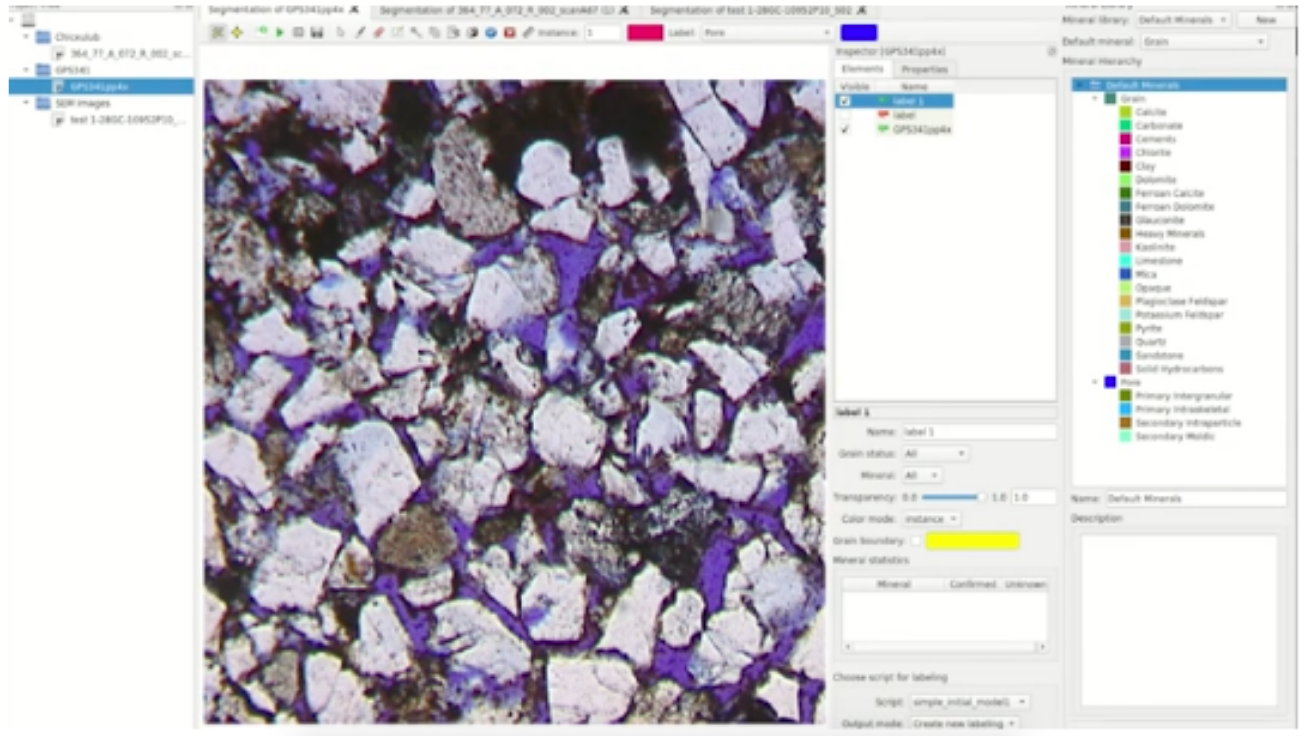
In an example away from seismic, this shows a thin section, where machine learning techniques can be applied across multiple images, ones previously unused due to the significant demands of expert time, and difficulties in organizing and sharing data. See a demo at: https://www.enthought.com/industries/oil-and-gas/core-analysis/