champion - kn

TIMBER FRAME CONSTRUCTION – A BURNING ISSUE

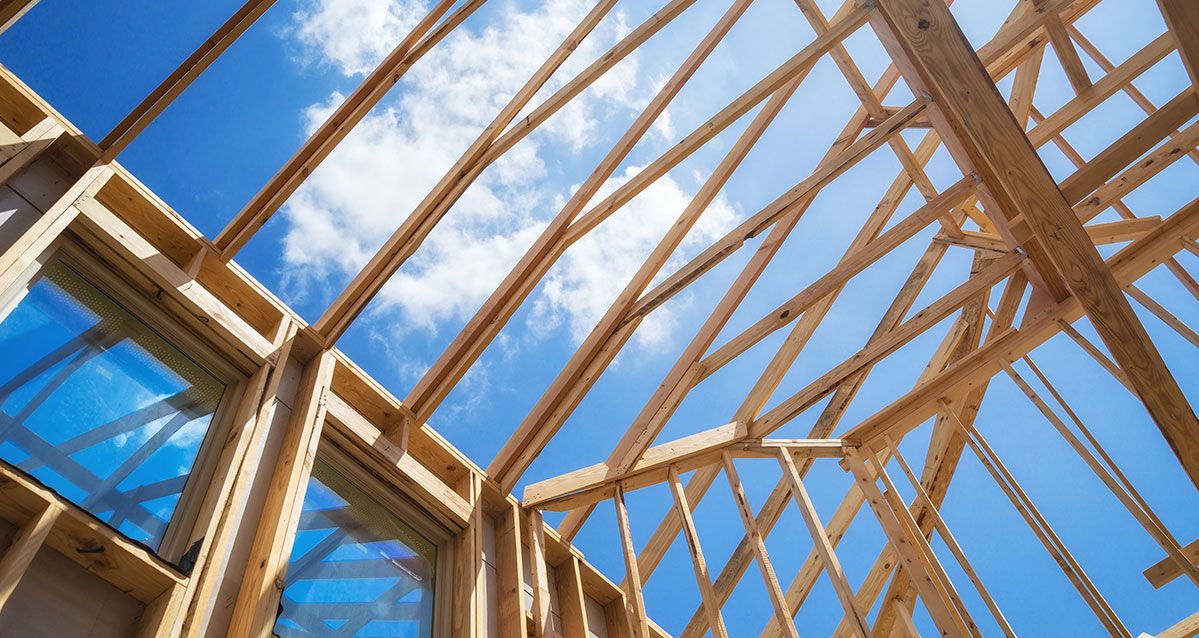
According to the Structural Timber Association (STA) 18% of new homes are now constructed using timber frame as home builders and developers seek cheaper, quicker and more sustainable methods of construction. Cross Laminated Timber (CLT), an engineered form of timber, is also increasingly becoming a viable alternative building material to concrete, brick or steel, even in some cases for high rise buildings.

Read More

ARE YOU COMPLIANT WITH YOUR “CONTRACTORS ALL RISKS” POLICY?

Theft of plant and constructional equipment is on the rise in the UK. According to Allianz, one of the leading construction insurers in the UK, plant theft costs the UK construction industry over £800m a year.

As an owner of plant and machinery it is crucial that any clauses and conditions in your Contractors All Risks or Plant Insurance policy are read, understood, and most importantly complied with.

Because plant and constructional equipment is so vulnerable to theft, many insurance policies will include a condition or “warranty” (which is insurance language for a promise to do something) that requires specific security measures to be in place at the time a theft occurs, before insurers will agree to pay out on a claim. This is most commonly known as a “Plant Security Warranty” but similar conditions can appear using different terminology.

Examples of specific security measures set out in a Plant Security Warranty can include, but are not limited to, plant items being stored in a secure compound, machine attachments being stored within a locked building or container and so on.

Plant Security Warranties are often overlooked by policyholders or not explained properly to the policyholder by the broker, which can result in non-compliance with the policy and ultimately claims then being rejected by the insurer. Mistakes such as these can prove very costly especially if a large expensive item of plant is stolen.

As specialist insurance brokers to the construction industry Construction Risks UK are able to advise on the most appropriate policy to protect your Plant and Equipment and will take the time to explain the various policy terms and conditions to ensure that you remain fully compliant and your claims are paid.
Read More

RIP AND TEAR EXCLUSIONS EXPLAINED

In certain construction trades, the cost of correcting defective work can be extremely expensive. For example, a concrete flooring company who has poured defective concrete would be faced with a huge bill if the concrete had set and needed to be dug out and replaced. The costs could be even higher if the concrete had been built upon and building work had be demolished.

Read More

TACKLING SHORT TERM ABSENCE

Many organisations now collect absence statistics but few combine them with other data sets to explore trends and issues with a view to reducing absence. This not only limits outcomes but also helps ensure that people issues rarely make it to their rightful place – namely strategic board level. In this article, we take a look at the benefits of taking a much more integrated approach across your organisation’s risk and human resources functions to tackle absence and, moreover, help turn business strategy into results through your people.

Read More

YOUR BUSINESS IN THE BEST LIGHT

When seeking insurance for your construction industry business, whether at renewal or for the first time, there are a number of factors to consider and pitfalls to avoid:


Read More

CARBON MONOXIDE POISONING

A building company and its director have been fined for breaching Gas Safety law after putting a childminder and children in her care at risk of carbon monoxide poisoning.

Read More