Managing downstream risk: Best practice for subcontractor insurance oversight
By Martin Thornes ACII, Broking Manager, Champion Insurance Group
Posts about:

By Martin Thornes ACII, Broking Manager, Champion Insurance Group

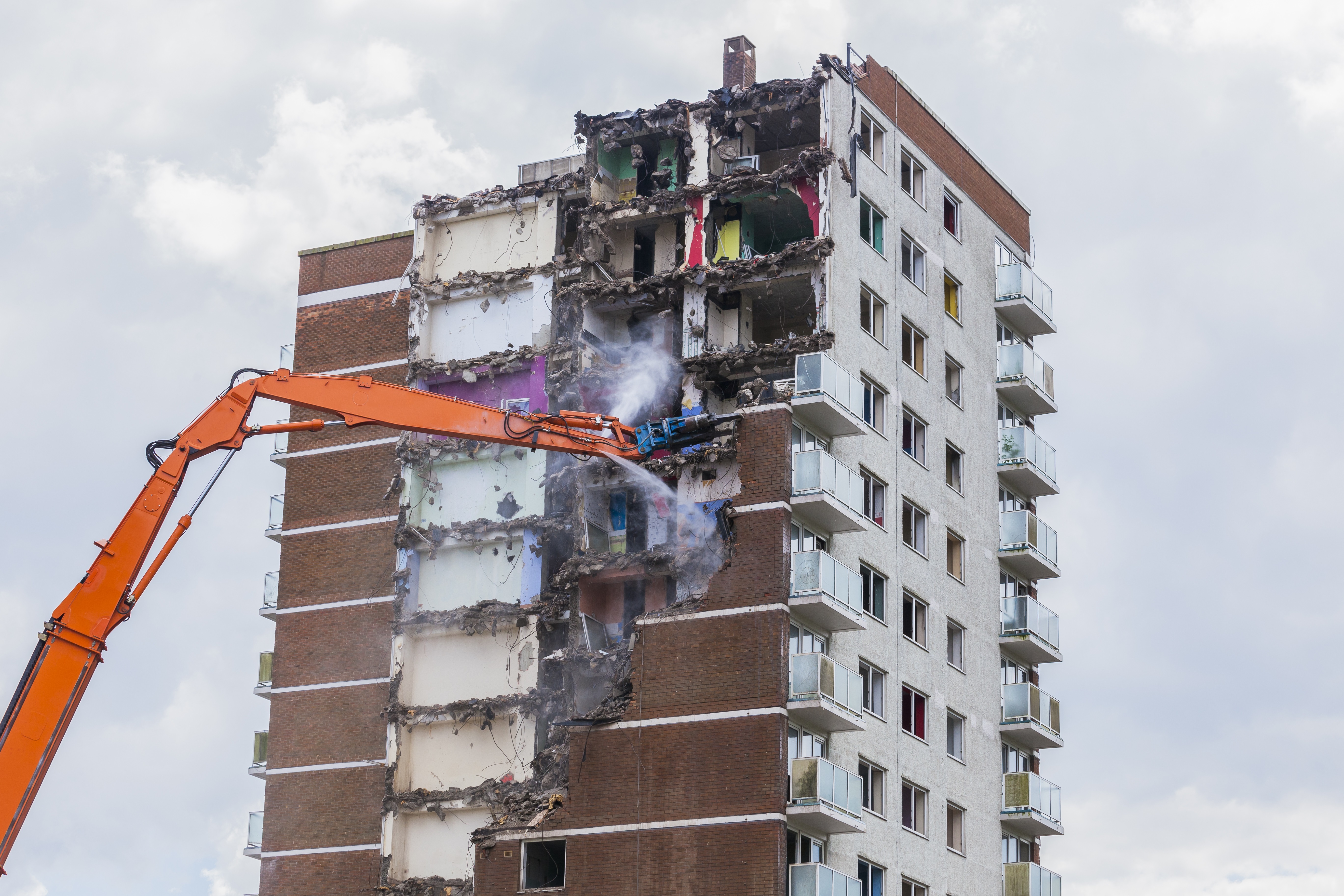
Demolition is one of the most high-risk areas of the construction industry.

Building projects are full of uncertainties – weather events, supply delays and the complexity of coordinating multiple trades can all lead to loss or damage. Contract works insurance (often called contractors’ all risk insurance) helps protect you against the cost of accidental damage to a project under construction. These policies are usually issued jointly in the names of the contractor and the client and cover unforeseen loss or damage to building works and equipment during the construction period. Contract works insurance will pay to repair or reinstate the works if they are accidentally destroyed or damaged before completion and typically operates on an “all risks” basis.

If you’re a ground working contractor, you already know the job comes with risks – from deep excavations and working with heavy machinery to the constant danger of hitting underground services. But how confident are you that your insurance policy is keeping up with your work?

At Champion Insurance Group, we’ve supported the UK construction industry for years. As Chartered Insurance Brokers, we understand that construction projects, whether a single residential build or a multi-million-pound high-rise, carry a wide range of risks.

Timber frame construction is becoming increasingly popular among UK contractors, prized for its speed, sustainability, and cost-efficiency. In Scotland, it has long been the dominant method of housebuilding, accounting for the majority of new homes. Yet despite the industry’s growing confidence in timber, the insurance market remains notably more cautious.