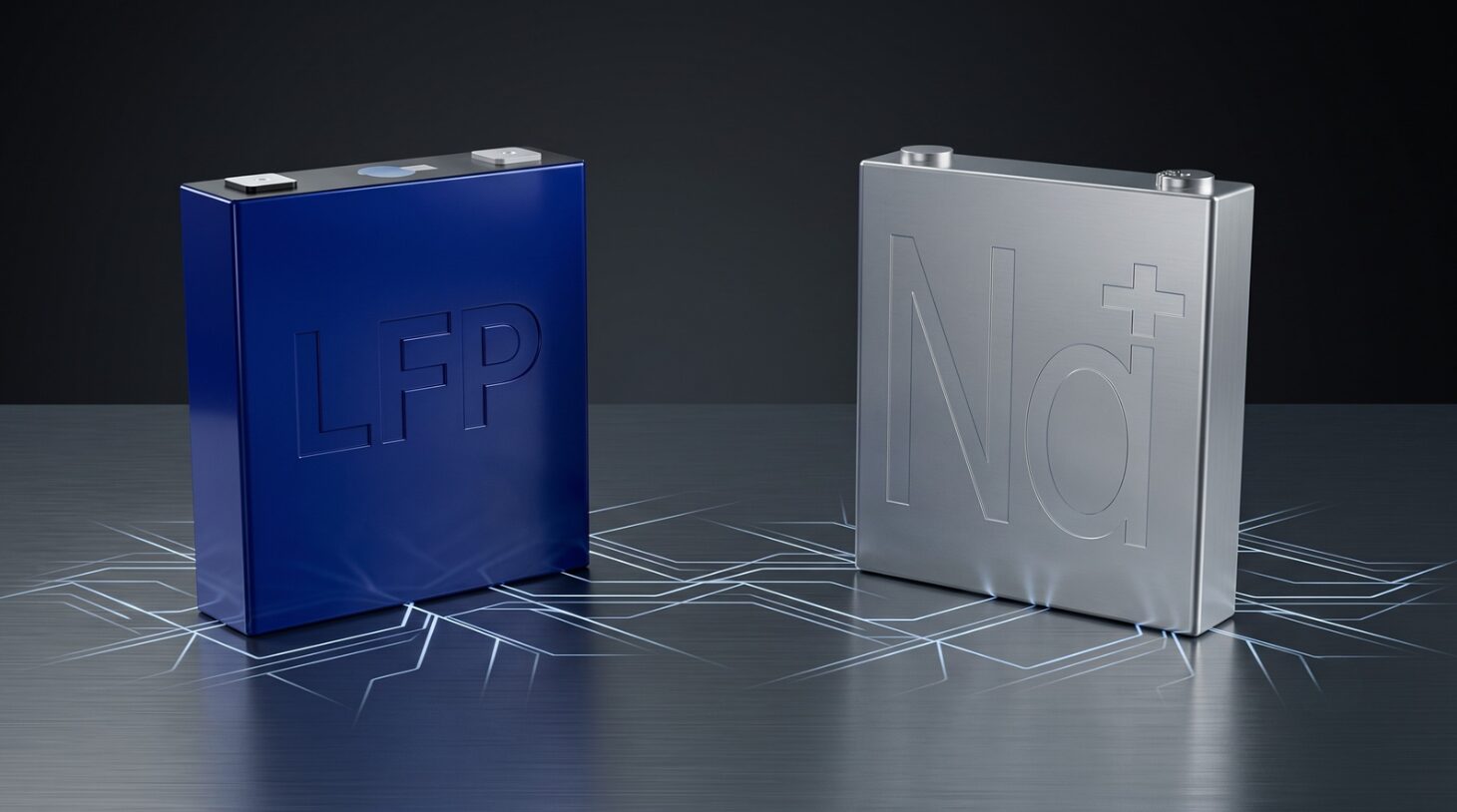
Lithium-ion’s declining cost trajectory is often framed as a story of cells, scale, learning curves, and a 2021-22 lithium price spike that “probably won’t happen again.”
Lithium-ion’s declining cost trajectory is often framed as a story of cells, scale, learning curves, and a 2021-22 lithium price spike that “probably won’t happen again.”
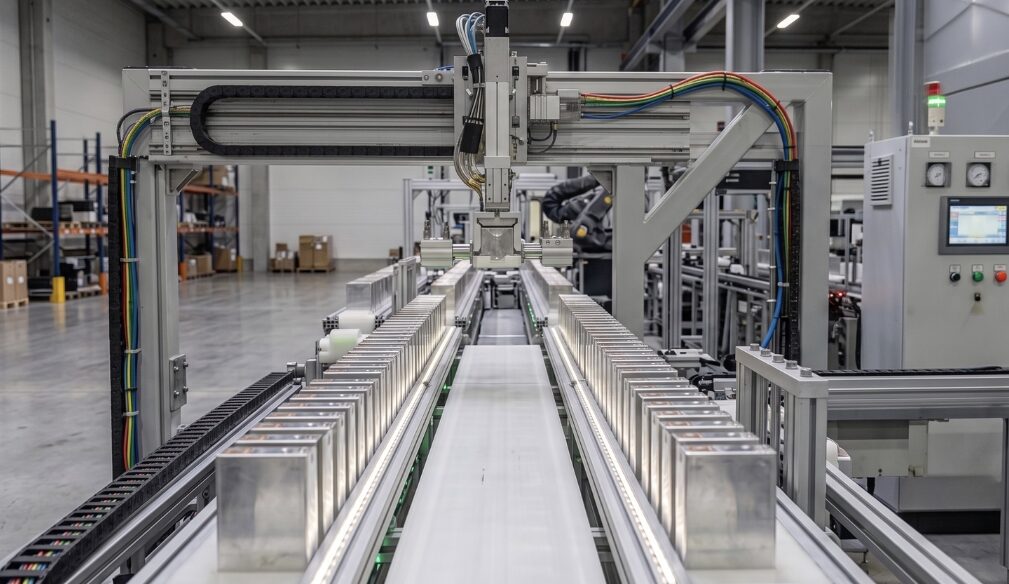
For years, sodium-ion was talked about purely based on its potential: if the technology matures to where it’s competitive with lithium-ion, what would that mean for the battery industry?

As the global demand for high-performance batteries accelerates, the limitations of lithium-ion – ranging from supply chain fragilities, plateauing performance improvements, to thermal runaway risks – have become impossible to ignore. These realizations have pushed sodium-ion back into the spotlight, and it’s not just a chemistry experiment anymore. According to Morgan Stanley, sodium-ion is becoming an $800 billion capital formation wave by 2035, as the technology scales from pilot to industrial deployment.

– By Spencer Nervig, Battery Solutions Architect at Alsym Energy

– By Graeme Grant, Alsym Energy Chief Operating Officer (COO)

For decades, the battery functioned as a static asset within the data center ecosystem, utilized exclusively for passive backup. Legacy Valve-Regulated Lead-Acid (VRLA) batteries were deployed to do one thing: idle at full charge and wait for power failures. Their versatility beyond this was limited mainly by low performance; VRLA batteries possess low cycle lives (typically 200–500 cycles) and degrade rapidly under frequent discharge, making them unsuitable for a more active role.

Utilities and developers across the globe are deploying gigawatts of battery energy storage systems (BESS) to buffer an increasingly unstable grid from rising electricity demand and adoption of intermittent renewable energy.
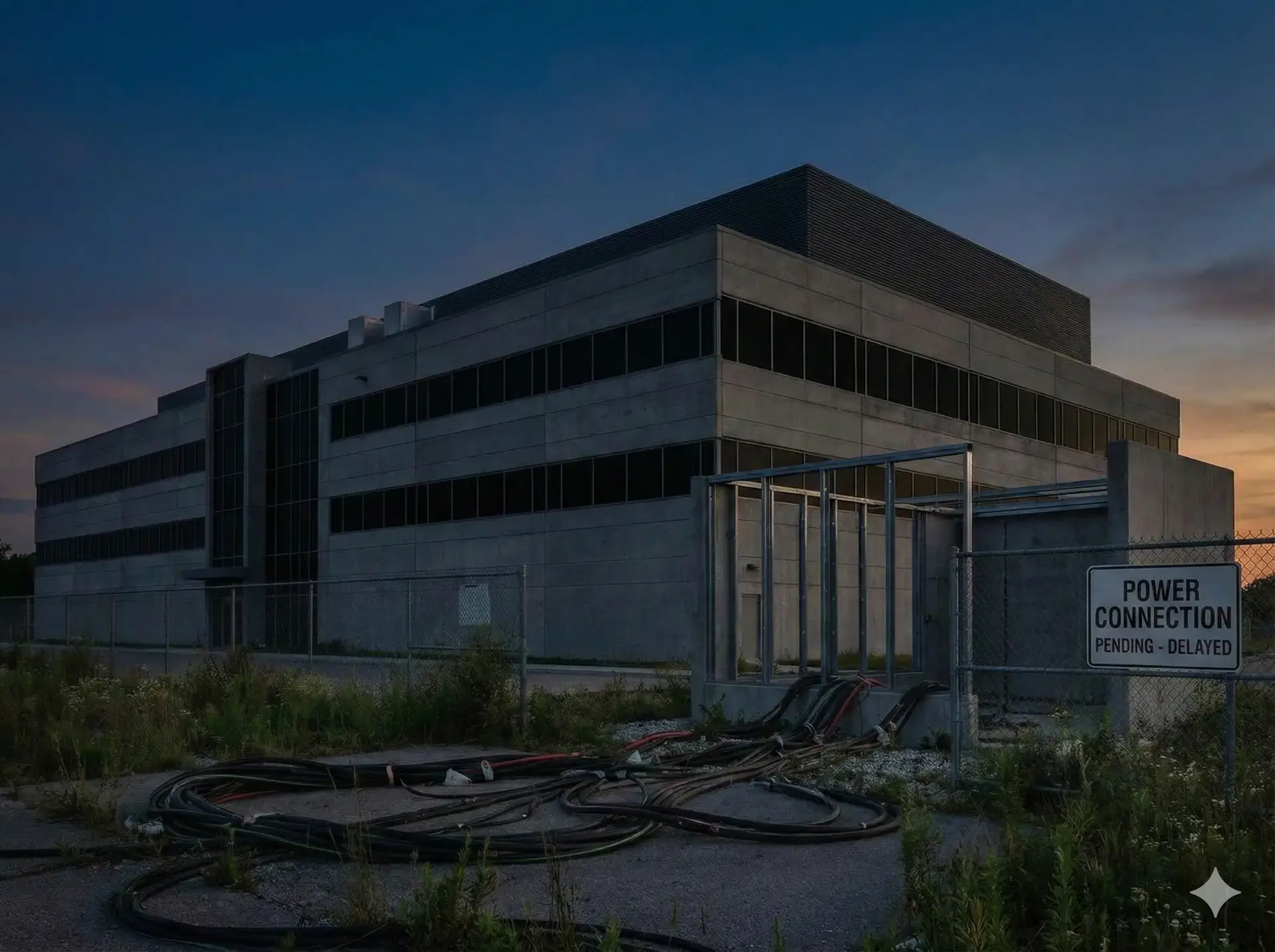
Traditional solutions to add capacity, such as building new power plants or upgrading the grid, would take years to complete. With rapid AI demand growth happening now, faster, more flexible power solutions are urgently needed.

The challenges we foresaw for the future power grid have arrived sooner than expected. Cities are electrifying at record pace. Data center infrastructure is in the megawatt-scale and projected to reach gigawatt-scale by 2028. Electric heat pumps are replacing oil and gas systems. EV sales are growing 5x faster than gas cars. At the same time, record heat waves, winter storms, and other climate extremes are undermining grid reliability. According to a report from Climate Central released last year, there have been 60 percent more heat-related power outages between 2014-2023 than in the 10 years prior. Energy infrastructure is being pulled in two directions: toward greater demand, and into tougher conditions. The combination is a major problem.
Archived Content: This announcement or post was published prior to May 2025 and reflects our historical technical research and legacy architecture. For our current, up-to-date specifications and product features, please visit our Technology Page.