
Three alums reunite to improve the lives of the frailest and most vulnerable senior citizens through participation in a U.S. health care program.
Three alums reunite to improve the lives of the frailest and most vulnerable senior citizens through participation in a U.S. health care program.

Many adult children care for a parent in their golden years. Some are surprised by the costs of caring for an aging loved one. Family caregivers spend an annual average of $7,400 of their own money on caregiving expenses. In combination with a possible loss of income due to time away from work, it can sometimes be a financial strain for families.

Nearly 17 percent of Americans are caregivers to an elderly adult over the age of 50. Choosing to care for an older relative is a selfless act. One of the best things you can do for them is to stay physically and emotionally strong. Here are three simple tips to maintaining your well-being as a caregiver of a senior.

September is National PACE Month, celebrating the Program of All-Inclusive Care for the Elderly (PACE). WelbeHealth’s innovative PACE model helps California’s frailest seniors live in their homes as long as possible. More than 95 percent of participants enrolled in the PACE program live outside of a nursing home.

Health care doesn’t just include care for the physical body; it includes care for the mind too. Solely focusing on physical health and disregarding the mental health of seniors can reduce their quality of life. WelbeHealth recognizes this. As a PACE provider (Program of All-Inclusive Care for the Elderly), WelbeHealth addresses all aspects of wellness to keep seniors living safely in their community.

According to the CDC, the risk of being injured in a vehicle accident increases as we age. So, it is important to know when to give up the keys and allow someone else to do the driving. About 600,000 seniors a year choose to do so. Fortunately, for seniors enrolled with WelbeHealth, transportation services for seniors is taken care of. The all-inclusive services benefit program participants and their caregivers.

What is PACE, and how can it help me stay well and independent?

By

As policy momentum grows toward home and community-based services, study recommends that policy choices focus on the Program of All-Inclusive Care for the Elderly (PACE), and it’s 45-year track record of success in serving the most complex elderly patients.
SILICON VALLEY, Calif., July 14, 2021 — A new study from UC Berkeley’s Berkeley Roundtable on the International Economy (BRIE) features WelbeHealth in a case study illustrating how this California eldercare PACE provider responded early and decisively to the COVID-19 crisis with exceptional results.
“By rapidly transforming its care model, WelbeHealth had exceptional results: as COVID-19 cases rose across the country — and in particular within nursing home populations — WelbeHealth did not have a single COVID-19 death during the first 8 months of the pandemic. The first WelbeHealth loss from COVID-19 occurred on November 21, 2020 and 10 WelbeHealth participants died of COVID-19 since the beginning of the pandemic.”
-UC Berkeley
Key findings:
PACE’s person-to-person, fully integrated approach maintains the participant’s highest level of independence and quality of life[i]; PACE participants experience an 80% drop in rates of depression after joining.[ii] At a time when America is searching for a better way forward in eldercare, PACE is a proven approach for this vulnerable group.
“While PACE has a 45-year track record of success, it remains optional in Medicaid while nursing home benefits are required — it’s time for every vulnerable elder in the country to have access to this gold standard of long-term care,” said Elizabeth Carty, Chief Regulatory Affairs Officer of WelbeHealth.
Many PACE participants reside in medically underserved areas like San Joaquin County, California, where WelbeHealth’s creative problem-solving and speed to action kept seniors safe in their homes when resources for the elderly were relatively scarce.
“As other healthcare organizations were assessing the potential impact and spread of the pandemic, the WelbeHealth team had already taken its crisis response to the next level, ” said Amy Shin, former CEO of Health Plan of San Joaquin. “I was impressed with how nimbly this team charted out a plan not only to keep seniors safe and vaccinated but to vaccinate the community as well. This study’s findings should alert legislators that this style of home and community-based services is the ideal model of care for frail seniors.”
What is PACE?
PACE (Program of All-Inclusive Care for the Elderly) serves low-income seniors who meet their state requirement for nursing home level care allowing them to live independently in their own homes and communities while receiving fully coordinated medical and dental care, physical and occupational therapy, transportation, meals, day programs, home care assistance and more, managed by an 11-person integrated care team. The “one-stop-shop” PACE day centers are the hub of the program, offering seniors a pleasant place to receive care, socialize and enjoy meals within a state-of-the-art facility.
About WelbeHealth
WelbeHealth is a physician-led healthcare organization that provides seniors with high-quality, compassionate care so they can live in their own homes and communities rather than a nursing home. To accomplish this, WelbeHealth uses the PACE (Program of All-Inclusive Care for the Elderly) model. WelbeHealth currently operates four programs in the Stockton/Modesto, Pasadena/Burbank, Long Beach, and Fresno communities of California.
[i] Center for Consumer Engagement in Health Innovation, “Care That Works: Program for All-inclusive Care for the Elderly.” https://www.healthinnovation.org/resources/publications/care-that-works-pace
[ii] National PACE Association, “COVID Data Demonstrates That the PACE Model Is Safer Than Nursing Home Care.” https://www.npaonline.org/about-npa/press-releases/covid-data-demonstrates-pace-model-safer-nursing-home-care
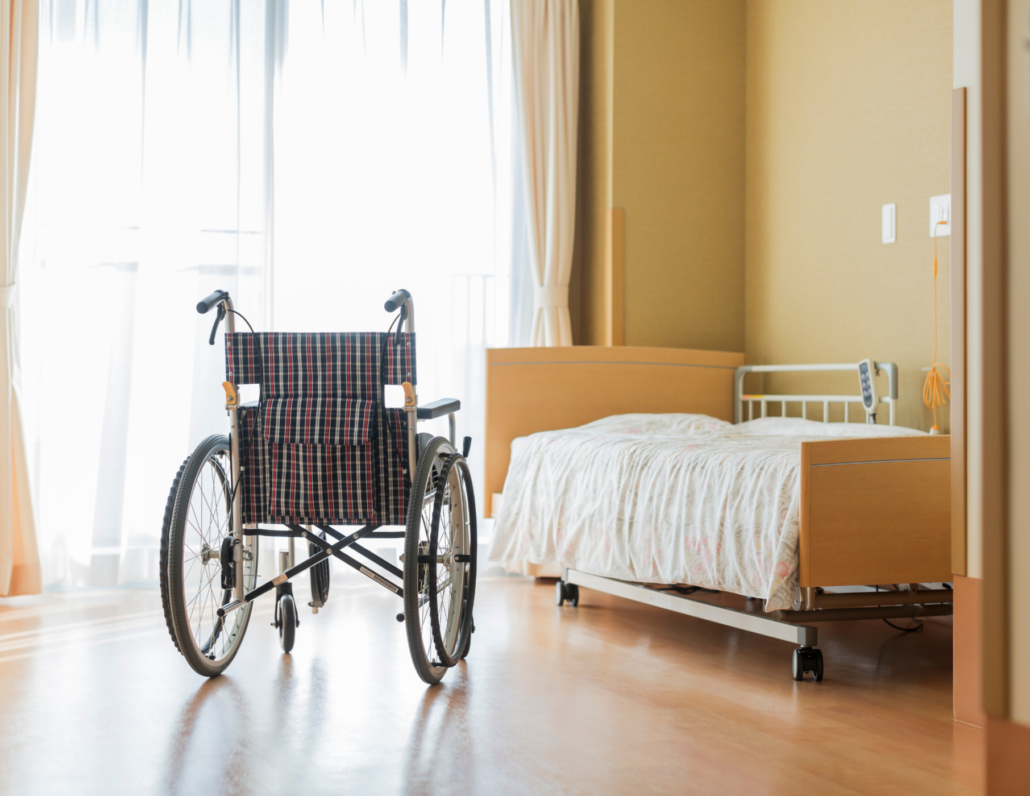
June 15, 2021 (Time Magazine) – When COVID-19 hit the United States, nursing homes in Washington State took the first hit, producing deadly outcomes for older adults. Conditions within long-term care facilities enabled a harrowing spread of any pandemic, let alone a novel coronavirus. Compounding on this, leaders within institutional care were slow to respond when it arrived.