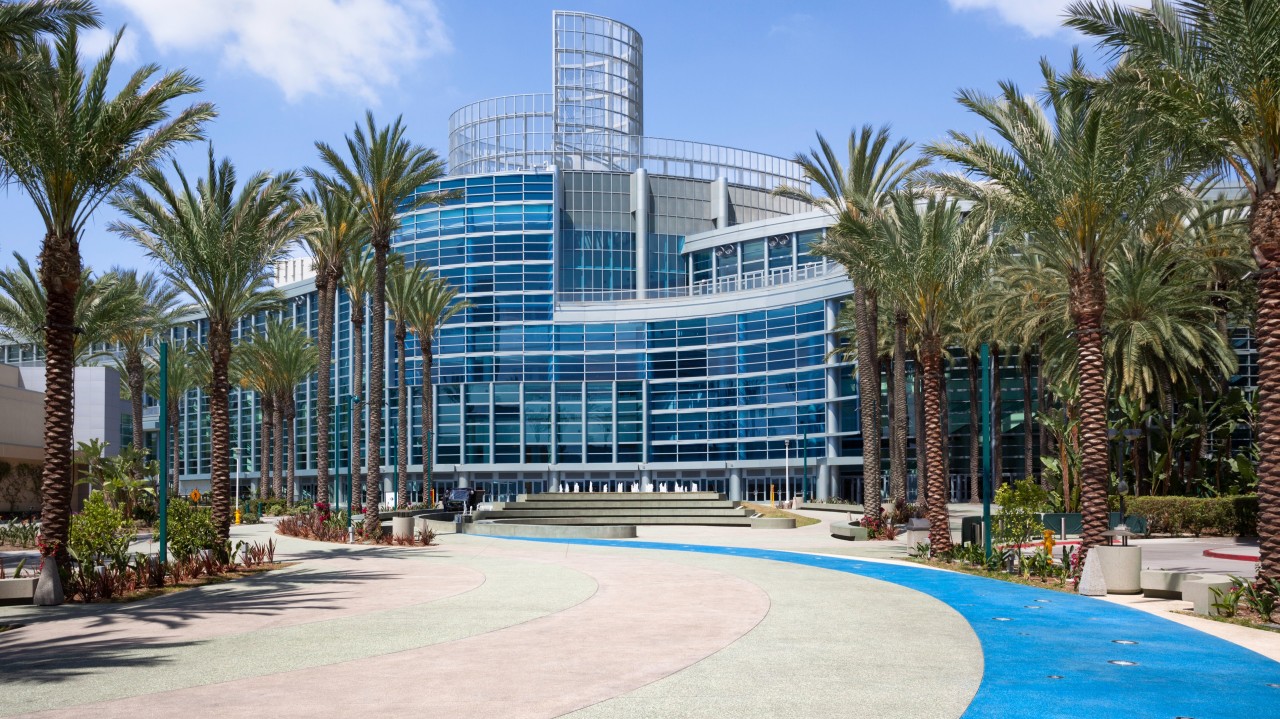
When the school year is in full swing, communication must move quickly. Administrators are managing daily operations, safety teams are monitoring buildings and grounds, transportation departments are coordinating routes, and facilities crews are responding to issues across campus.
From coastal clubs to desert resorts, California golf operations depend on communication that reaches every corner of the property.
Golf courses are not simple facilities. They are large, active environments where hospitality, education, maintenance, security, events, and guest services must all operate in real time.
That is especially true across California, where golf properties can look very different from one region to the next. A coastal course in San Diego or Orange County may face marine air, elevation changes, and heavy guest traffic. A desert resort course in Palm Springs may operate across wide-open acreage with heat, distance, and seasonal event demand. A private club in Northern California may have tree-lined fairways, rolling terrain, and remote maintenance areas. A school, university, or municipal course may need to coordinate students, staff, guests, and public safety across a shared campus environment.
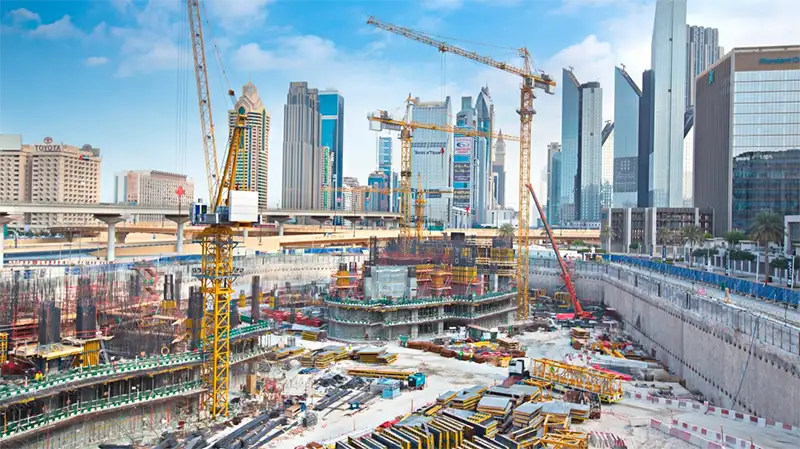
On a busy jobsite, communication isn’t just about convenience. It is about keeping the job moving.
For general contractors, superintendents, foremen, and electrical contractors, the challenge is the same: how do you keep crews connected across a large construction site without delays, confusion, or safety risks? As projects scale, especially on complex commercial, infrastructure, and power-heavy builds, many teams are actively searching for better jobsite communication systems, construction radios, and reliable site-wide coverage that perform in real-world conditions.
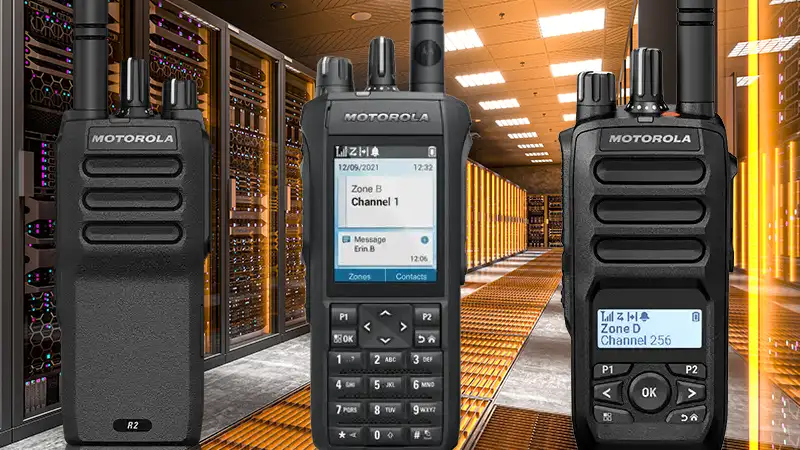
In most industries, communication is about efficiency. In data centers, it is about control.
For compliance managers and operations teams, the job is to maintain uptime, manage risk, and ensure every system performs exactly as intended. As campuses grow larger and more complex, one thing becomes clear very quickly: communication is not just a support tool. It is part of the infrastructure.
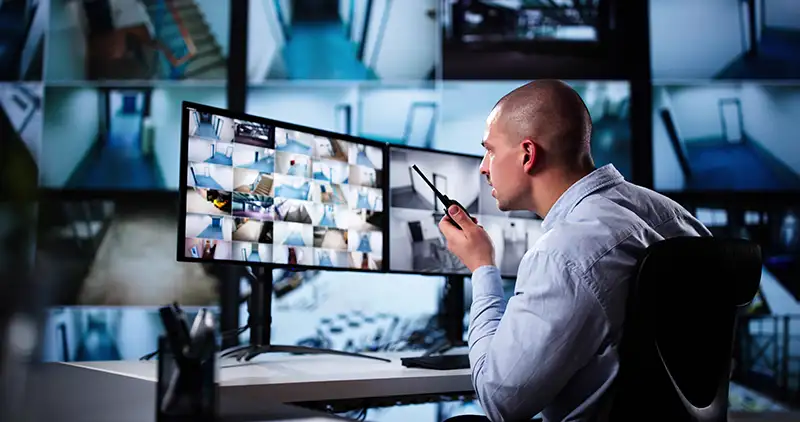
Corporate security does not look the way it did ten years ago.
What was once primarily focused on monitoring entrances and managing visitor access has evolved into a complex operational discipline responsible for protecting people, property, data, and brand reputation across increasingly large and sophisticated environments. Today’s corporate security teams oversee multi-building campuses, manufacturing plants, distribution hubs, healthcare facilities, and high-rise offices that may span multiple cities or states. The scope has expanded. The risks have grown. Expectations are higher, and at the center of it all is communication.
Transportation fleets across California operate in fast-moving, high-demand environments. Municipal transit agencies, waste and recycling departments, public works fleets, private logistics companies, construction contractors, and corporate shuttle programs all face the same daily challenge: keeping vehicles coordinated, visible, and operating safely across wide geographic areas.
When you’re planning an event, there’s always pressure to move fast. Schedules shift. Deliveries arrive early or late. Guests show up all at once. And every moving part depends on one thing being consistent in the background: your ability to communicate and stay connected.
That’s why one of the smartest steps you can take before event day is scheduling a professional site evaluation.
A site evaluation is more than a quick walk-through. Done correctly, it’s a structured assessment of the venue environment to confirm that your wireless communications, devices, and workflows will function properly before guests arrive. It also helps you make smarter decisions about equipment strategy, whether you plan to rent devices for a specific event, purchase for long-term use, or use a combination of both.
If you support events or large public operations in California, you already know the truth: Things Move Fast.
Even the best-planned operation can turn into a constant stream of changes. Schedules shift. Vendors arrive early. Attendee flow changes. Entry lines build up. A VIP request comes in. A safety issue needs attention. And through all of it, one thing quietly determines whether the day runs smoothly or starts to break down:
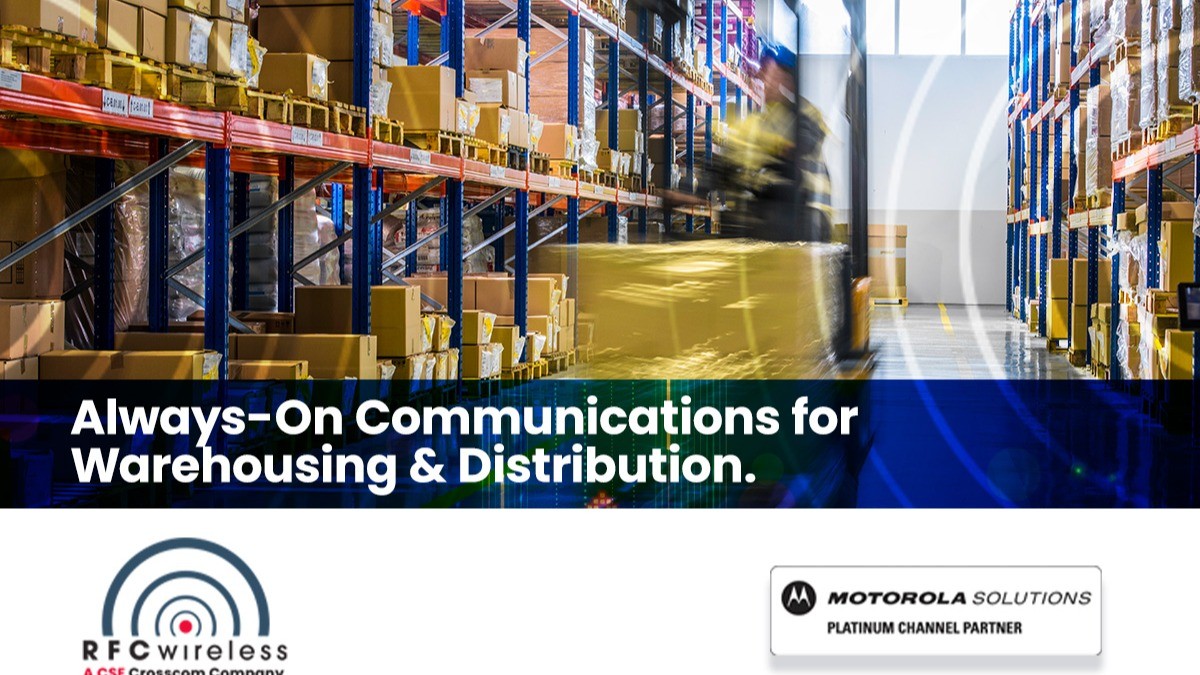
Modern warehousing and distribution operations depend on speed, precision, and constant coordination. From regional distribution centers to high-volume fulfillment hubs, every delay, missed message, or safety incident has a direct impact on productivity, costs, and employee well-being.