Posts by:
John Macintyre

Job Vacancy GeoEnvironmental Consultant North East
Job Vacancy GeoEnvironmental Consultant North East Office
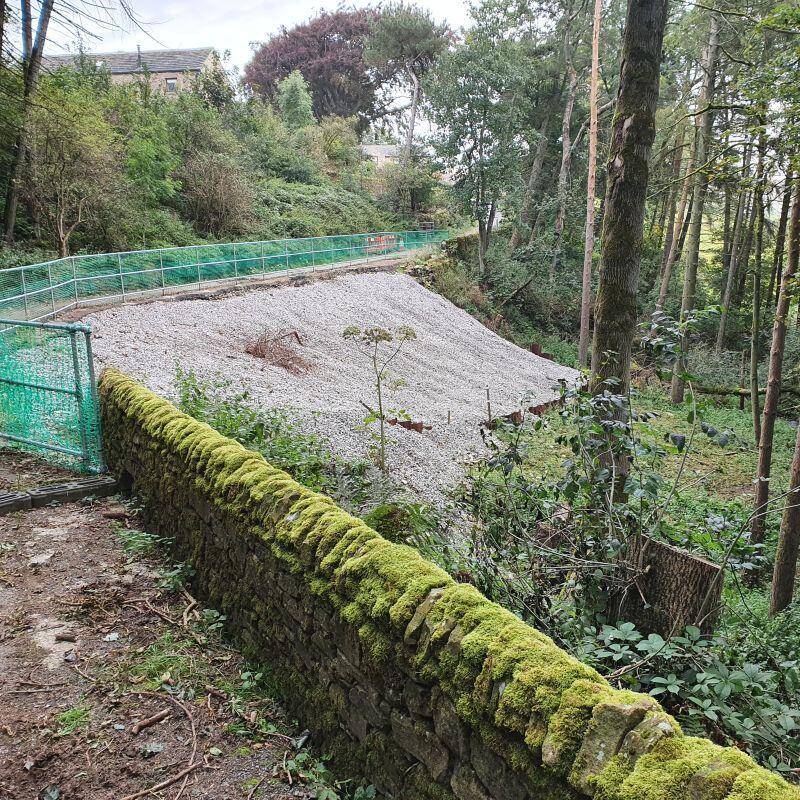
Landslide Ground Investigations
Landslide Ground Investigations

We are 32nd Largest Geotechnical Consultancy Practice in UK
We are 32nd Largest Geotechnical Consultancy Practice in UK!!
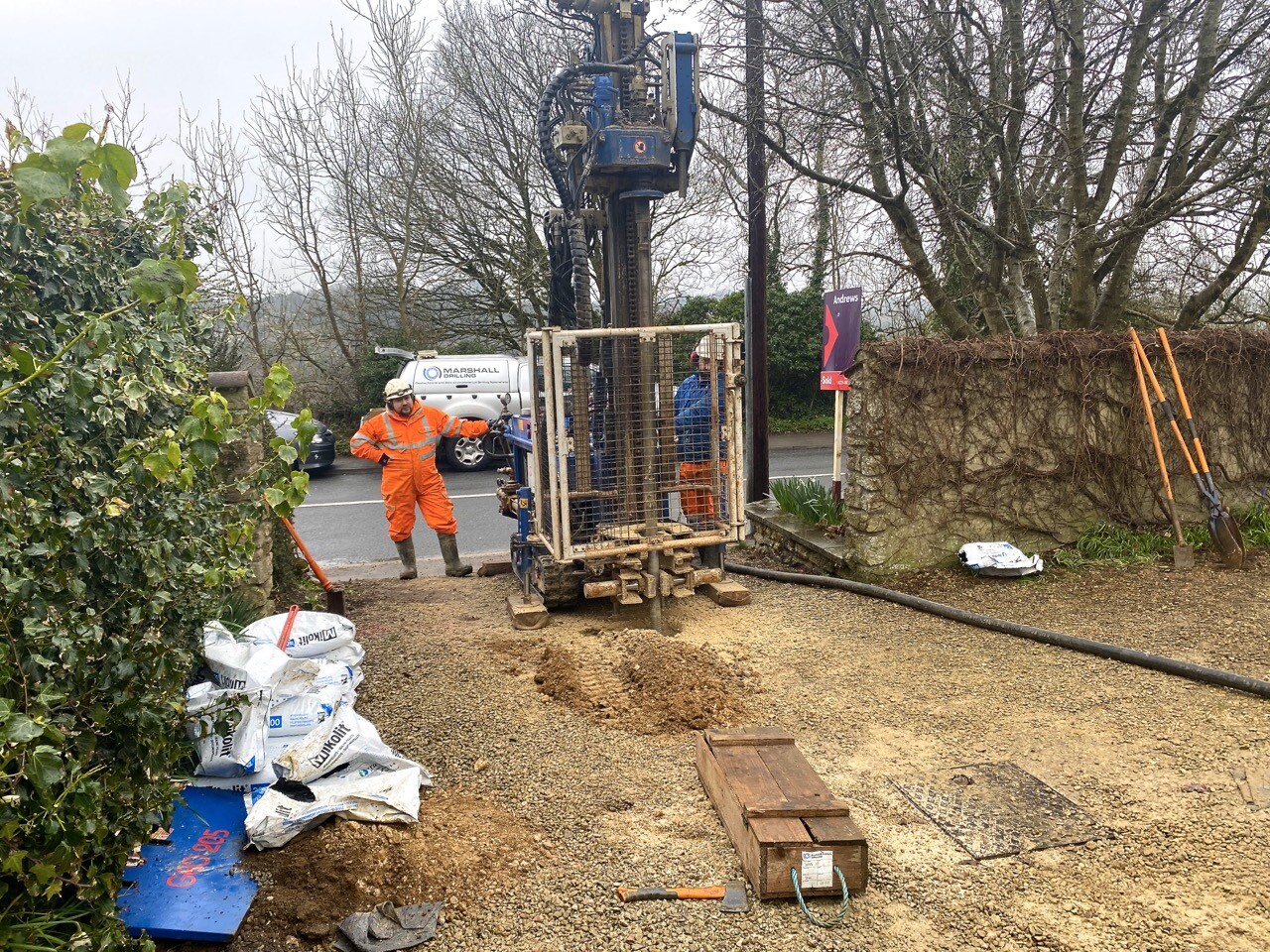
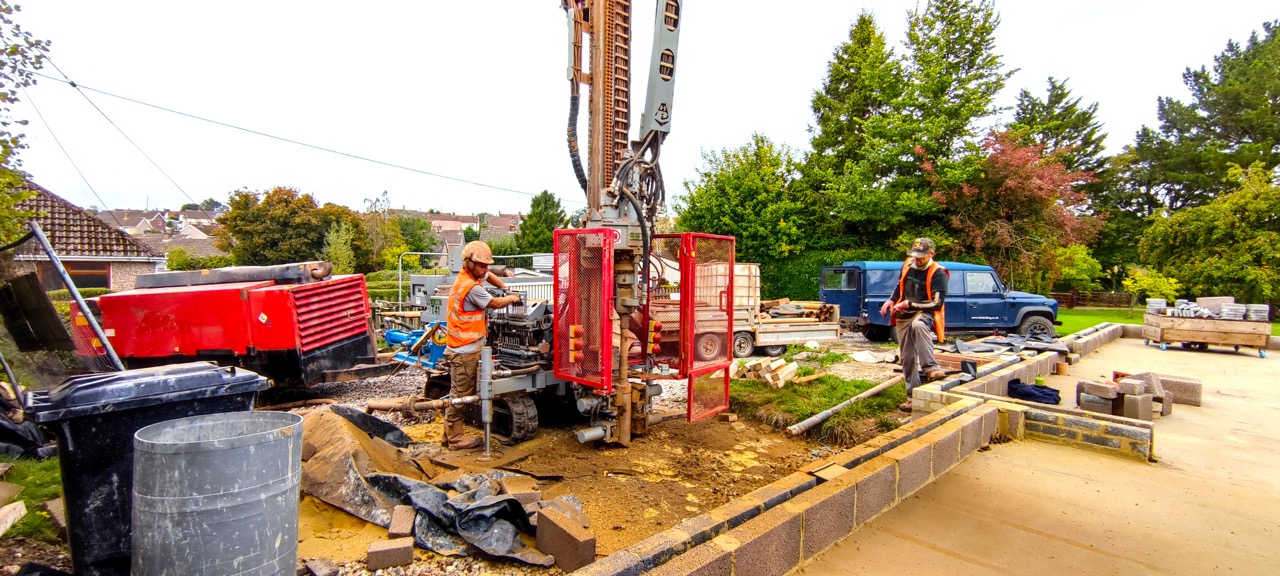
What is Ground Investigation? An Educational Guide for Developer
Earth Environmental & Geotechnical provide an extensive range of Ground Investigation services
Call now to discuss your development site.
Common Ground Investigation Techniques
Ground investigation is not a single process, but instead it involves a wide range of methods depending on site conditions, risks, and project size. Some of the most widely used techniques in ground investigation include:
- Cable Percussive Boreholes
- Window Sample Drilling
- Rock Coring
- Rotary Boreholes
- Rotary Core Drilling
- Dynamic Probing
- Trial Pitting
- Soakaway Testing
- Plate Bearing testing
- California Bearing Ratio (CBR) Testing
Learn more about our Ground Investigation Services and see how we can support your project from start to finish.
What Problems Can Ground Investigations Identify?
A thorough investigation often highlights risks that would otherwise remain hidden until construction starts. These can include:
- Contaminated land from historic industrial use or landfills.
- Weak or compressible soils are unable to bear structural loads.
- Groundwater flooding or perched water tables.
- Mine workings, voids, or sinkholes in former coalfield areas.
- Radon and methane gases pose health and safety risks.
- Unstable slopes leading to landslides or ground movement.
Identifying these issues early allows engineers to adapt designs, select appropriate foundations, or implement remediation strategies before construction begins, ultimately preventing costly additions.
Health & Safety and Best Practice Standards
All ground investigations must also comply with strict health and safety protocols. This includes site-specific method statements, risk assessments, and, where necessary, utility tracing to ensure safe drilling and excavation. These precautions are just as essential as the technical data itself, as without them, they would not protect workers, the public, and the environment.
How Ground Investigations Support Planning and Design
In many cases, planning authorities will require ground investigations as part of the approval process. Without their permission, it may be delayed or refused. A well-prepared investigation report can therefore speed up planning applications and avoid costly back-and-forth with regulators.
By providing robust data, investigations save time, reduce uncertainty, and ensure projects are safe, cost-efficient, and on time.
Phase 1 Desk Study For Planning Permission

What is a Plate Bearing Test?
What is a Plate Bearing Test?

Earth Environmental & Geotechnical’s Bath Office
All in a weeks work for Earth Environmental & Geotechnical’s Bath Office
Earth Environmental and Geotechnical South West Office
Environmental & Geotechnical Work Experience
Environmental & Geotechnical Work Experience
Earth Environmental and Geotechnical South West Office

Government Funds for Brownfield Sites
Brownfield Funds Available for New Homes on Derelict Sites.
Brownfield Fund for Councils
Government Funds for Brownfield Sites
If you are a local authority looking to develop a derelict brownfield site we can help.
At Earth Environmental & Geotechnical we have extensive experience producing design solutions for successful brownfield land assessment and pragmatic remediation designs.
We provide an extensive range of services to assess the viability of development on Brownfield sites including:
- Phase 1 Desk Study
- Contaminated Land Assessments
- Ecology Surveys
- Invasive Species Surveys and Remediation
- Flood Risk Assessments
- Coal Mining Risk Assessments
- Material Management Plans specific to the Brownfield Land
- Surface Water Drainage Strategy SuDS
- Soil Waste Classification Service
Our Site Investigation Services are an essential step in understanding your development site and ground conditions.
Assessing viability for development of brownfield land
Understanding site viability is the first step when considering developing a brownfield site.
Toxic pollution from waste materials, industrial processes and chemical or fuel storage can leave residues for many years in both the underlying soils and groundwater.
Any contamination that currently exists on the site must be dealt with following the proper procedures. Our experienced team have worked at board level within several consultancy and remediation practices and have advised many local authorities, house builders, landowners, solicitors, and property consultants at any early stage in the site acquisition process on potential liabilities and development constraints.
If the land you are proposing to build on was used for industry in the past, it could contain contaminants, including:
- Asbestos
- Lead
- Fuel such as diesel or petrol
- Other chemicals
There could be substantial punitive costs for the disposal of contaminated soils, if not identified and managed at an early stage in the development process. Other factors all need to be considered including air quality, noise, impact of the development on drainage and surface water drainage.
The investigation, assessment and remediation of contaminated land requires an understanding of many different specialist disciplines that allow for a comprehensive and pragmatic development to proceed. These disciplines include geology, hydrogeology, toxicology, risk assessment, soil mechanics and of course an appreciation of the limitations of our understanding of the science and empirical modelling behind the derivation of soil guideline values and risk based remedial targets.
Many brownfield sites are located in convenient positions, providing much of the infrastructure needed for new homes, such as transport and utilities. Brownfield sites with detailed remediation designs can provide excellent opportunities to deliver aspirational programme of regeneration to meet the demand for new housing, and provide social and genuinely affordable homes while creating sustainable and attractive neighbourhoods.”