DispatchTrack Announces Smarter Reloads, Capacity Reservation, Stop Prioritization, and More with Next Generation Route Optimization

The plumbing supply industry is no stranger to supply chain challenges. In the past few years, the plumbing industry has had to grapple with wild fluctuations in demand, material prices, and labor availability. In spite of that, most plumbing suppliers continue to go out of their way to do right by their customers.

Studies consistently show that delivering on time is important. It’s important to your customers, who will vote with their dollars if they don’t get the right order at the right time for them—and it’s important operationally: if your drivers are always running behind, sticking to a plan becomes impossible and endless rework ensues.

National roofing week may have been a couple of months ago in June, but the importance of the roofing supply industry is undiminished the remaining 51 weeks of the year. In one survey, 78% of roofing industry professionals said they anticipate sales to improve in 2024, and that suggests an industry that continues to be important to commercial and residential construction projects around the country.
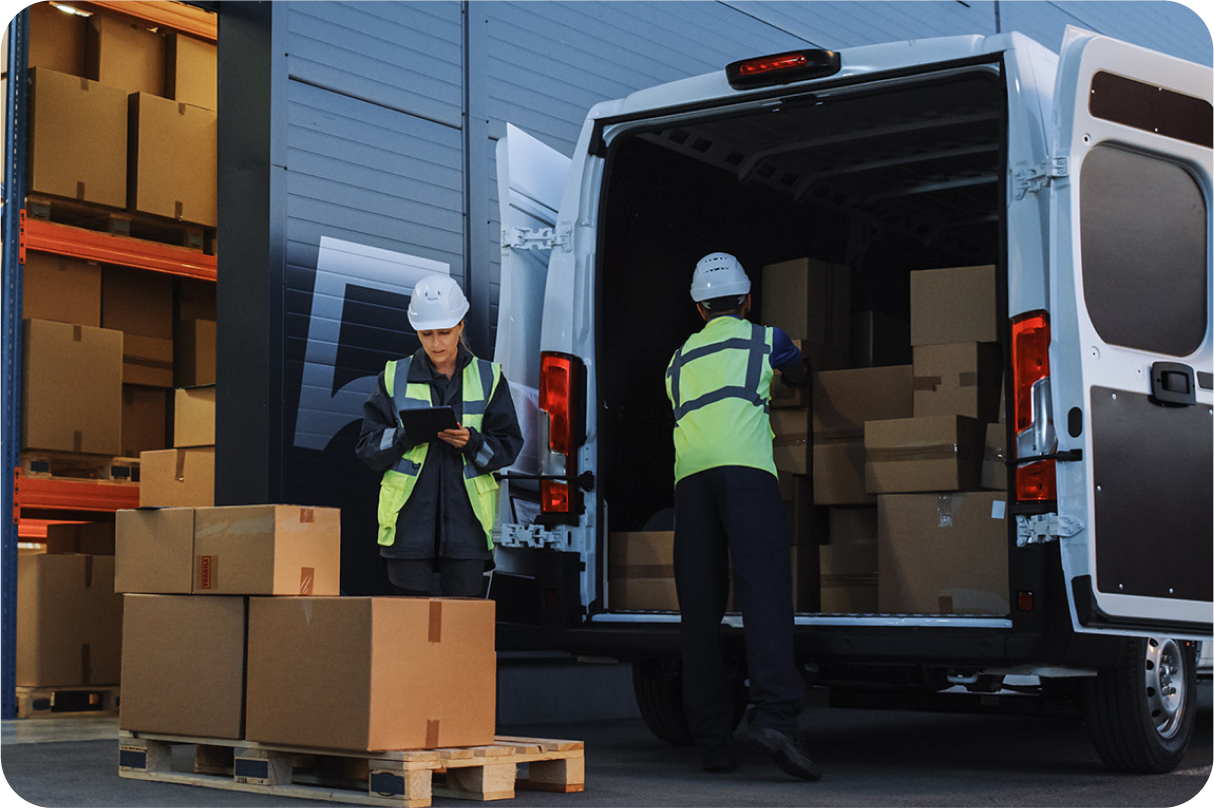
A lot has to go right in the route optimization process if you want to keep costs down and ensure customer satisfaction. You need to know when orders are ready to schedule, you need visibility into your fleet and driver availability, and you need a routing process that’s quick enough to be practical in the fast-paced world of modern delivery management.
Building supplies distributors know there’s no room for error when delivering to busy job sites.
The US flooring market has been on an upswing that is projected to continue—with an expected CAGR of 5.4% between now and 2030. That means that distributors who specialize in flooring are going to have a lot of deliveries on their hands in the near future, if they don’t already.
Lots of things that sound good in theory don’t work so well in practice—like New Year’s resolutions or big budget film sequels. New software solutions can also fall into that category for any number of reasons: the product you saw in the demo might not really reflect what’s in the platform, or what looked user-friendly at first turns out to be unworkable for your team, or it could turn out that your new solution simply doesn’t play nicely with the rest of your tech stack.
It’s a business version of the baseball squeeze play: Customers want last mile operators to reduce their carbon footprint while the bottom line is begging for a boost. But the two aren’t mutually exclusive. Like laying down the perfect bunt to get a runner home, you can do both through ecological logistics, which can cut both carbon and operational expenses.

Why is it that sometimes we stick with an existing supplier or manual way of working, even if we’re deeply unhappy with the performance, and know there must be a better solution? Is it the fear of change, is it the perceived upheaval to change or is it because we think ‘better the devil you know’?