xu maia

Posts about:

Local Knowledge

History of London Borough of Barnet

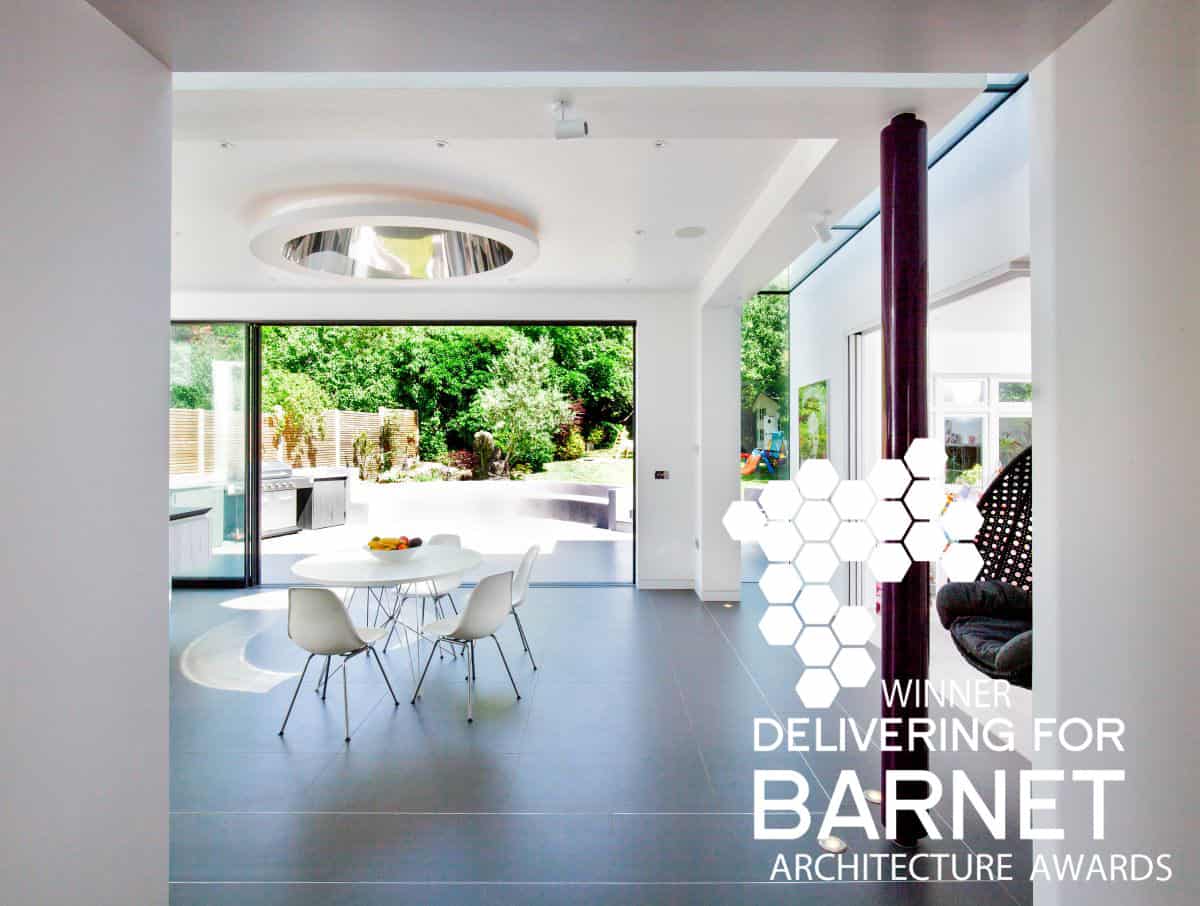
Located in the northwest of the city, the Borough of Barnet is one of the 32 London boroughs that make up the Greater London area. It was first formed in 1965 by merging several smaller boroughs. The suburban, modern borough covers an area of some 26 square miles and now has a population of over 300,000 people.
Read More

Haringey: When Do You Need Planning Permission?

Haringey has become an increasingly popular place to live in North London. Indeed, the area is far enough away from the hectic centre of Central London to offer a more peaceful retreat, but close enough to benefit from a vibrant nightlife and shopping scene. With beautiful green areas, niche eateries and exclusive entertainment venues, it does not come as a surprise that homeowners are looking to take root in this area.

Read More

North Hill—the most architecturally diverse street in Britain

North Hill in Highgate is a bit of an architectural anomaly. It may only be around a mile long, but it manages to play host to a huge array of architectural styles. Walking along North Hill, which runs parallel to Highgate tube station and Archway road, you’ll see buildings dating as far back as the 1600s and right up to the present day. This unusual claim to fame has led to its residents and Haringey council dubbing it the most architecturally diverse street in Britain.

Read More

The History Of Highgate New Town

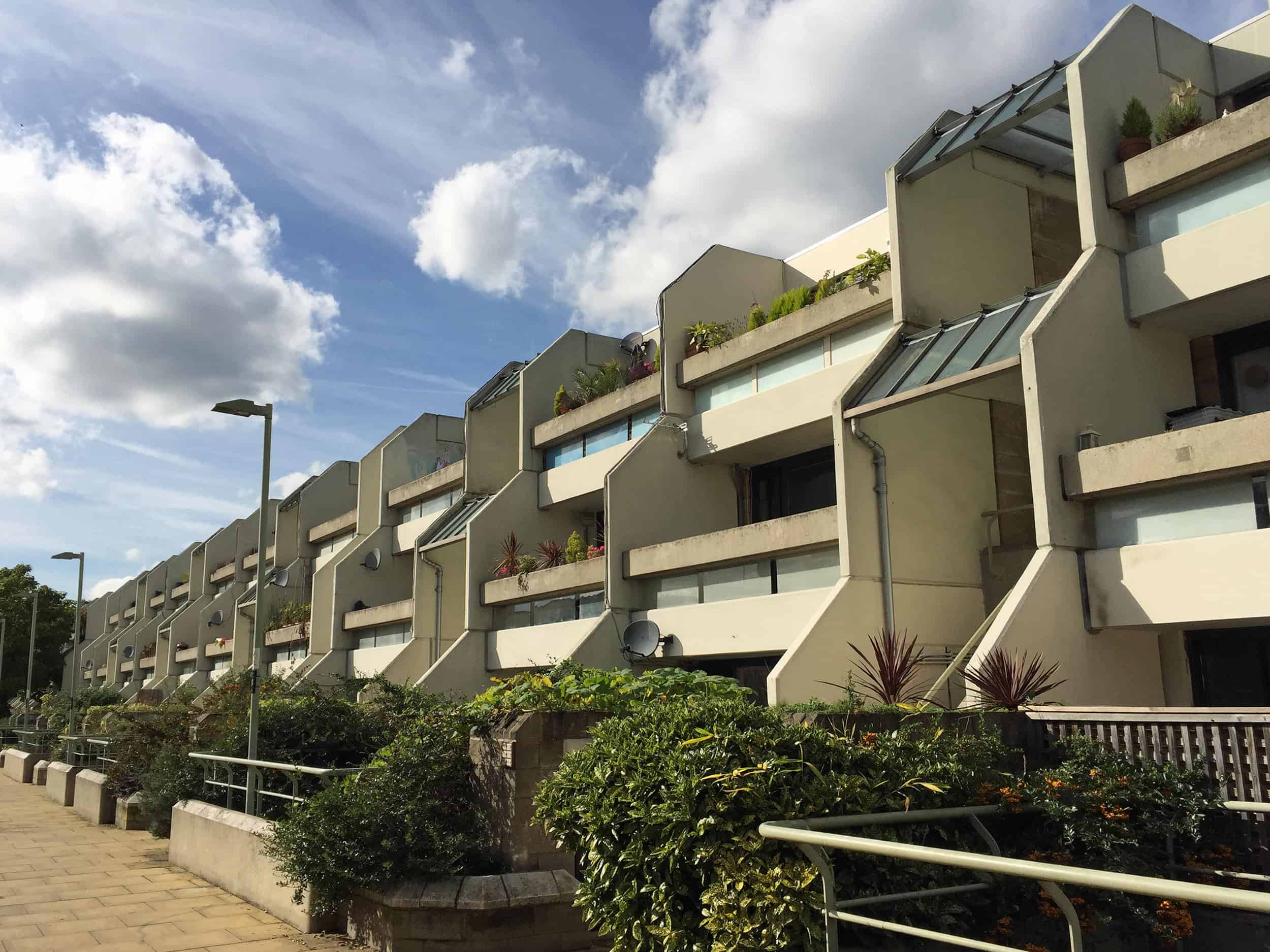
Attitudes to social housing have changed dramatically over the past sixty years and there’s no better example of state-funded modern urbanism than in London. One such example is Highgate New Town, a large council housing estate designed by Camden Architects Department architect, Sydney Cook. Like much mass housing in London, it took the place of an older pre-war terrace that was deemed unfit for modern living, with three quarters of the old homes not even having a bathroom.

Read More

The Bishops Avenue, London’s Hunting Park

One of the wealthiest streets in London, let alone the world, The Bishops Avenue and its cul-de-sacs, is home to approximately 110 properties. Yet this wasn’t always the case. Before 1887, it had at one point been part of the Bishop of London’s hunting park. The Bishop of London was also known as the Lord of the Manor of Finchley and commanded a great deal of respect and power in the city. This was until 1868, when all episcopal land was transferred to the Ecclesiastical Commissioners, opening up the area for commercialisation in 1887.

Read More

Sir Arthur Elvin and Wembley Stadium

British businessman Sir Arthur Alvin is perhaps one of the most famous inhabitants of Ingram Avenue, a leafy street situated in Hampstead Garden Suburb. Residing at his home in Kenwood Close with his wife, the ‘Wizard of Wembley’ was best known for his achievements in the sporting arena.

Read More