scoa maia

Driving Education to Yazidi Youth and Women (SETS)-Multicultural Australia

Multicultural Australia SETS Toowoomba, in collaboration with the Department of Transport and Main Roads and the local PCYC, initiated two tailored programs aimed at providing driving education to Yazidi women and youth settling in the Toowoomba region. The programs sought to enhance equitable access to driving education, ultimately promoting social and economic inclusion, and fostering a sense of belonging among participants, thereby improving their settlement outcomes.

Read More

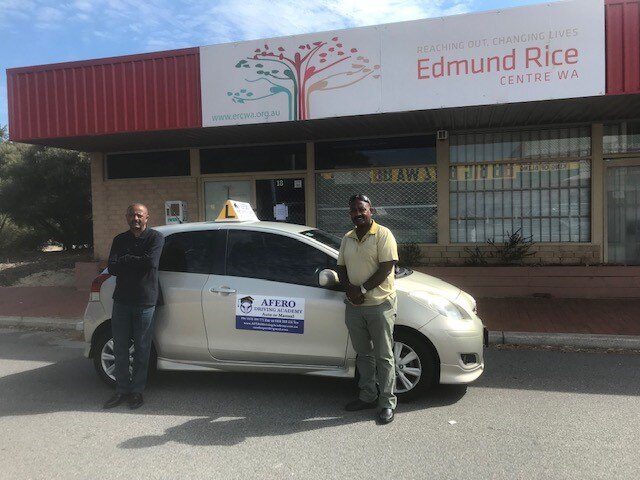
Driver Education Program- Edmund Rice Centre WA

A driver’s license can mean the difference between successful integration, and exclusion. However the cost of lessons is prohibitive and many are unable to afford driving lessons until employed but unable to secure work or access to workplaces without a licence.

Read More

SCOA Submission: Migrant and refugee perspectives on a new voluntary service for parents

The Australian Government is designing a new voluntary pre-employment service for parents.1 The new pre-employment program will replace the ParentsNext program, which will be abolished from 1 July 2024. Through consultations with parents from culturally and linguistically diverse (CALD) backgrounds and settlement practitioners, the Settlement Council of Australia (SCOA) identified the needs of disadvantaged migrants and refugees who plan to return to work or education while raising children. The consultations were conducted to understand how best to support disadvantaged parents with primary caring responsibilities for young children in their education and employment goals.

Read More

Statement on Palestine and Israel: We must humanise civilians, condemn violence, and be a place for refuge

Friday 20 October 2023

Statement on Palestine and Israel: We must humanise civilians, condemn violence, and be a place for refuge

 
Australia’s settlement sector is comprised of organisations grounded in principles of human rights. One of our primary roles is restoring a sense of safety to those who have been deprived of it due to war and conflict.
 
As a sector, we have long supported those who flee violence in their homelands. Australia’s settlement program emerged post-World War II, and in the decades since Australia has provided refuge to people from every corner of the globe. Australia must always offer refuge to those seeking safety regardless of their nationality, ethnic origin, or religion.
 
We have consistently advocated that the international community take all reasonable steps to ensure the protection of civilians, prevent persecution – and, when that fails, that the international community offer refuge to those subject to violence.
 
Today, we take that same stance in relation to Palestine and Israel.
 
Together, with international organisations such as the United Nations, we call for upholding the fundamental principles of International Humanitarian Law and we condemn the targeting of innocent civilians regardless of their background. All human beings have a right to safe passage to escape conflict, and humanitarian assistance must never be prevented from reaching those who do not, or cannot, flee.
 
Australia has, in relation to many conflicts, facilitated the emergency evacuation of civilians and our sector has ably supported this process. We again, reiterate that we are ready and willing to support any civilians seeking refuge in Australia.
 
Further, we all play a role in preserving life by ensuring we use humanising language and condemn violence against civilians in all its forms. How Australia responds is also vital for social cohesion both in the short and long term. We therefore call on all our civil society partners to join us in using their voice and resources to create an environment where the atrocities that gave rise to the UN Refugee Convention are never allowed to occur again.
 
We must collectively humanise civilians and offer refuge to those escaping violence. This humanitarian spirit has allowed for decades of peace and social cohesion in Australia, and we have an obligation to continue to express this spirit to preserve that in Australia and promote it abroad.
 
Finally, we acknowledge the heavy emotional toll of current atrocities on our sector, including the people who use our services and frontline workers who may be affected either directly or indirectly. Our organisations will continue to offer our support, and commit to treating each other with empathy, respect and kindness.
 

Read More

SCOA Submission: Multicultural Framework Review

Multiculturalism is one of Australia’s greatest assets, defining our national identity and contributing to the richness and vibrancy of our society. Our nation has a long history of welcoming people from all corners of the globe, and the success of this endeavour relies heavily on effective settlement services. Australia’s settlement service infrastructure is an essential pillar of our successful multiculturalism, and we are grateful for the opportunity to make a submission to the Multicultural Framework Review (the Review).

Read More

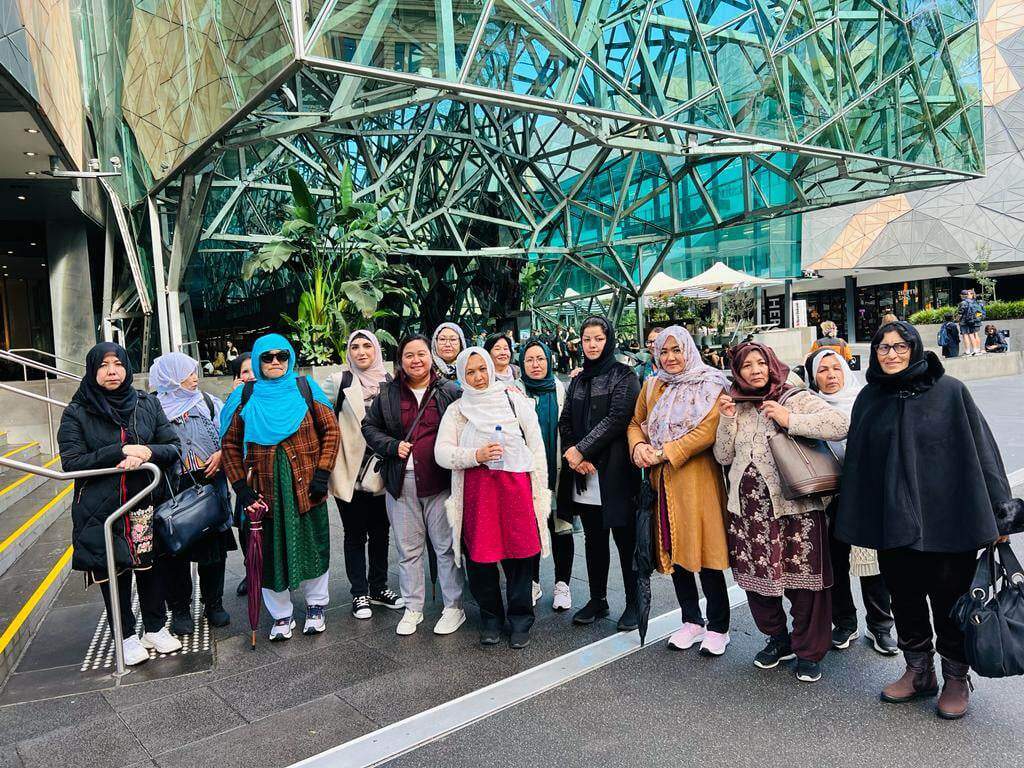
Connecting Communities: A Public Transport Pilot (SECL)

South East Community Links practitioners and local settlement service providers recognised a consistent lack of awareness and engagement with public transport, particularly within the City of Casey, for newly arrived communities with English as an additional language. This has been an issue for some time.

Read More

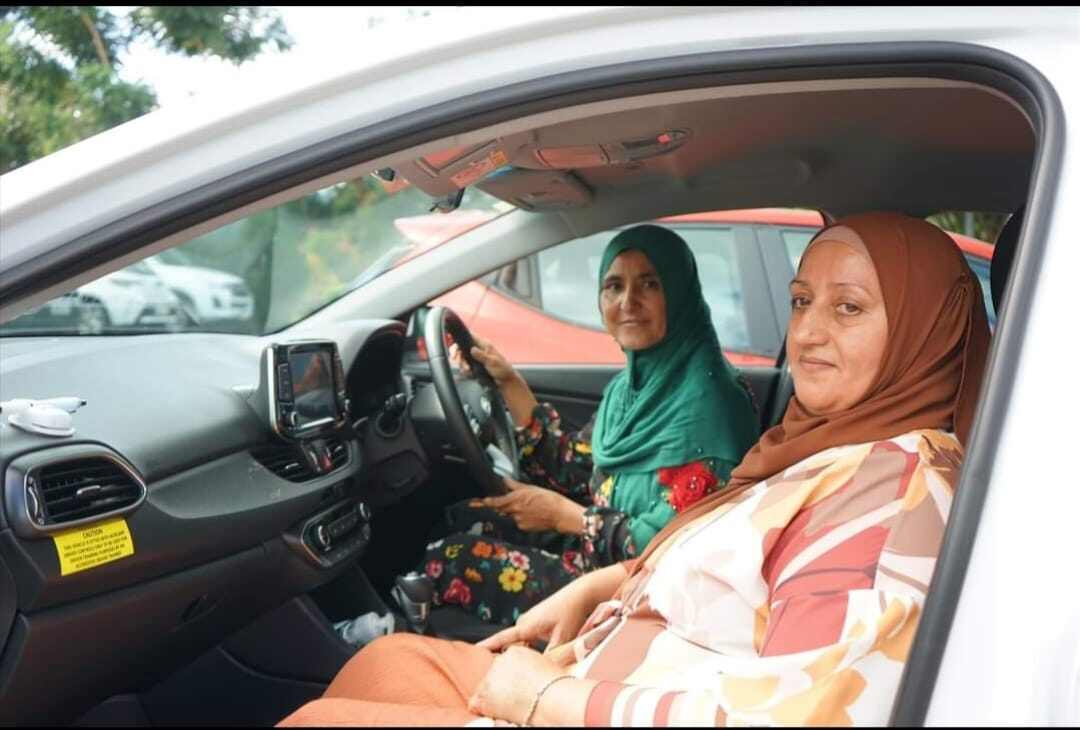
Women at the Wheel- SSI (formerly Access Community Services)

Women at the Wheel supports CALD women to gain the required knowledge and practical experience of Australian Road Rules & driving lessons to enable them to obtain a provisional Queensland Driver’s License. Participants also gain knowledge regarding driving on highways, paying tolls and using the Transurban/Linkt network.

Read More

Peak Body For Migrant And Refugee Services Welcomes Increase To Refugee Intake

Friday 11 August 2023

The peak body for Australia’s settlement services has commended the Government on increasing Australia’s humanitarian intake from 17,875 to 20,000 per year. The increase has been welcomed by the Settlement Council of Australia as an important signal of Australia’s leadership in responding to global conflict and displacement.

Settlement Council of Australia CEO, Sandra Elhelw, said “This announcement is a welcome response to the scale of humanitarian crises globally. More than 100 million people have been forcibly displaced globally, and over 2 million are awaiting resettlement. Every increase in Australia’s humanitarian intake represents an extra life that will be given another chance at safety and a fulfilling future.”

Chair of the Council, Melissa Monteiro said “Australia has one of the most advanced systems for supporting refugee resettlement in the world. This means that refugees arriving in Australia overwhelmingly settle well into Australia’s social and economic fabric. Not only do we gain from fulfilling our humanitarian obligations towards refugees, we also gain the fruits of their social and economic contributions.”

While the increased intake is a welcome step, the Council reiterated that Australia and its settlement services have the capacity to resettle an even larger intake. In recent years, Australia’s settlement services have supported large intakes from Afghanistan and Syria, and in decades gone by, from the former Yugoslavia and from Vietnam. 

Ms Monteiro added, “Our network of 125 member organisations stand ready and willing to support as many refugees as the government is willing to resettle. We look forward to supporting an increased intake to belong, thrive and live fulfilling lives in their new home.”
 

Read More