Government Relocation: How to Simplify the Process, Reduce Downtime and Improve Cost Management
Government relocations can be complex. They’re also time-bound, very personal and expensive.
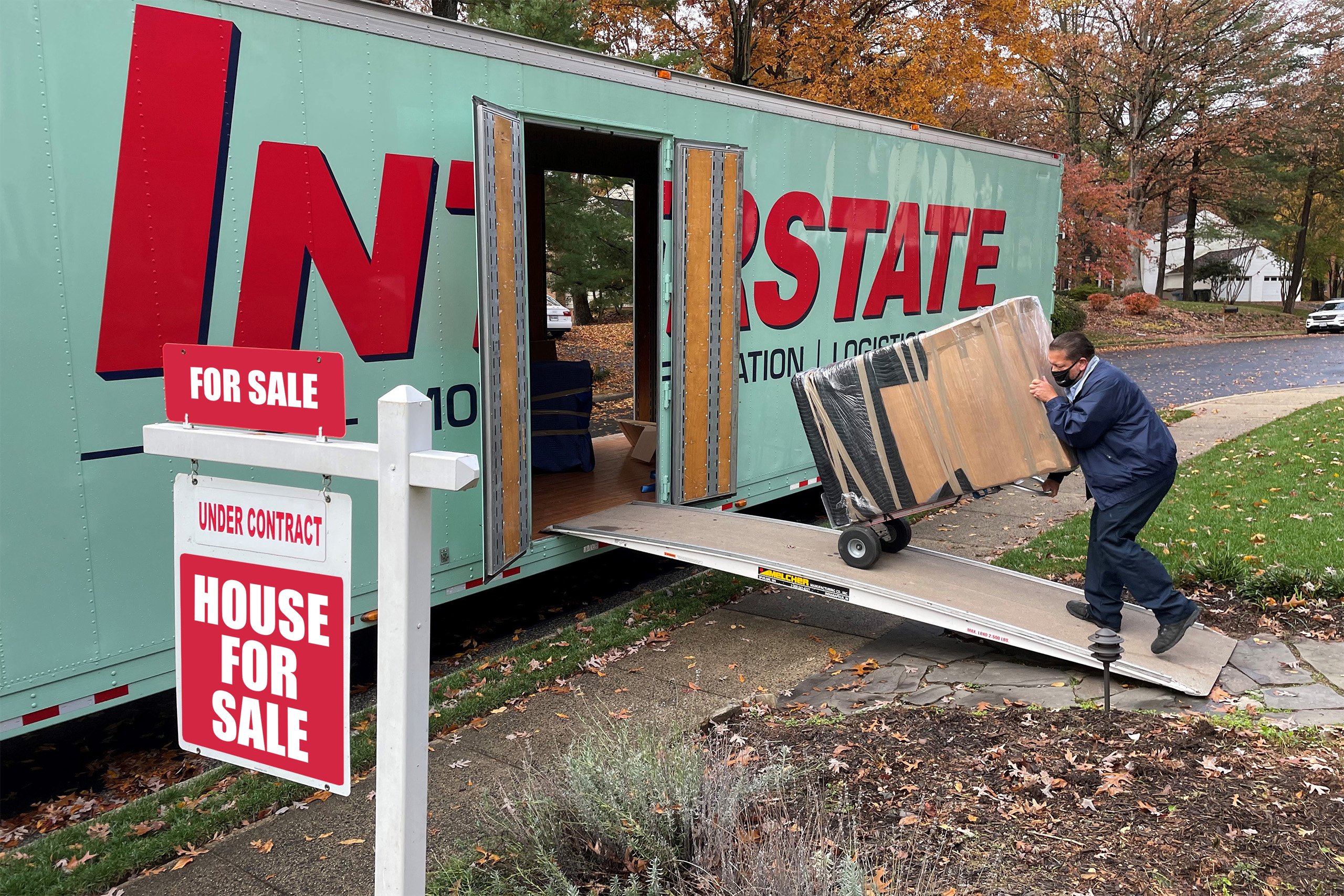
Government relocations can be complex. They’re also time-bound, very personal and expensive.

While the current surge in Omicron coronavirus cases has yet to result in the issuance of any new guidance on reentry to federal agencies, most agency heads are delaying the return to agency worksites and duty locations until they can provide employees and contractors with a safe return to the workplace.

The collective impact of the looming retirement tsunami, the “Great Resignation” and Workplace 2030 is making for a perfect storm that could fundamentally reimagine the role of relocation benefits in a modern federal workforce.

A December U.S. News & World Report article on 2022 housing market expectations is predicting that homebuyers, sellers, renters and investors can expect continued high demand for housing in the new year – driven by the shortage of existing homes for sale and the impact of supply chain, labor shortages and regulatory practices on new home construction. Rising interest rates, varying COVID-19 health and safety protocols by state and not knowing where to settle in a new area – along with the high demand for housing – can make for a very stressful move or relocation.