LegalEase Launches iPAT AI Tool for Managing Automotive Warranty Litigation in California
Company to demo product at upcoming MAPConnect warranty roundtable
Media Contact:
Kevin Aschenbrenner
kevin@rep-ink.com
250-294-8431

Media Contact:
Kevin Aschenbrenner
kevin@rep-ink.com
250-294-8431

If 2021 taught the legal world anything, it’s that the pandemic ushered in a whole world of legal tech that we now can’t do without. The uniqueness of post-pandemic work and environments brought with it existing and new tech created or repurposed just for remote legal processes and business workflows.

Your legal department is complemented by the work by vendors like outside counsel and law firms. To ensure that your legal department is at peak performance, and manage your vendor’s tasks and timelines, it’s beneficial to create a management system for vendors.
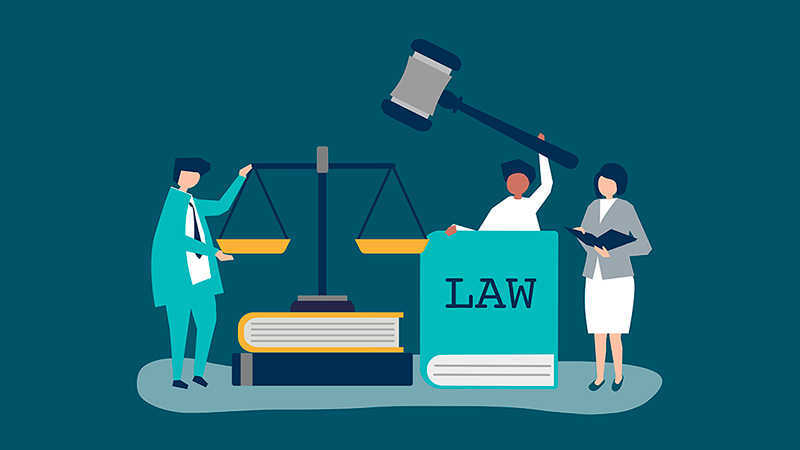
Legal services are de facto understood as “work done by a lawyer for a client”. Although this was somewhat true in the past, law has undergone a bifurcation into legal practice and legal services delivery. While practicing law is undeniably still only in the hands of lawyers, the delivery of legal services to clients has brought an interdisciplinarity onto the playing field, creating roles for technology, tech experts, and business professionals.

Legal departments juggle multiple practice areas, abiding by their company’s regulations, and managing day to day tasks. In addition, legal departments are responsible for reporting to internal stakeholders including management teams, and other legal departments. External stakeholders such as investors, outside counsel, and vendors rely on the call that legal departments take on business decisions as well.

“Many consultants and other experts say the pandemic has frayed relationships between legal departments and their corporate clients, in part because too many hybrid work environments are poorly structured.”

IoT devices on track to exceed 21.5 billion by 2025.– McKinsey Report
The latest in mobile connectivity, 5G brings with it impressive performance capabilities. With...

The proposed [FTC] rules target dealer control over the flow and timing of Information which enables them to add charges or change contract terms late in the purchase...
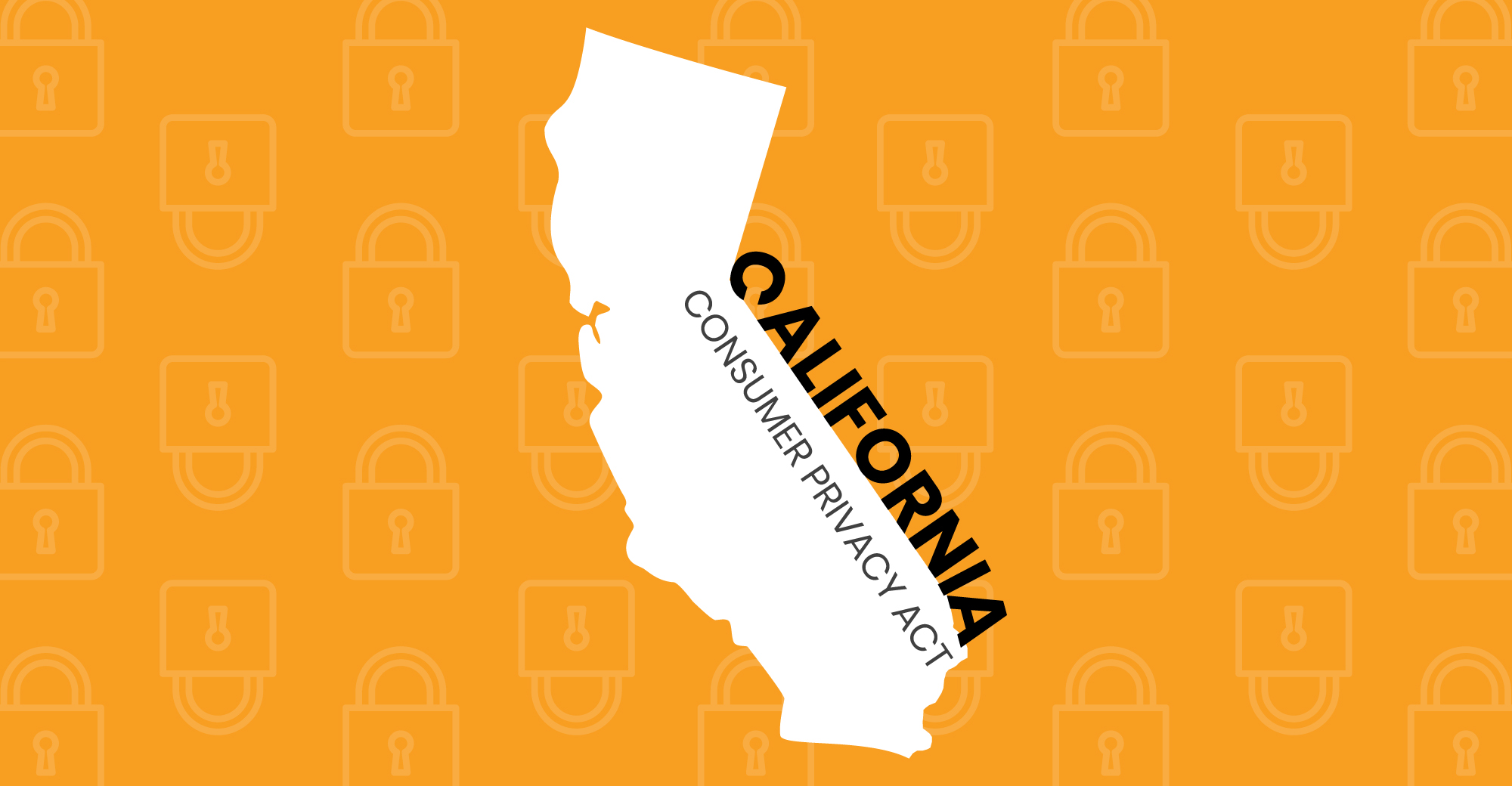
The State of California passed the Consumer Privacy Act of 2018 to allow California residents the right to not be the cynosure of all eyes. This privacy law protects the rights of consumers in California by regulating how businesses worldwide handle their private information and data.

The AI market growth trajectory makes a strong case for legal departments to force the pace of implementing the adoption of AI solutions if they no longer want to be considered as cost centers.