A Damage Prevention View of the Infrastructure Bill: Do you have enough and the right staff to withstand the impacts?
Written By: Tom Hall, Vice President of Business Development, KorTerra
Written By: Tom Hall, Vice President of Business Development, KorTerra

Written By: Matt Hill, Customer Success Manager, KorTerra
Written By: Jim Plasynski, Chief Revenue Officer, KorTerra

KorTerra, Inc., the market leader in damage prevention software for the underground utility industry, has appointed Brian Peters as Chief Product Officer. Peters will guide the strategic direction of KorTerra’s product portfolio, bringing expertise and vigor to this key leadership role.

For organizations that have damage prevention teams, identifying ways to reduce damages, maximize staff efficiency, and reduce costs is a central responsibility. The industry’s leading stakeholders have established a comprehensive set of best practices that empower their organizations to achieve operational excellence in damage prevention.

Did you know that the number of underground utility damages in the United States and Canada reached an all-time yearly high in 2019? According to CGA’s 2019 DIRT (Damage Information Reporting Tool) report, there were more than 450,000 damages throughout the year caused by a lack of safe digging. The number one root cause of damages to underground utility lines is failure to notify the one call center by placing a locate request before excavation begins. As a homeowner, there are numerous ways you can contribute to the protection of underground utility lines.
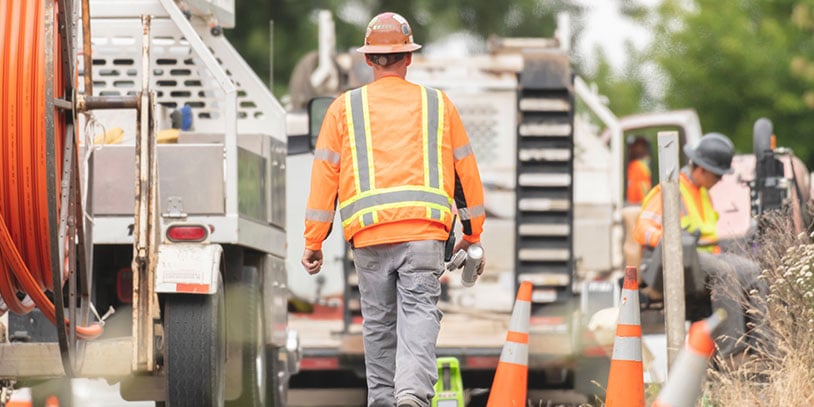
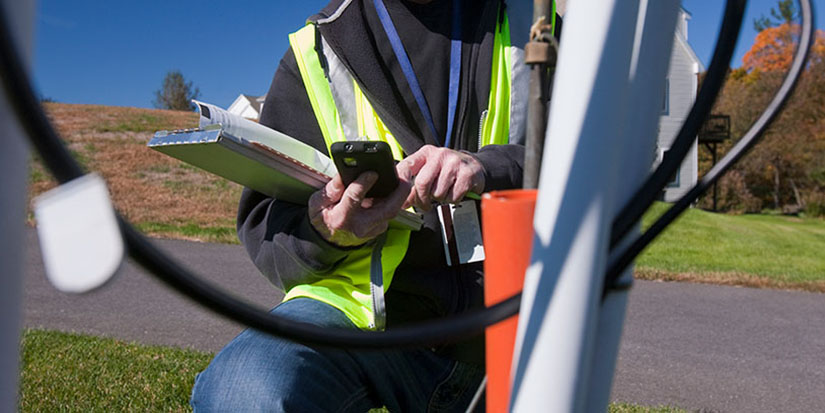
It is the responsibility of a utility locator to locate, identify, and mark underground utilities before any digging, construction, or other projects occur in an area. The day-to-day obligations of a professional utility locator are far more complex than placing flags in the ground or using spray paint to mark the presence of underground utilities. Utility locating requires the use of advanced observational skills, expert-level deductive reasoning, and troubleshooting mastery. To excel as a skillful locator, one must also be well-versed on the different equipment and technologies available to them.

Many utility companies are faced with the task of deciding whether their organization could benefit from screening locate tickets at some point. Screening tickets can be an extremely effective way for some to save both time and money. However, ticket screening is not necessarily the most fitting approach to ticket management for every company. It can be difficult to determine whether screening tickets is right for your specific situation, but it helps to consider a few key factors when making the judgment call.
One of the weakest links in the damage prevention industry’s one call process is ineffective communication. Effective communication with excavators depends on the entire communication chain, which begins with the One Call Ticket submission and continues through ticket completion.

The connection that exists between the damage prevention industry and the everchanging field of technology is significant. Advancements in either field naturally impact the other and both sectors evolve at a fast pace. The implementation of new technology within one call centers, utility locating, GIS/GPS, imaging, utility mapping, and excavation has an extraordinary influence on the state of damage prevention.