inogenalliance - KN

Decarbonization Pt 1: Energy Audits & Emissions Reduction

Decarbonization Part 1: Energy Audits and Emissions Reduction

Improving energy efficiency and decarbonization is critical for any business, and its importance is growing very quickly as global legislation changes. Carbon taxes, risk disclosures, and other initiatives increase the cost of carbon and can rapidly hurt the financial performance of your company. In this three-part series, Inogen Alliance will outline three ways to decarbonize. In this first post, we will examine ways to reduce your overall energy consumption and emissions by conducting energy audits. Our second post will educate you on how to buy energy from renewable sources from your local utility. The final post in this series will teach you about carbon offsets, how to buy them, and their limitations.


Read More

What is PFAS & Are PFAS Bad?

“Forever chemicals.” This is the ominous label often applied to PFAS (per- and polyfluoroalkyl substances), encapsulating both their functional utility and their harmful impact.  

Read More

The Importance of EHS Compliance

In these "new normal" days, environmental, health and safety (EHS) compliance isn’t the sole concern of most businesses—it’s just one part of running a healthy and productive company. But ongoing compliance is still an absolute must in order to run a safe and effective business, and EHS managers are faced with the daunting task of managing regulatory compliance across multiple facilities and functions, often without a lot of resources and now likely virtual in some capacity. Now is a great time to refocus and revisit your "pre-COVID" initiatives and goals.

Read More

What is ESG, and Why is it a Business Critical Focus?

Across the global corporate landscape, ESG (Environmental, Social, Governance) has become a business-critical focus as companies respond to and realize their role in financial, environmental, and societal concerns. To better understand this growing priority, read our blog What Is ESG Reporting and Why Is It Important?.

It is no longer a "nice to have" framework or future goal; it's now crucial to companies thriving in a world where external audiences, key stakeholders, and financial communities have a larger voice in how companies are making progress with ESG goals.

Below we share some ESG insights to help you understand why these criteria exist and how your company can align for future growth and sustainability.

Read More

Careers in EHS & Sustainability: A Growing Field

The field of Environmental, Health, Safety, and Sustainability (EHS&S, or simply EHS) is growing rapidly and based on our increasing population, climate change and limited global resources, will continue to do so in the future. According to the US Bureau of Labor Statistics, it’s projected to grow 8% in the next ten years, much faster than any other field - in part due to increased attention globally to environmental hazards and concerns. 

Read More

Global Water Challenges, Trends, and Solutions

Our global Antea Group water team sat together virtually to reflect back on 2020 and what a rollercoaster of a year it was. They all agreed that while COVID-19 dominated the headlines, significant attention has been placed on how society and governments are awakening to the realities of climate change. With the trends of warming temperatures, fast-melting polar ice, increased incidence and severity of extreme weather events, it’s clear that climate change is rearing its ugly head through the disruption of our planet’s water cycle. To further highlight this reality, we thought it would be timely to offer some global perspectives. In the full article, some of our water resource experts from around the world share trends they are seeing and offer solutions to get in front of these shared water challenges. 

Read More

Alliance for Water Stewardship: Sustainable Steward Network

Introduction

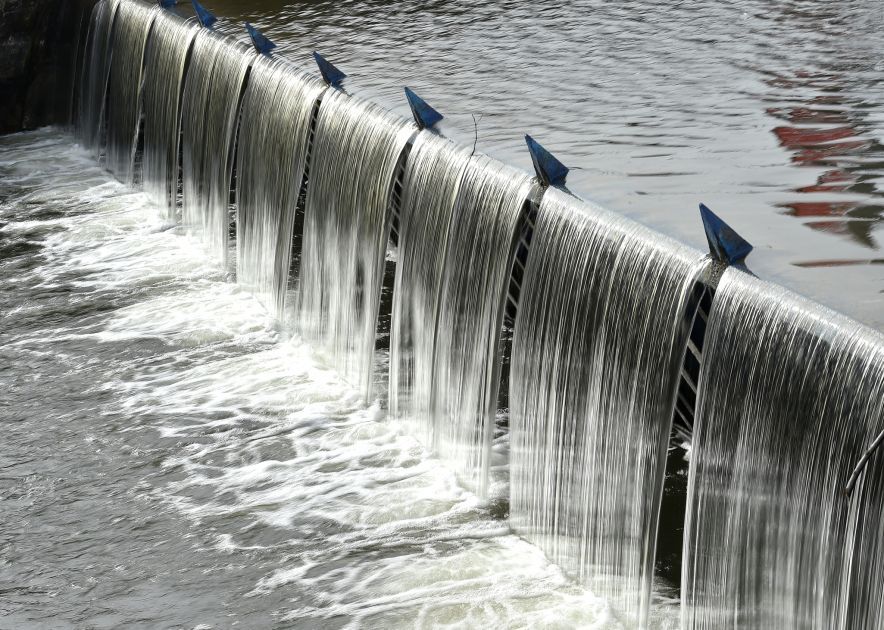
Water scarcity is recognized by the World Economic Forum as the largest global risk in terms of potential impact for both humanity and the environment. Growing populations and economies as well as global climate changes have provoked an increase in demand, competition and disputes over fresh water resources.

Read More