
By leveraging advanced features specific to the legal industry, law firms and arbitration centers can efficiently manage large caseloads while improving client...
Assessing current solutions and implementing new software will take a lot of manpower and will initially have an impact on the firm’s short-term profitability, but there will be a worthwhile return on this investment.
The legal industry has learned so much from recent events.
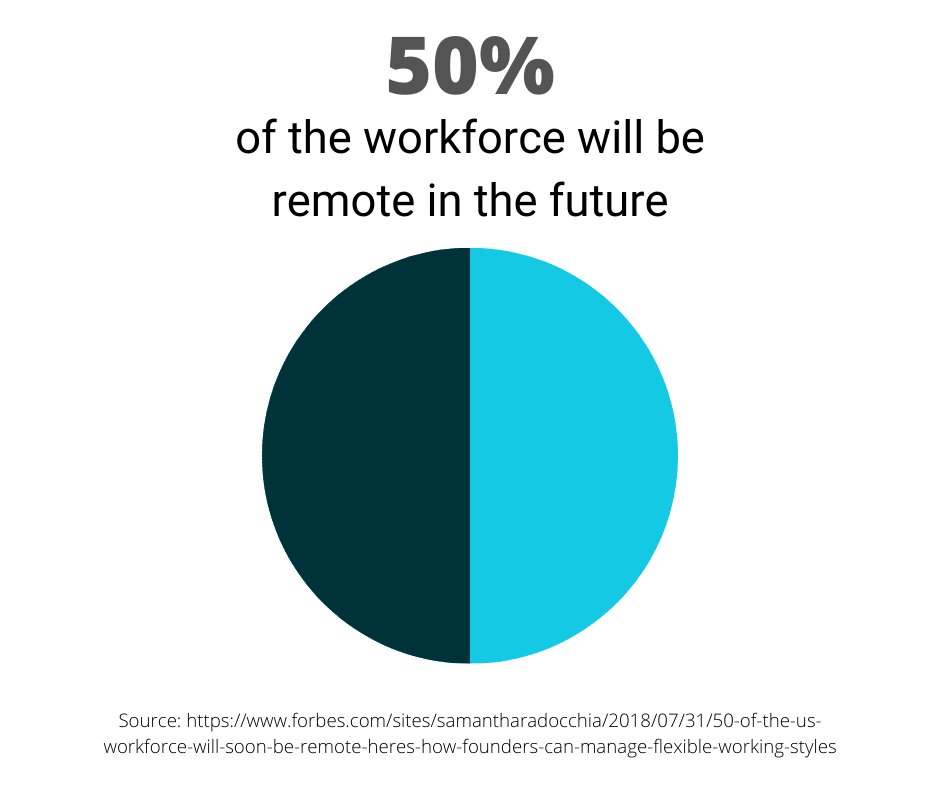
1. Employees can work remotely. Prior to the pandemic, approximately 30% of the workforce worked remotely. Now, in the midst of the pandemic, approximately 85% of the workforce is working offsite. Going forward, it is estimated that 50% of the workforce will continue to work remotely.
Due to this increase, it has become more important to ensure that remote workers are compliant with the firm’s technological policies. To this end, each firm should update their technology policy to include:
All employees should be required to read and sign the firm’s remote technology policy. This document must be updated on a regular basis and discussed with all employees and owners each time it is altered.
Firm leadership should continuously encourage employees to report anything they believe to be an issue, even if it turns out to be the employee’s mistake.
2. Firms can become more efficient, thereby needing fewer employees. While working remotely, many employees are becoming more technically advanced.
As teams return to the office, firm leadership should consider the following:
3. By working remotely, firms can save money on rent. As leases expire, tenants will probably require less space.
Firms should reevaluate space requirements for all locations, keeping in mind that it is expected that 50% of the workforce will probably continue to work remotely, and carefully consider the following:
4. Expect costs to shift from employee and rent to technology and software applications. Firms should reevaluate existing technology. Many firms will want to move to the cloud and employ integrated document management solutions.
In reevaluating technological structures, firm leaders should consider the following:
5. Expect travel to be reduced. Clients will probably not require as many in-person meetings, and retreats may be cancelled going forward.
In light of these changes, firms should carefully consider that:

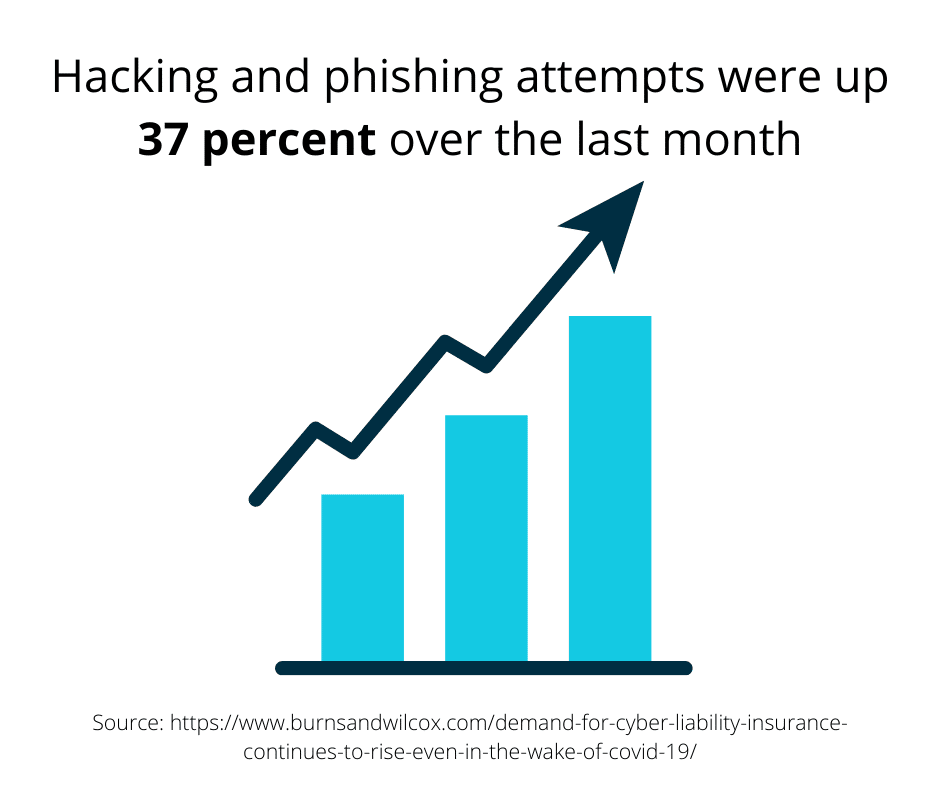
6. Expect cyber security insurance to become more necessary and premiums to increase. All cyber liability insurance policies and their premiums should be reevaluated.
In exploring policies, consider the following:
7. Expect taxes to increase. Employee taxes may be reduced as workforces are reduced. But, in the short-term, all taxes will probably increase to offset governmental shortfalls.
In light of these changes, it’s important that firms budget for additional taxes. Administrators should check with their accountants for guidance.
Because the landscape of most businesses is changing, the businesses that review and analyze specific aspects of their operations have a better chance of thriving than ones who may take the “we’ve always done it this way” approach.
Written by CARET Legal partner, Gail Ruopp. Gail Ruopp has acquired more than 25 years of professional experience in senior law firm management, initiating best practices in administrative operations, including: financials, accounting, lateral recruiting, personnel, day-to-day operations, systems management, and firm marketing.
By leveraging advanced features specific to the legal industry, law firms and arbitration centers can efficiently manage large caseloads while improving client...

Law firm leaders need to identify cloud-based tools that work not only for the firm’s employees, but also for clients and in some cases for business partners.