
Your trees are natural beauties and a testament to your dedication to your property’s landscape. But as the seasons change, so do your trees’ needs. Creating a seasonal ...
When you think about maintaining your property, tree care might be the last thing that comes to mind as a priority. However, the trees that add beauty and shade to your property can also pose risks if not adequately assessed and maintained.
Professional tree risk assessments provide a critical service, identifying potential hazards and offering solutions to mitigate them. This not only ensures the safety of your home and community but also preserves the health of the trees themselves.
This blog post on the importance of professional tree risk assessments sets the stage by defining them, detailing their importance, and explaining who should be particularly diligent about these evaluations. You can also read up on the assessment process, real-life examples, choosing the exemplary tree service, and strategic mitigation recommendations. Read on to find out more!

A tree risk inspection is a systematic process by certified arborists to evaluate trees’ health and stability. This assessment helps determine the likelihood of a tree failing and its potential to harm or damage people and property.
The process involves a visual inspection and may include advanced diagnostic techniques, such as aerial drone surveys and seismograph tests, to measure wood density and detect internal decay.
Neglecting the health of the trees on your property can lead to severe consequences. Unstable trees can succumb to weather conditions, causing damage by falling limbs or toppling during storms.
For example, a mature tree with a failing root system could become a hazard during high winds, posing a severe risk to your home, vehicles, and personal safety. Identifying these risks early can prevent potential injuries and avoid costly damages.
Read on for the benefits associated with professional tree risk assessments, emphasizing safety and aesthetic, economic, and environmental advantages.

Beyond the fundamental safety benefits, professional tree risk assessments can significantly enhance your property’s aesthetic appeal. Well-maintained trees are safer and more attractive, positively affecting your property’s overall curb appeal. This is particularly important if you are considering selling your property, as healthy, vibrant trees can be a compelling feature that attracts potential buyers.
Investing in regular tree risk assessments is integral to your trees’ long-term health and sustainability. Arborists can spot signs of disease, infestation, and environmental stress that, if addressed promptly, can prolong the life of your trees. These evaluations identify risks and provide insights into your trees’ nutritional and environmental needs.
Professional tree risk assessments help prevent property damage and personal injury. Regular inspections can identify hazardous conditions before they lead to accidents, saving you from unexpected headaches and financial losses.
Taking proactive steps based on the outcomes of tree risk assessments can prevent the development of more severe problems that are costlier to address. You can maintain your trees’ structural integrity and health by implementing preventive strategies.
Preserving existing trees, especially mature ones, can offer significant economic advantages by enhancing property values and reducing landscaping costs. Mature trees are desirable for homebuyers and can increase property values by up to 20%.
Many areas have regulations requiring property owners to maintain the safety of their environment, including trees. Regular risk assessments ensure compliance and avoid legal issues.
Anyone responsible for land with trees could benefit from regular risk assessments, especially if those trees are large, old, or located near buildings or public spaces.
Homeowners, commercial property managers, and municipal authorities should all consider implementing a tree care plan that includes professional assessments to manage these natural assets responsibly.

A professional tree risk assessment typically begins with a thorough visual examination to identify signs of distress or potential hazards. Arborists use a variety of tools to enhance their evaluations, including:
Note: These tools enable arborists to make informed decisions about the necessary interventions to mitigate risks effectively.
A homeowner noticed fungi growing at the base of a large oak tree. A professional assessment revealed significant root decay, which posed a risk to the house directly adjacent to the tree. The arborist recommended specific soil treatments and partial root removal to preserve the tree safely, averting potential property damage.
Several aging pines posed a risk to school buildings and play areas. Regular risk assessments allowed for the strategic pruning and cabling of these trees, significantly reducing the risk of limb failures and ensuring the safety of the school children. These examples highlight how timely interventions following professional assessments can prevent injuries and property damage, affirming the value of these services.
Selecting a qualified tree service company is crucial for effective tree risk management. Here are some factors to consider:

Based on the findings of a tree risk assessment, an arborist may recommend various interventions to mitigate identified risks. Common recommendations include:
Note: Implementing these strategies can significantly reduce the likelihood of tree failure, enhancing safety and prolonging the tree’s life.
Professional tree risk assessments are essential for anyone managing trees on their property. These assessments ensure the safety and health of your trees and protect your property and the people around them.
Regularly scheduled assessments by certified professionals can prevent significant damages and reduce liability, making them a wise investment for the future health of your trees and the safety of your community.
Consider partnering with a skilled tree service contractor if you oversee trees in any capacity. They can provide the expertise to manage these natural assets responsibly and effectively.
Remember, the cost of an assessment is minor compared to the expenses of emergency tree removal or damage repairs after a storm. Protect your assets and ensure your property remains a beautiful, safe environment for everyone to enjoy.
Your trees are natural beauties and a testament to your dedication to your property’s landscape. But as the seasons change, so do your trees’ needs. Creating a seasonal ...
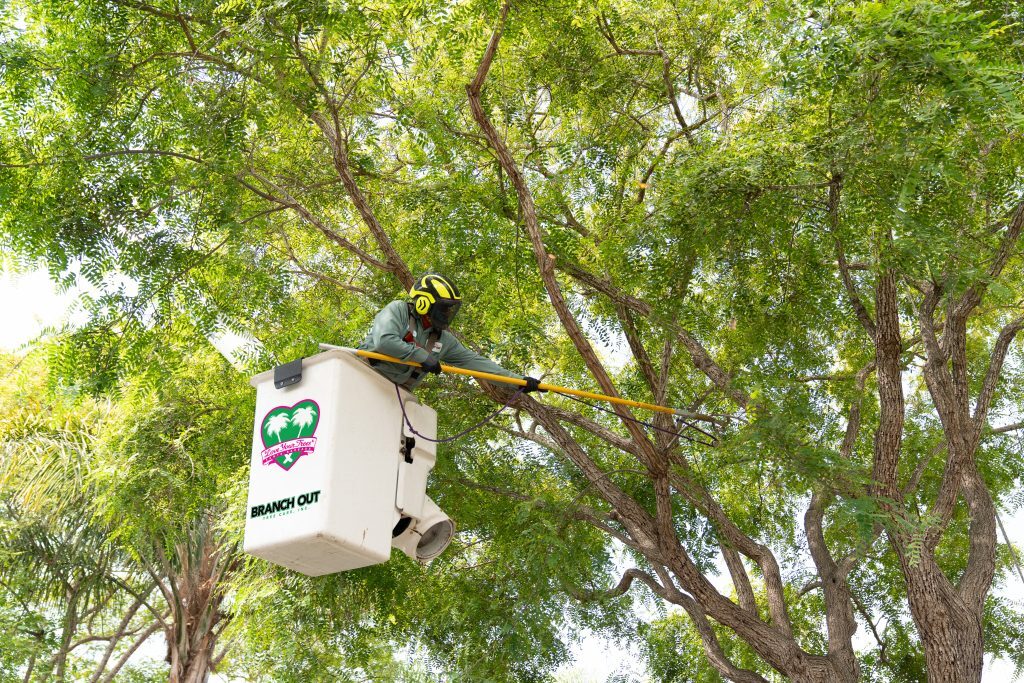
Tree trimming is a paramount aspect of tree maintenance that directly impacts your trees’ health, appearance, and safety. But when’s the best time to trim your trees?...