Texas is known for its unpredictable weather, and when a heavy downpour strikes, it can leave a trail of destruction in its wake. Knowing when you need storm damage repair is crucial to maintaining the safety and integrity of your home. In this guide, we’ll explore the telltale signs that your property may have suffered storm damage and needs urgent attention.

1. Visible Roof Damage
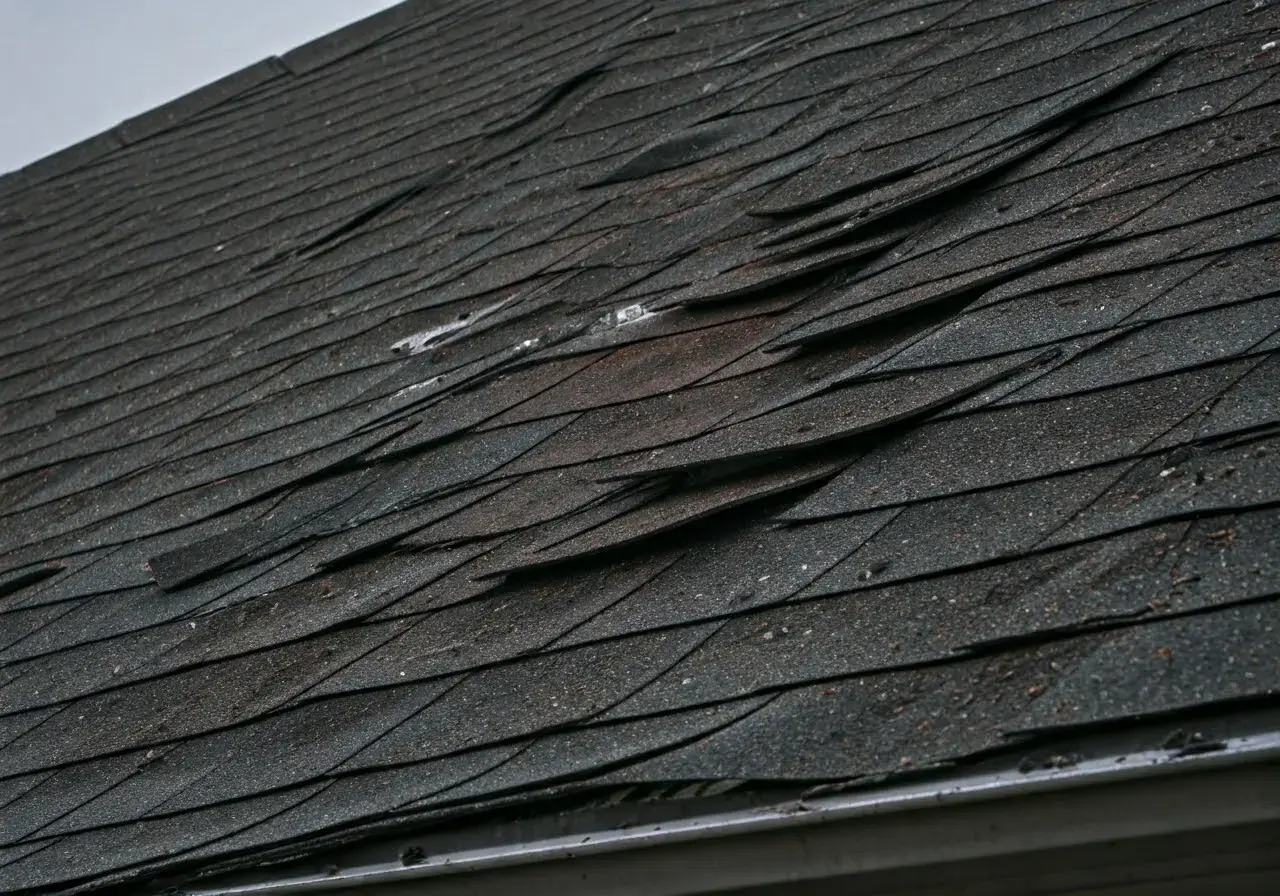
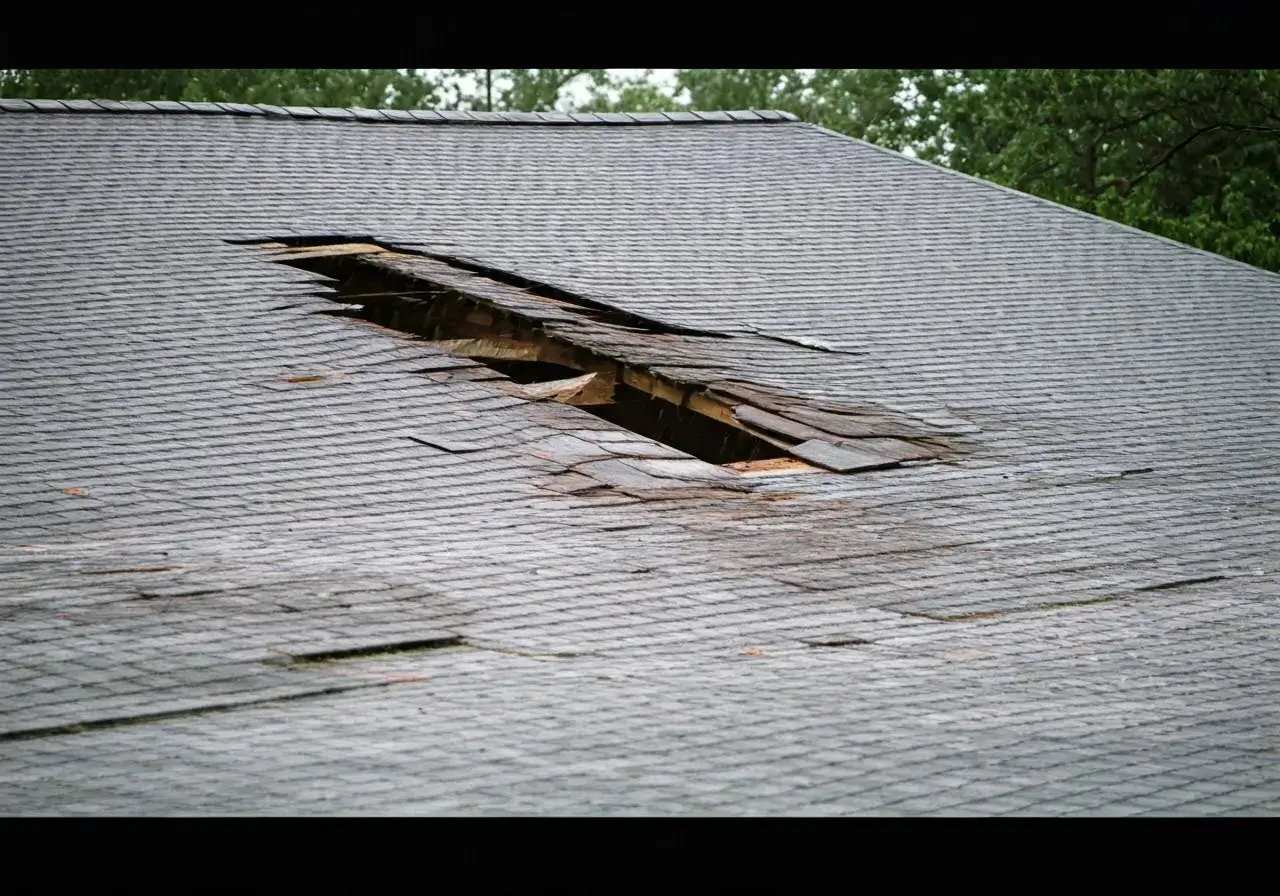
After a storm, check your roof for missing shingles, tiles, or other visible signs of damage. These can indicate that the roof is no longer effectively protecting your home from the elements. Shingles, in particular, serve as your home’s first line of defense against water entry. Their absence or damage can lead to leaks, culminating in severe water damage if not addressed promptly. You might find these issues during a regular inspection or immediately after a significant storm event.
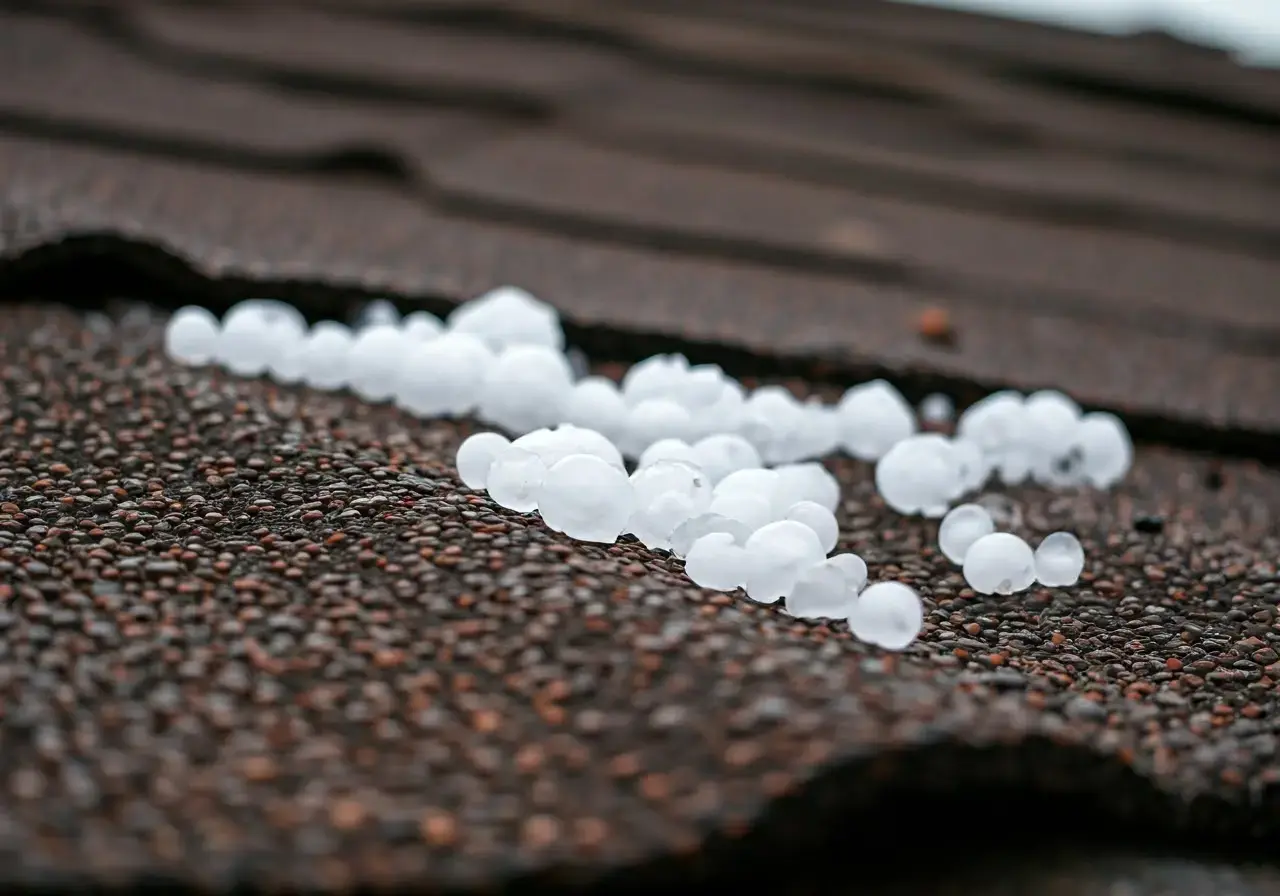
Hailstorms are notorious in Texas and can leave numerous dents or even punctures in your roofing materials. When you observe irregularities like dimples on asphalt shingles, it’s a likely indicator of hail damage that needs attention. According to the Complete Guide to Storm Damage Repair for Your Home, understanding the nature of such damage helps in developing a quick response to fix and reinforce roof stability.
2. Unusual Ceiling Stains
Water stains or discoloration on your ceiling can be a clear sign of a leaking roof. Address this immediately to prevent further structural damage and mold growth. Ceilings may develop a yellowish or brownish hue, signaling possible water infiltration and increasing the risks of mold development, which poses health risks to your family. Quick attention to these signs is necessary to avoid more extensive damage.
Leaky roofs resulting in ceiling stains are often due to storm-induced displacements or breakages in the roof structure. Spotting such leaks early can prevent significant deterioration. Check areas around light fixtures or ceiling corners where water tends to pool or seep through. A proactive approach can save substantial amounts in repair bills down the line.
3. Water Pooling Around Foundation
Standing water around your home’s foundation can be a precursor to more serious issues such as basement flooding or foundation damage. When rainwater accumulates excessively, it can undermine structural integrity by eroding soil and causing cracks or shifts in the foundation. Immediate intervention, such as redirecting water away from the structure or installing better drainage systems, may prevent long-term consequences.
The risk of foundation damage is exacerbated when water collects without adequate drainage. Regular post-storm inspection of your property’s perimeter can reveal standing water and help you tackle it, thus safeguarding your home’s foundational stability. Actions like adding shrubbery for natural water absorption or repairing clogged drainage systems can make a significant impact.
4. Damaged Siding
High winds and debris can cause dents, cracks, or holes in your siding, compromising your home’s insulation and appearance. The siding acts as a barrier protecting against harsh weather elements. Any breach invites further structural risks and can lead to energy inefficiencies, elevating heating or cooling costs.
Widespread damage to siding is not uncommon after major wind events. Broken or missing pieces will allow moisture to infiltrate walls, resulting in potential mold issues or wood decay. Regular maintenance, coupled with immediate post-storm inspections, ensures mitigation of these issues. More helpful guidance can be found in Preparing Your Roof for San Antonio’s Toughest Weather: Storm Damage Repair Insights.
5. Gutter Leakage or Blockage
Gutters that overflow or leak can cause water to cascade onto your roof or foundation, leading to extensive water damage if left unchecked. Gutters channel water away from your home, but blockages from debris can reroute this water disastrously. After any severe weather, inspect gutters and downspouts to ensure they function correctly and make repairs as necessary.
Ignored gutter issues could lead to damaged eaves or compromised siding, escalating repair costs over time. Regular cleaning and prompt clearing of any visible clogs will help maintain them. For persistent problems, professional assistance is worthwhile, potentially averting larger issues from emerging.
6. Cracked or Broken Windows
Storms can break your windows or cause chips and cracks. This not only poses a safety risk but also affects your home’s energy efficiency by allowing drafts and moisture to enter. Addressing window issues quickly can mitigate these potential impacts, providing a more secure and efficient home environment.
The presence of cracked windows also reduces the overall security of your property against intruders. They can serve as weak points for forced entry, requiring urgent repair. Consider stronger, storm-resistant windows during upgrades to enhance your home’s durability against future Texas thunderstorms.
7. Fallen Branches and Debris
After the storm subsides, inspect your yard for tree limbs or debris that may have caused direct damage to your home or vehicles. Clearing large debris minimizes risks of future impacts and helps in evaluating further damage potentially hidden by obstructions. Proactively managing tree health in your yard can also prevent severe damage during storm events.
Branches and debris can create blockages that exacerbate drainage issues, requiring quick removal. Strengthening trees and regular pruning minimize the likelihood of branches being dislodged during storms, lessening their potential as hazards.
8. Flickering or Out electrical Outages
Electrical problems like flickering lights or power outages could be a result of storm damage to your wiring or power lines. Such issues may increase the risk of electrical fires and typically require professional electrical inspection and repairs.
Power surges from lightning strikes can also damage appliances and systems in your home, imposing more repair costs. Use surge protectors to mitigate risks and, if experiencing persistent electrical issues post-storm, seek professional advice immediately.
9. Sudden Pests Infestation
An increase in pests can indicate cracks or openings in your home due to storm damage, allowing them entry. Pests not only pose health risks but can also degrade your home’s structure further. Immediate attention is needed to close any possible entry points and address the pest issue.
10. Signs of Mold or Mildew
The presence of mold or a musty smell in your home after a storm could suggest water intrusion and requires immediate remediation. Mold thrives in moist environments and can spread rapidly if not addressed and cleaned with appropriate interventions, emphasizing the need for fast and thorough responses.
Aside from damaging the aesthetics of interiors, mold can be hazardous to health, particularly affecting those with respiratory issues. Professional assessment and restoration techniques will be necessary to ensure a comprehensive solution as discussed in What is Storm Damage Repair?.