Roof leaks can be a homeowner’s nightmare, especially during the rainy season. Living in San Antonio, where weather can be quite unpredictable, understanding roof leak repair becomes crucial for maintaining your home’s integrity. This guide will walk you through the basics of identifying and fixing roof leaks with ease.

Common Causes of Roof Leaks
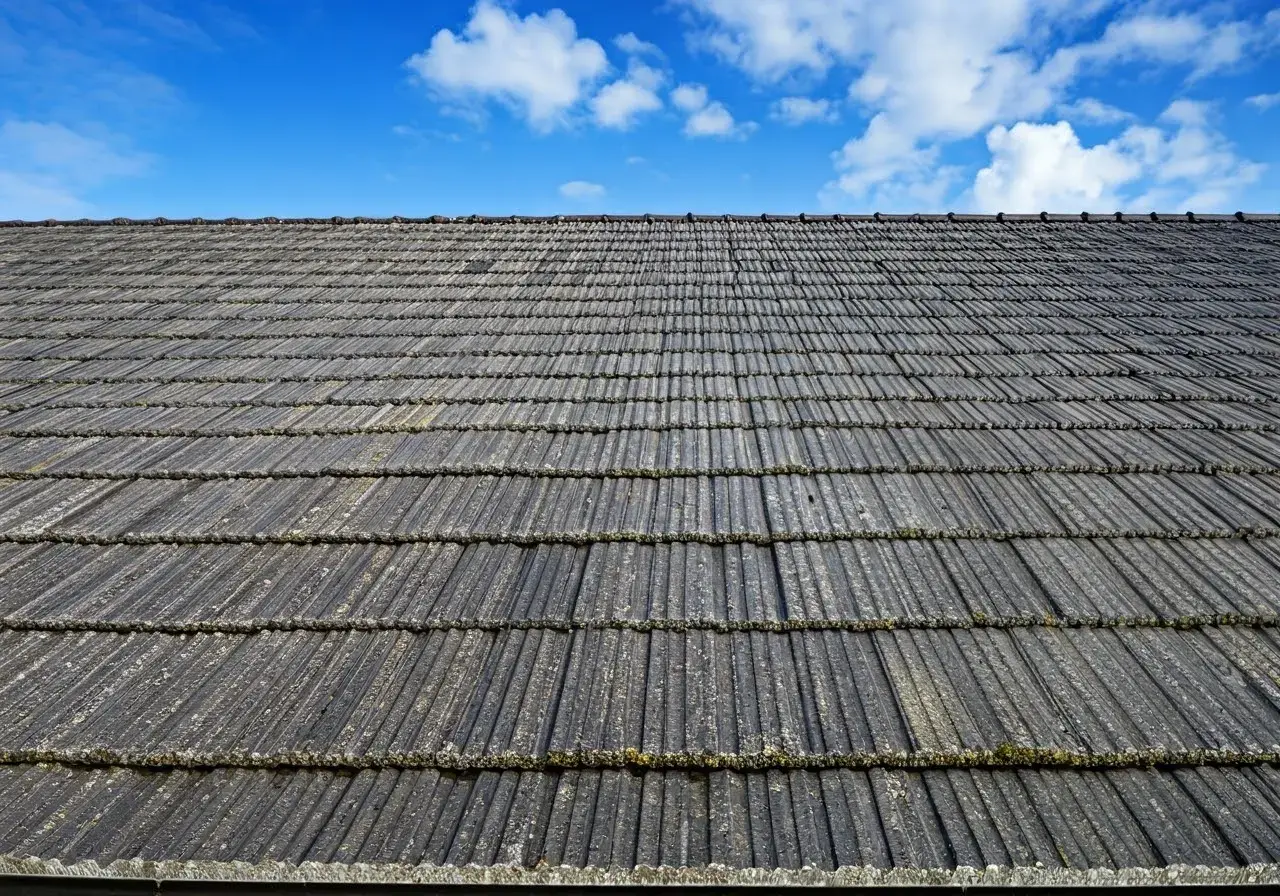
Understanding the common causes of roof leaks can help prevent them from occurring in the first place. In San Antonio, leaks often result from damaged shingles, clogged gutters, or aging roof materials. Especially during the intense weather changes, shingles can crack or dislodge, creating openings for water penetration. Additionally, improperly installed skylights or flashing around chimneys can become culprits. It’s crucial to regularly inspect these elements, particularly after severe weather events, which are frequent in this region. Awareness of potential weak points can significantly extend your roof’s life and reduce repair costs.
Another major factor behind roof leaks is poor maintenance habits. Over time, debris such as leaves and twigs can accumulate in gutters, hindering proper water drainage and leading to overflow and eventual roof damage. Neglecting to clean gutters regularly can exacerbate these problems. Aging materials, like worn out rubber seals or corroded flashing, also increase leak likelihood. Spotting these vulnerabilities early on, perhaps with the help of a trusted roofing company, could save homeowners from more significant issues down the road.
How to Identify Roof Leaks
Spotting a roof leak early can make a big difference in repairing it before substantial damage occurs. Water stains on ceilings or walls, damp spots, and musty odors are some telltale signs to look out for. A walk around your home’s perimeter can reveal other signs, such as moss or mold on exterior walls. Checking the attic can also be enlightening: look for light coming through the roof boards or damp rafters that indicate moisture is seeping through. By identifying these signs swiftly, you can take preventive actions before the damage becomes extensive, especially with San Antonio’s unpredictable weather patterns.
Additionally, performing regular roof inspections, ideally after significant weather events, can help in early leak detection. During these inspections, pay close attention to your roof’s surface for dark streaks, which could indicate that asphalt granules are washing away, leaving your roof vulnerable. Sometimes, leaks are not in direct line with the water drip inside. Water can travel along roof panels, making the actual source of the leak challenging to pinpoint. If the source isn’t easily identifiable, seeking assistance from professionals, like when you’re considering roof repair, might be wise.
Essential Tools for Roof Repair
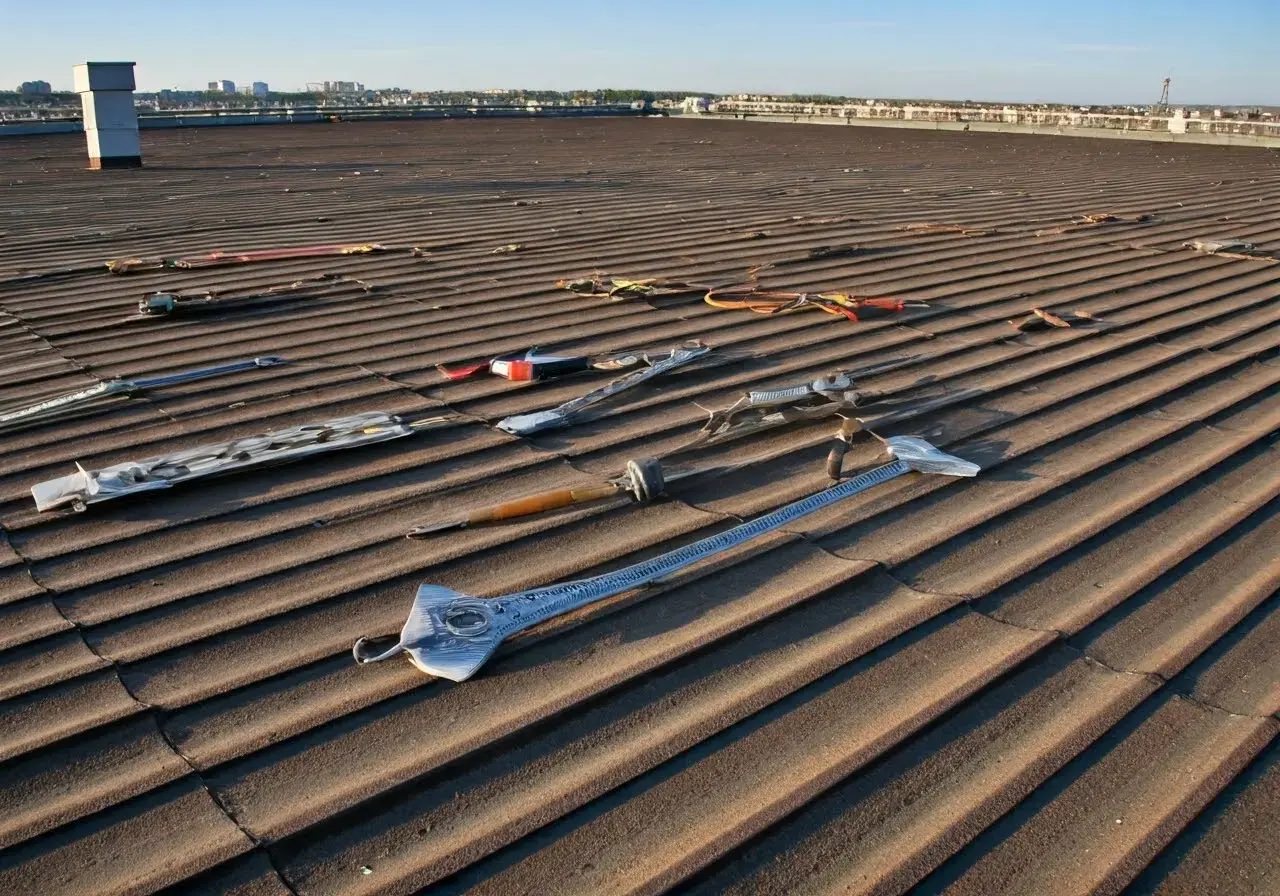
Having the right tools can simplify roof leak repairs significantly. Common tools include a ladder, roofing cement, a caulking gun, and roofing nails. Utilize a durable pair of work gloves for protection and a roof harness for safety, particularly when working on steep or high-pitched roofs. A utility knife or roofing scissors are indispensable for trimming shingles or making precise cuts in materials. A reliable trowel can help in spreading roofing cement evenly. For identifying leak sources, you may also consider a non-invasive moisture meter or thermal imaging camera, which provides insights that aren’t visible to the naked eye.
It’s not just about the tools; understanding their correct application is essential. For example, using roofing cement effectively requires a knowledge of how to apply it to ensure a watertight seal. Having spare shingles or a roll of roofing tape can be lifesaving for quick fixes, particularly during unexpected weather conditions. Also, an extendable rake or broom becomes your ally in clearing off branches and leaves without having to step onto the roof frequently. These essentials, combined with a bit of knowledge on maintenance, can empower you to handle minor repairs confidently and postpone more extensive interventions.
Step-by-Step Guide to Fixing a Roof Leak
Repairing a roof leak involves several steps: locating the leak, cleaning the area, applying roofing cement, and securing loose shingles. This section will guide you through each step to ensure a successful repair. Begin by carefully pinpointing the leak’s source during daylight, using a hose to mimic rain if necessary. Clear away leaves, dust, or debris around the leak area, ensuring a clean working surface. Utilize roofing cement to seal small cracks or holes, using your trowel for even application, and replace or secure any displaced shingles with nails and adhesive. Regularly check your work during dry spells to ensure the fix remains stable before a significant storm.
Consider maintaining a repair kit specific to your roof’s material, whether shingle, metal, or tile, as each requires different methods. For instance, metal roofs might need screw-tightening or sealant application, whereas shingle roofs involve more adhesive work. Pay attention to overlapping joints or seams, as these are common moisture entry points. Remember, some repairs are temporary and might require professional follow-up. Frequent evaluations of the work over the following weeks can provide peace of mind, and enlisting the expertise of a reliable roof repair service if the problem persists is always advisable.
When to Call a Professional Roofer
While DIY repairs can be effective, some situations require professional expertise. Learn when it’s best to seek the help of a professional roofer to ensure the job is done safely and effectively. If your roof has suffered from significant storm damage or substantial leaks, or if you notice structural sagging, it’s time to call in the experts. Such scenarios often go beyond basic patchwork and involve in-depth structural assessments and extensive repair efforts, something better left to those seasoned in roof restoration.
Additionally, consider professional intervention when you encounter persistent leak issues or if your roof is nearing the end of its lifespan. Experienced roofers bring specialized equipment and a wealth of industry knowledge ensuring comprehensive assessments and fitting solutions. They also provide valuable advice on preventative maintenance and offer insights into the latest roofing trends suitable for San Antonio’s dynamic climate. Harnessing their expertise not only resolves immediate concerns but also secures long-term resilience for your home.
Remember, navigating insurance claims is another area where professional assistance is invaluable. Roofers familiar with this process can help document necessary details and communicate effectively with insurance adjusters. By opting for professional services when needed, you ensure not only the integrity of repairs but also safeguard against future complications, giving you unbeatable peace of mind. Rely on experts like those at Atrium Roofing for tailored and reliable roofing solutions.
Staying Ahead of Roof Leaks in San Antonio
With these basics in hand, you’re now better equipped to tackle roof leaks and protect your home from potential damage. Remember, early identification and repair can save you time and money in the long run. So, don’t wait until the next storm—make roof maintenance a priority today.