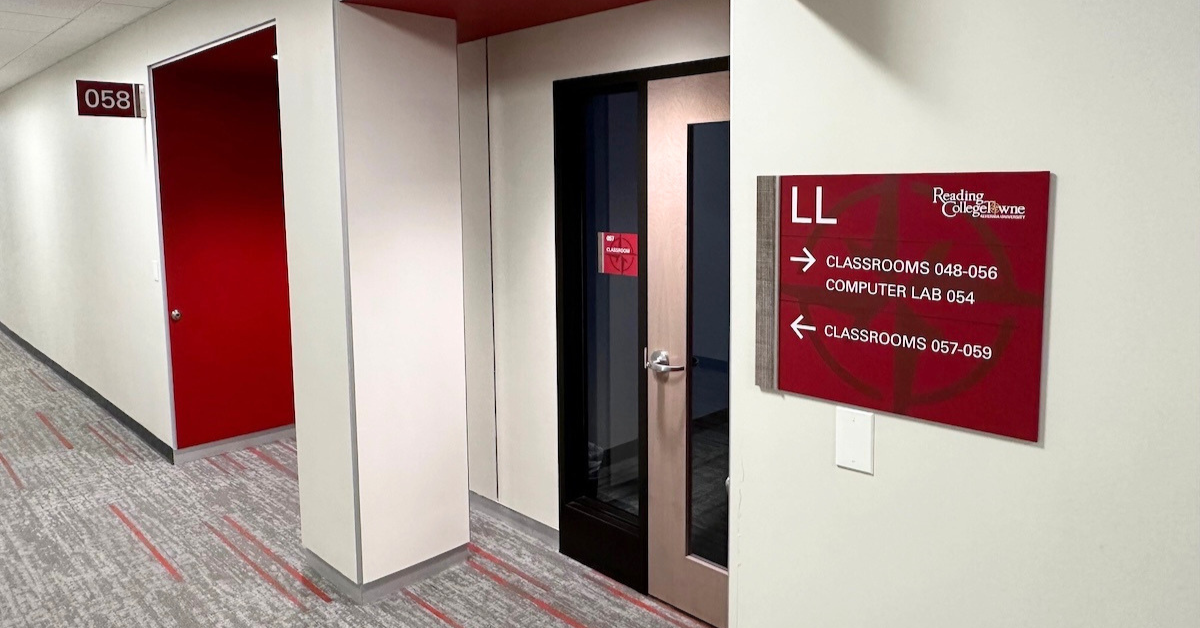
Large campuses can be difficult to navigate, especially for first-time visitors. Schools, universities, healthcare campuses, and corporate complexes often span multiple...

The guest experience begins long before someone reaches their room or takes a seat in the lobby. It starts the moment they step onto the property, and one of the most important elements shaping that experience is hotel wayfinding signage. Without clear, consistent, and accessible signage, even the most beautiful hotel design can leave guests feeling confused or frustrated. Hotels depend on strong wayfinding systems to guide visitors effortlessly through check-in, elevators, amenities, meeting spaces, and more.
Hotel wayfinding signage is more than arrows and room numbers. It is a complete communication system that blends design, accessibility, brand identity, and guest comfort. In today’s hospitality industry, with properties becoming larger, more modern, and more experiential, the need for a reliable ADA-compliant wayfinding has never been greater. When hotels invest in the right signage, they enhance not just navigation but the entire guest journey.
The Americans with Disabilities Act establishes accessibility requirements across public spaces, and hotels are no exception. ADA rules ensure that every guest, regardless of ability, can move independently and safely throughout the property. Because hotels often include long corridors, multiple floors, dining areas, event spaces, and recreational amenities, hotel wayfinding signage must be reliable and predictable.
ADA compliance is not simply about following regulations. It is about creating dignity and independence for all guests. A hotel must ensure that those with visual impairments, mobility challenges, or cognitive differences can navigate the property without needing constant assistance. This is especially important in high-traffic environments, where guests expect clarity and speed in their movements.
Reliable hotel wayfinding signage is a silent partner in guest satisfaction. When guests can confidently find their room or a conference area, their stress decreases, and their trust in the hotel increases. ADA guidelines make this possible by outlining how tactile lettering, braille, contrast, lighting, and placement must function.
ADA rules specify how certain permanent signs must be designed and installed. These include signs for restrooms, room numbers, exits, stairwells, offices, utility spaces, and various other permanent rooms. ADA-compliant hotel wayfinding signage must follow guidelines for tactile lettering, braille placement, contrast, finishes, and mounting height.
Key ADA requirements include:
Directional signs for hallways or amenity areas do not always require tactile lettering but must still be readable, high-contrast, and placed at heights that align with accessibility best practices.
These rules ensure that hotel wayfinding signage is intuitive and approachable for all guests. Whether someone is navigating by sight, touch, or a combination of both, ADA standards ensure a smooth and equitable experience.
Wayfinding plays a central role in how guests perceive a property. When someone arrives at a hotel, they depend on signage to find check-in, locate elevators, reach their room, and access amenities such as the pool, gym, business center, or meeting rooms. Without clear hotel wayfinding signage, even a beautifully designed hotel can feel challenging to navigate.
Hotel wayfinding signage reduces cognitive load by anticipating decisions before guests make them. This prevents confusion and reduces the need for staff intervention. Well-designed wayfinding enhances efficiency, comfort, and confidence, especially for guests who may be unfamiliar with the environment.
Hotels with clear and consistent signs benefit from:
Good wayfinding is almost invisible. When it works well, guests barely notice it. When it fails, the guest experience suffers immediately.
Signage in a hotel is not just functional. It plays a major role in reinforcing brand identity. Hotel wayfinding signage should reflect the tone, personality, and aesthetic of the property. A luxury resort will use different signage materials than a boutique bed-and-breakfast. A family-friendly hotel will take a different approach from an executive-focused business hotel.
Material choice, color palette, typography, lighting, and architectural integration all influence the way guests experience the brand. When hotel wayfinding signage is consistent from the lobby to the elevators, hallways, restaurants, and room entrances, it creates a cohesive visual experience. Inconsistent or outdated signage weakens brand credibility and creates a fragmented journey.
Hotels should ensure that every sign feels like part of the same visual language. This includes ADA-compliant signs, which can be customized in color, texture, and material while still meeting all accessibility requirements.
Many designers worry that ADA rules restrict creativity, but modern fabrication techniques make it possible to combine compliance with attractive design. Hotel wayfinding signage can be crafted from a wide range of materials, including acrylic, metal, wood laminates, glass, or photopolymer.
As long as ADA rules are followed, properties can choose finishes that complement their style. This allows hotels to maintain brand alignment without sacrificing accessibility. Non-glare matte finishes, required for ADA compliance, often support a cleaner, more modern look that blends well with high-end interior design.
Lighting also plays a role. Soft backlighting, edge illumination, or ambient lighting can increase visibility and create visual interest. Thoughtful lighting helps hotel wayfinding signage stand out without overwhelming the space.
A hotel’s signage system must be carefully planned before fabrication begins. Wayfinding is not something that should be handled sign by sign. It must be approached as a complete communication network across the entire property.
The planning phase often includes:
A successful hotel wayfinding signage plan reduces confusion and helps guests feel comfortable and oriented at all times. It also reduces operational challenges by minimizing the number of guest questions related to navigation.
Hotels require many different types of signs to support guest movement and safety. While designs vary, most properties depend on several core categories of hotel wayfinding signage.
Guest room numbers, meeting rooms, offices, staff-only areas, and utility rooms must have ADA-compliant tactile signs.
Signs with arrows and clear text guide guests through hallways, corridors, lobbies, and common areas.
Hotels must clearly mark pools, gyms, restaurants, lounges, spas, business centers, and event spaces.
Exit signs, stairwell identification, emergency instructions, and evacuation maps are required for safety and compliance.
Menus, schedules, check-in instructions, parking guidance, and policy notices all support the guest journey.
Each type of hotel wayfinding signage contributes to a complete and intuitive navigation system.
Digital displays are growing rapidly in hospitality environments. They offer the ability to update information instantly, display schedules, show event room assignments, and guide guests to the correct meeting areas.
Digital hotel wayfinding signage is especially helpful for:
Digital tools do not replace ADA signage but work alongside it to improve clarity and flexibility.
Guests want ease and comfort throughout their stay. When hotel wayfinding signage is clear, consistent, and attractive, guests have a better experience across the board. They feel more welcome, more confident, and more capable of navigating on their own.
Strong signage contributes directly to guest satisfaction by supporting:
Properties with well-executed wayfinding systems often see higher review ratings and better guest feedback.
Hotel wayfinding signage is a specialized field. It requires knowledge of ADA rules, materials, lighting, fabrication techniques, and strategic planning. Working with professionals ensures signs are durable, compliant, and visually aligned with the hotel’s design.
Professional fabricators help with:
Quality fabrication ensures that each sign is built to last while supporting the property’s brand identity.
Hotel wayfinding signage is one of the most important tools for creating accessible, organized, and enjoyable guest experiences. ADA compliance ensures every visitor can navigate comfortably, while strong wayfinding design creates clarity and reduces friction throughout the stay. When hotels invest in a consistent, well-planned signage system, they improve both function and atmosphere.
Properties that take hotel wayfinding signage seriously demonstrate care, professionalism, and attention to detail. This investment pays off in guest satisfaction, operational efficiency, and long-term brand success.
If your hotel, resort, or venue is ready to elevate its guest experience with professional hotel wayfinding signage, L&H Signs can help bring your vision to life.
Want to stay up to date with the latest at L&H Signs? Follow us on Instagram and Facebook and connect with us on LinkedIn!
Large campuses can be difficult to navigate, especially for first-time visitors. Schools, universities, healthcare campuses, and corporate complexes often span multiple...
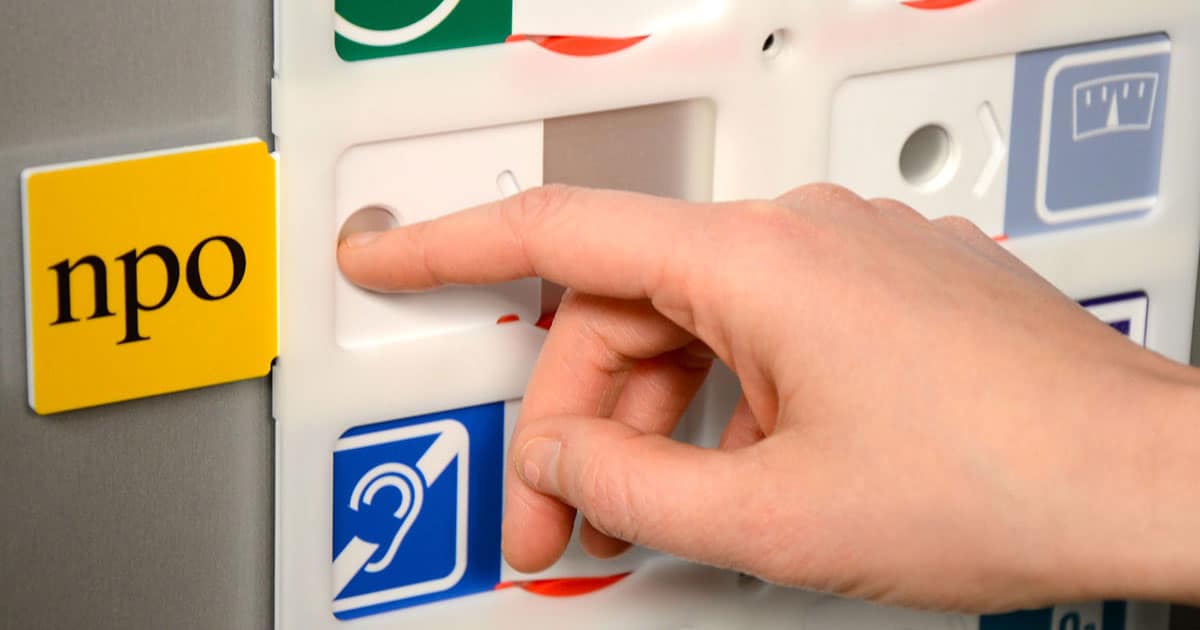
Patient room signage is a very important component in hospital settings, yet...