Sensory Room
How to spot a sensory seeker and what a sensory room can offer.
Sensory-Based Behaviors:
- Rocking in seat
- Bouncing
- Rip paper when writing
- Sitting on knees or feet
- Difficulty standing in line or near other kids
- Constantly touching other people or objects
- Walks on toes
- Fidgeting
- In constant motion
IF UNDERAROUSED…
- Stronger modalities
- Fast, regular, repetitive type movement
- Linear vestibular movement & deep-touch/ proprioceptive input
- Brightly lit rooms, colors, & fast rhythms & songs
IF OVERAROUSED…
- Inhibition techniques
- Slow, rhythmic, repetitive activities
- Deep-touch/ proprioceptive, resistive input
- Neutral warmth or swaddling
- Declutter & organize, low lighting, quiet enclosed rooms, slow rhythmic songs
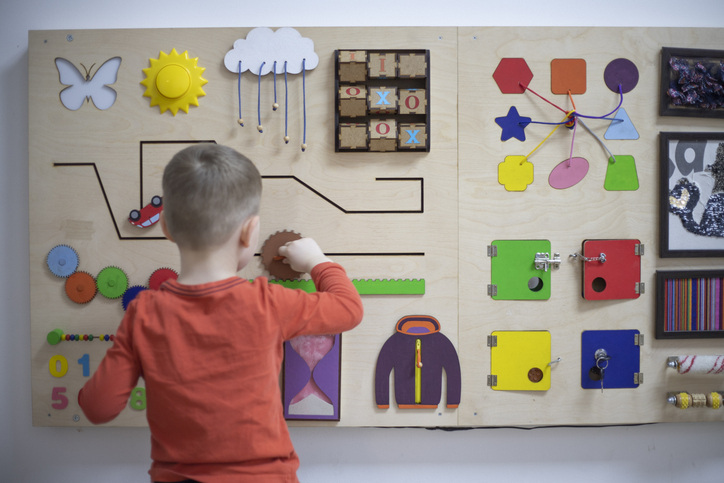
A Sensory Room is a therapeutic space designed with equipment and activities to meet the emotional, behavioral, and sensory needs of students.
A Sensory Protocol is a carefully designed, personalized activity plan that is tailored to the student’s sensory needs while using the sensory room.
The Super Self ™ Sensory Room
- A physically and emotionally safe and therapeutic space to address sensory regulation needs and support a trauma-informed school community
- Multi-disciplinary (OT, Behavior, Speech, Special Ed) collaboration
- A multi-tiered approach to self-regulation that addresses the whole child
- Equipped with tailored sensory equipment and activities that are designed to benefit specific sensory processing difficulties
- Meets students’ sensory, emotional, behavioral, and academic needs
The Outcomes
- Increased academic and social engagement
- Reduced disproportional identification
- Maximized inclusive practices through multi-tiered classroom and school-based programming
- Increased participation within the least restrictive environment