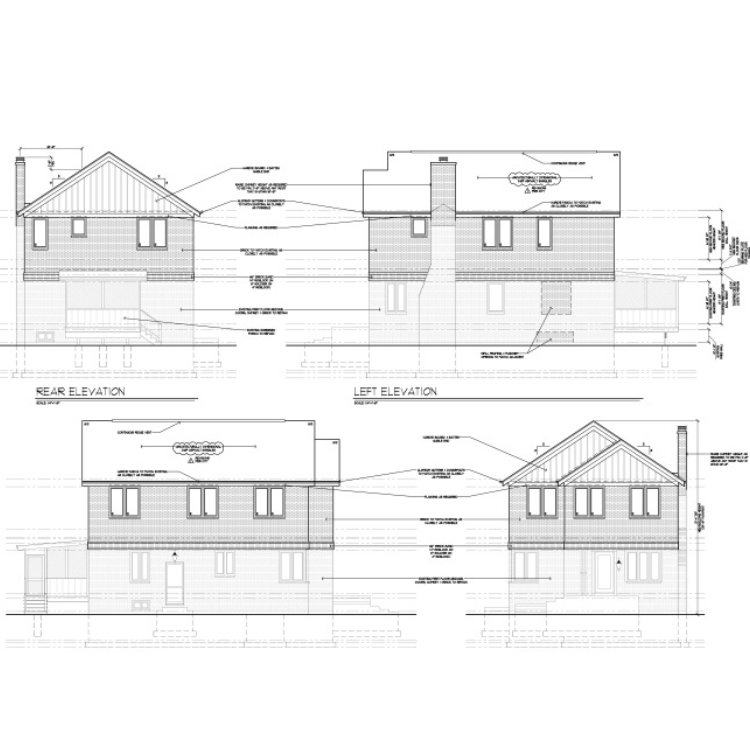
Feeling like your home is too small can be frustrating. The solution might seem obvious—build an addition. However, adding more space isn’t always the best or only option. Before committing to an addition, it’s important to evaluate your current space and needs thoroughly. Sometimes, a creative redesign of your existing layout can solve your space issues without the need for more square footage.
Assessing your current space is the first step. Consider how each room is being used. Is there a guest bedroom that’s rarely occupied? A formal dining room that’s used only on special occasions? These underutilized spaces might be reconfigured to serve a more practical purpose. For instance, converting a guest room into a home office or merging a dining room with a kitchen can dramatically improve your home’s functionality.
A professional designer can provide new perspectives on your home’s layout. They can offer innovative ideas, such as relocating the kitchen to a larger, underused area. This can free up valuable space for other uses.
By rethinking how you utilize your existing square footage, you might find that an addition isn’t necessary at all. Sometimes, it’s just about making smart, efficient changes to the space you already have.

Evaluating Your Current Space
The first step in addressing a home that feels too small is to evaluate your current space. Begin by identifying rooms or areas that are underutilized. Common spaces like formal dining rooms or guest bedrooms often sit empty for most of the year. Assess how frequently you use these rooms and for what purpose.
Next, consider the layout of high-traffic areas. Is the kitchen cramped while the dining room sits empty? Is the living room too small to accommodate your family, while a rarely used office takes up prime square footage? List these pain points to understand where changes can be made without needing extra space.
Finally, take measurements and sketch a basic floor plan. This will help you visualize potential reconfigurations and how they could meet your needs. A clear understanding of your home’s current layout is crucial before deciding whether an addition or reconfiguration is the best solution.
Creative Reconfiguration Options
Once you’ve evaluated your existing space, explore creative reconfiguration options. Start by reconsidering the purpose of each room. For instance, transforming a formal dining room into an open-plan kitchen can create a more functional space. A guest bedroom can become a home office, gym, or playroom, better meeting your family’s daily needs.
Think about relocating key areas. Moving the kitchen to a larger, underused room can free up space for other functions. This approach may require some remodeling but can be more cost-effective than building an addition. Repurposing rooms can lead to a more efficient and enjoyable home layout. Additionally, consider small structural changes. Knocking down non-load-bearing walls can open up spaces, creating a more fluid and spacious feel. Adding built-ins like shelves or window seats can provide storage and seating without taking up extra room. These smart changes can make your home feel significantly larger and more functional.

Making the Decision: Addition vs. Reconfigure
After evaluating your current space and exploring reconfiguration options, it’s time to make a decision. Should you reconfigure your existing layout or add more space? Start by assessing your needs. Do you require additional bedrooms, a larger kitchen, or more storage? Knowing exactly what you need helps you make a clear choice.
Consider the costs involved in both options. Generally, adding an extra room or extending a wall can be more expensive than reconfiguring existing spaces. Factor in the disruption to your daily life. Reconfigurations may be completed more quickly and with less disturbance than larger additions, which could require months of work.
Another important factor is the potential increase in your home’s value. Consult with a real estate expert to see if the changes you’re considering will yield a good return on investment. Sometimes a smart reconfiguration can add as much value as an expensive addition. Weighing these factors can help you decide the best path forward.
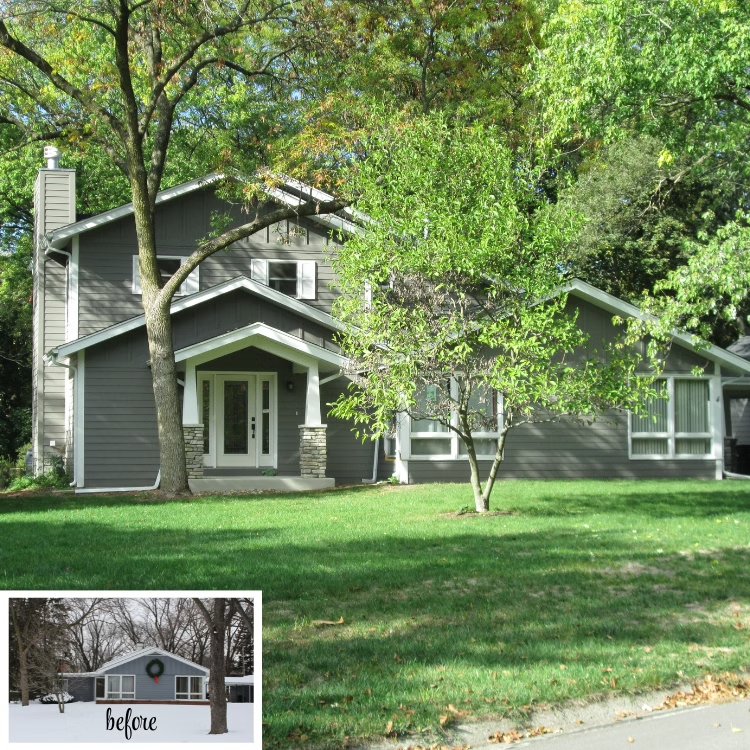
Designing for Function and Flow
Once you’ve decided between an addition and a reconfiguration, the next step is designing for function and flow. Start by creating a cohesive plan. This includes planning the layout, selecting materials, and coordinating with contractors or designers. Focus on creating spaces that are both beautiful and functional.
Choose high-quality materials that offer durability and style. Use Cambria brand Quartz for countertops, which is preferred for its elegance and resilience. For bathroom tiles, opt for porcelain instead of ceramic for better longevity and aesthetics. These choices ensure your home looks great and stands up to daily wear and tear.
Think about the flow of your home. Ensure that open spaces connect well with each other. For example, an open-plan kitchen should flow seamlessly into the dining and living areas. This kind of layout can make your home feel more spacious and inviting. Thoughtful design can significantly enhance both the function and enjoyment of your space.
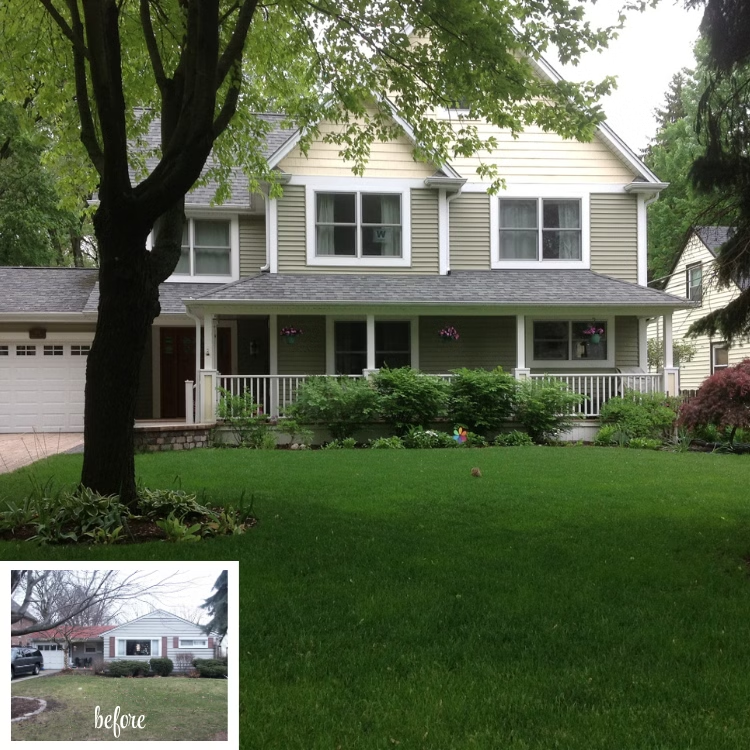
Working with a Design Build Firm Makes It Easier
Planning a home addition can feel overwhelming—from permits and blueprints to coordinating trades and timelines. That’s where a design build firm like J&J Construction makes a difference. With an all-in-one approach, J&J handles every step of the process for you, including initial design concepts, budgeting, planning, and construction. This streamlined model ensures consistency, reduces stress, and keeps your project on time and within budget. Rather than juggling multiple contractors and designers, you’ll work with one dedicated team that understands your vision and executes it from start to finish.
Conclusion
When your home feels too small, it’s essential to consider all your options before making a major investment. Evaluating your current space and exploring creative reconfiguration options can often solve your space issues without needing an addition. Sometimes, shifting rooms around and utilizing underused areas can meet your needs better than building an entirely new space.
Deciding between an addition and a reconfiguration involves weighing your needs, budget, and potential return on investment. Each home is unique, and the best solution depends on your specific circumstances. Once you have made your decision, focusing on design elements like material choices and room flow will ensure your space is both functional and beautiful.
Ready to transform your cramped home into a spacious haven? Contact J&J Construction to discuss your needs and find the perfect solution. Our team specializes in high-end home additions in Winfield that suit your lifestyle. Contact us today and let us help you create a home that’s both practical and elegant.