Texture plays a significant role in modern home design. It adds depth and interest to rooms, making them feel more inviting and complete. Whether you want to create a cozy living room or a sleek, modern kitchen, the right textures can help you achieve the look you desire.
Incorporating textures can be as simple as adding a fluffy rug or as elaborate as integrating exposed brick walls. The beauty of textures lies in their ability to transform a space without overwhelming it. They provide a tactile element that enhances visual appeal. Textures make a room feel alive and dynamic, which is crucial in today’s design trends.
Using different textures can also influence how a space feels. For example, smooth surfaces like glass and metal offer a sleek, modern look, while rough textures like wood and stone add warmth and coziness.
By thoughtfully selecting and combining textures, you can create a balanced and harmonious environment that speaks to your personal style. Whether subtle or bold, textures are a versatile tool in any designer’s arsenal. Understanding their role and how to use them effectively can elevate your home’s overall design.
Understanding the Importance of Texture in Home Design
Texture is a key element in home design that can dramatically change the look and feel of a space. It adds a sensory dimension, making rooms more engaging and pleasant. Textures can highlight features, add depth, and create focal points that draw the eye.
In modern home design, textures play a crucial role. They can balance sleek, minimalist spaces by adding warmth and character. Even in a room with a neutral color palette, textures can provide interest and contrast. For instance, a rough stone wall can add a rustic charm to a modern living room, while a velvet sofa can make the space feel luxurious and inviting.
Moreover, textures can influence the perceived temperature of a room. Smooth, reflective surfaces like glass and metal can make a space feel cool and airy, while rough textures like wood and textiles can make it feel warmer and cozier. By carefully choosing and combining textures, you can create a balanced environment that feels both welcoming and aesthetically pleasing.

Top Textures to Incorporate in Modern Interiors
Integrating the right textures can elevate the design of your home. Here are some top textures to consider:
- Wood: Wood adds warmth and a natural element to a room. It can be used in flooring, furniture, and even accent walls. Choose lighter woods for a Scandinavian look or darker woods for a more traditional feel.
- Stone: Stone brings an earthy, rugged texture that can make any room feel grounded. Use it in fireplaces, kitchen backsplashes, or even as an accent wall to add character.
- Metal: Metal surfaces, such as stainless steel or brass, add a sleek, modern touch. They are excellent for kitchen appliances, light fixtures, and decorative accents.
- Textiles: Textiles like velvet, linen, and wool can make a room feel cozy and inviting. Throw cushions, rugs, and curtains are perfect for incorporating these softer textures.
- Glass: Glass provides a smooth, reflective surface that can make spaces feel larger and brighter. Use glass in table tops, shelving, and room dividers.
- Leather: Leather adds a rich, tactile feel to interiors. It’s perfect for sofas, chairs, and even wall panels, offering both luxury and durability.
By thoughtfully incorporating these textures, you can create an environment that is both visually appealing and comfortable. Each texture brings its unique qualities, making your home design stand out and feel complete.
How to Layer Textures for a Rich, Dynamic Look
Layering textures is an effective way to add depth and interest to any room. It involves combining different materials and finishes to create a cohesive yet complex aesthetic. Start with a base layer, such as a neutral wall color or a foundational piece of furniture. Then, build upon it with various textures to achieve a rich, dynamic look.
Textiles like cushions, rugs, and throws are an easy way to introduce multiple textures. For example, a smooth leather sofa can be softened with a woolen throw and a few velvet cushions. Rugs also play an important role in layering textures. A jute or sisal rug can add an earthy feel, while a plush shag rug infuses a touch of luxury.
Wall treatments are another area where textures can shine. Consider combining smooth painted walls with textured wallpaper or wooden panels. Even artwork can contribute to your layered look. Pieces with mixed media, such as metal sculptures or canvases with thick paint, add another layer of texture to your space.
Don’t forget about natural elements. Wooden furniture, stone countertops, and plants introduce organic textures that contribute to a well-rounded design. Layering these elements thoughtfully will enhance the overall vibe of your home, making it feel more intricate and inviting.

Combining Different Materials to Create Unique Spaces
Creating unique spaces involves the strategic use of different materials. Combining materials not only adds visual interest but also enhances the functionality of each area. Start by mixing contrasting materials to make each element stand out.
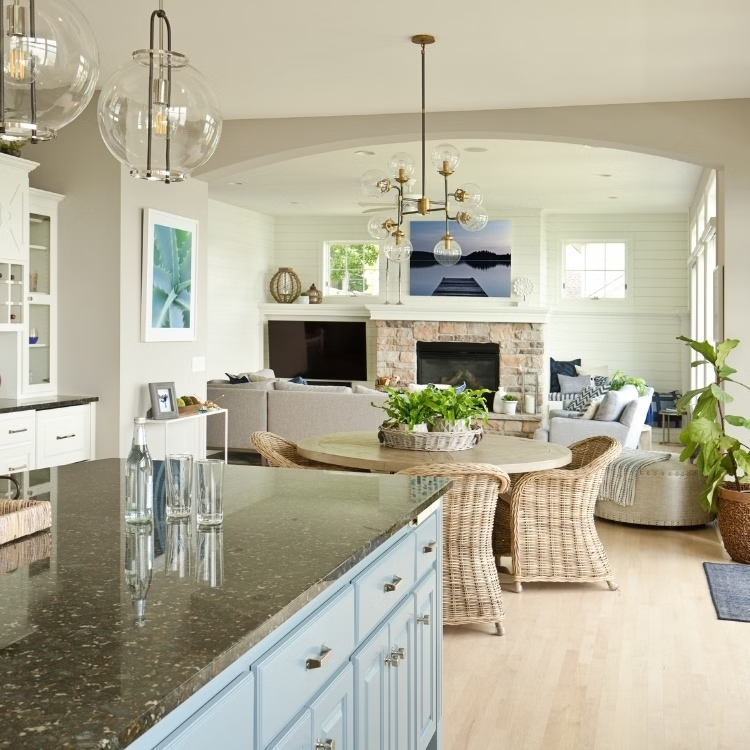
For a modern kitchen, pair sleek quartz countertops with textured wooden cabinetry. Quartz offers a clean, durable surface, while wood adds warmth and a natural touch. This combination creates a balanced look that is both functional and aesthetically pleasing.
In bathrooms, blend porcelain tiles with metal fixtures. Porcelain is not only durable but also versatile in design. Metal fixtures add a touch of elegance and shine. This pairing results in a sophisticated, spa-like space.
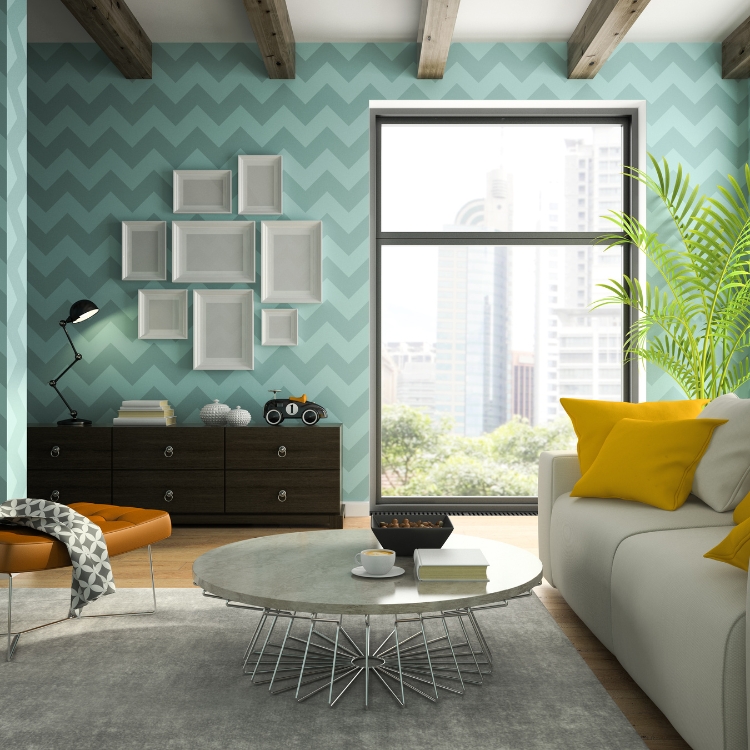
Living areas benefit from a mix of soft and hard materials. Combine fabric sofas with wooden coffee tables and metal lighting fixtures. This mixture ensures a balanced, inviting living space. Adding a stone fireplace or an exposed brick wall introduces yet another layer of texture and material, making the room feel richer and more complex.
Thoughtfully combining different materials will help you design spaces that are unique to your style and needs, making your home truly one-of-a-kind.

Conclusion
Texture is a vital element in home design, and when used effectively, it can elevate the look and feel of any space. By understanding its importance, incorporating top textures, layering them thoughtfully, and combining different materials, you can create a home that is both beautiful and functional. Texture adds depth, warmth, and character, transforming ordinary rooms into extraordinary spaces.
At J&J Construction, we have the expertise to help you choose the best textures for your remodel. Our team can guide you through the process, ensuring every element works together harmoniously.
To learn more about how we can help you achieve your dream home, download our free brochure, “Your Guide to Starting a Home Remodeling Project.” Contact us today to get started. Let’s work together to create a space you’ll love for years to come!