Keeping your roof in good condition is essential to maintaining the integrity and value of your home. In this FAQ, we will explore common roof maintenance tips that every homeowner should know to keep their roof in top shape.

Why Regular Roof Inspections Matter
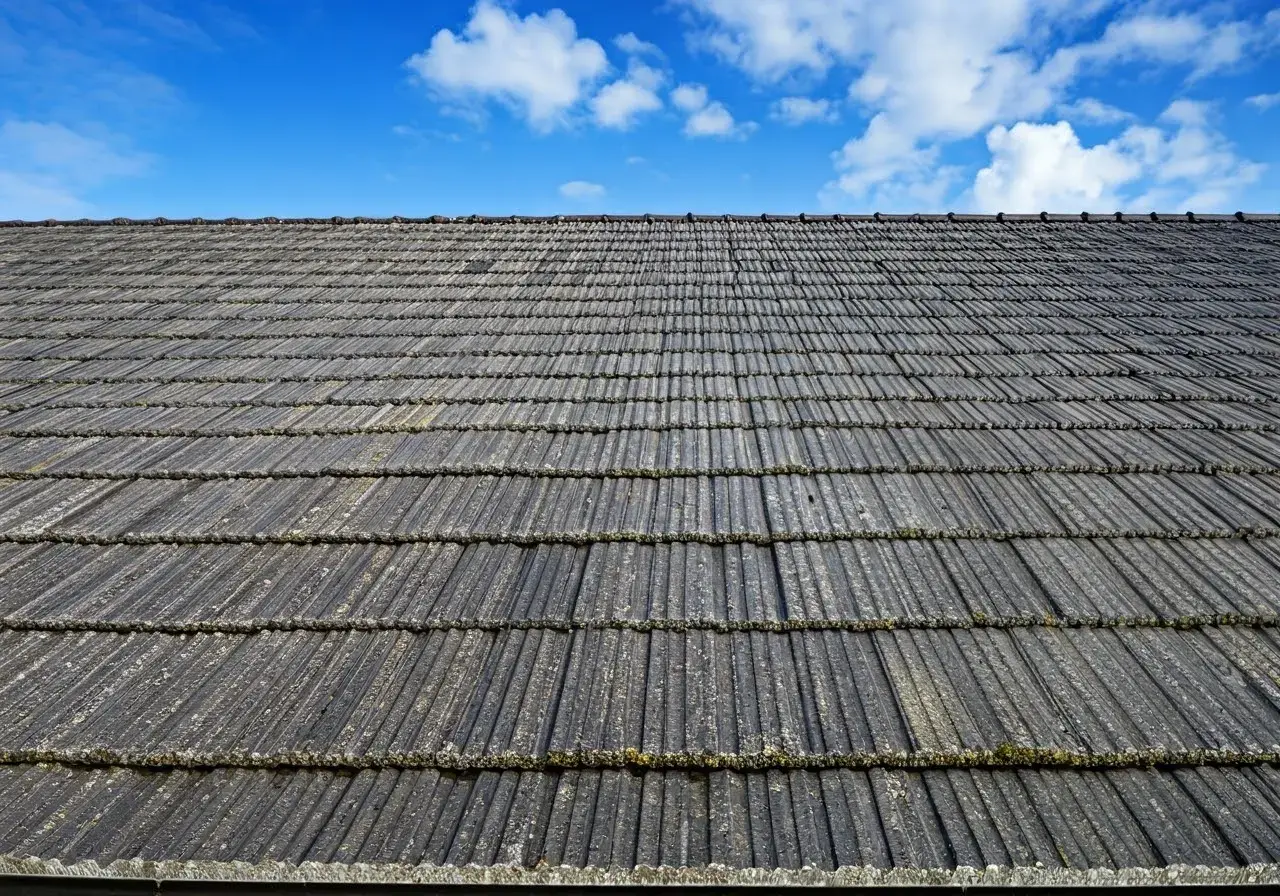
Regular roof inspections can help you detect potential issues early before they become more serious problems. Checking your roof at least twice a year or after significant weather events is crucial. With San Antonio’s weather conditions, this practice becomes even more important. A well-built and well-maintained roof is designed to last around 20 years, but only if you manage to address small issues before they turn into large ones.
Inspecting your roof doesn’t require a professional every time. Homeowners can start by looking for visible damage such as missing shingles, debris buildup, or clogged gutters. However, hiring a professional at least once a year ensures any obscure problems are addressed, saving money in the long run by avoiding damages that go unnoticed.
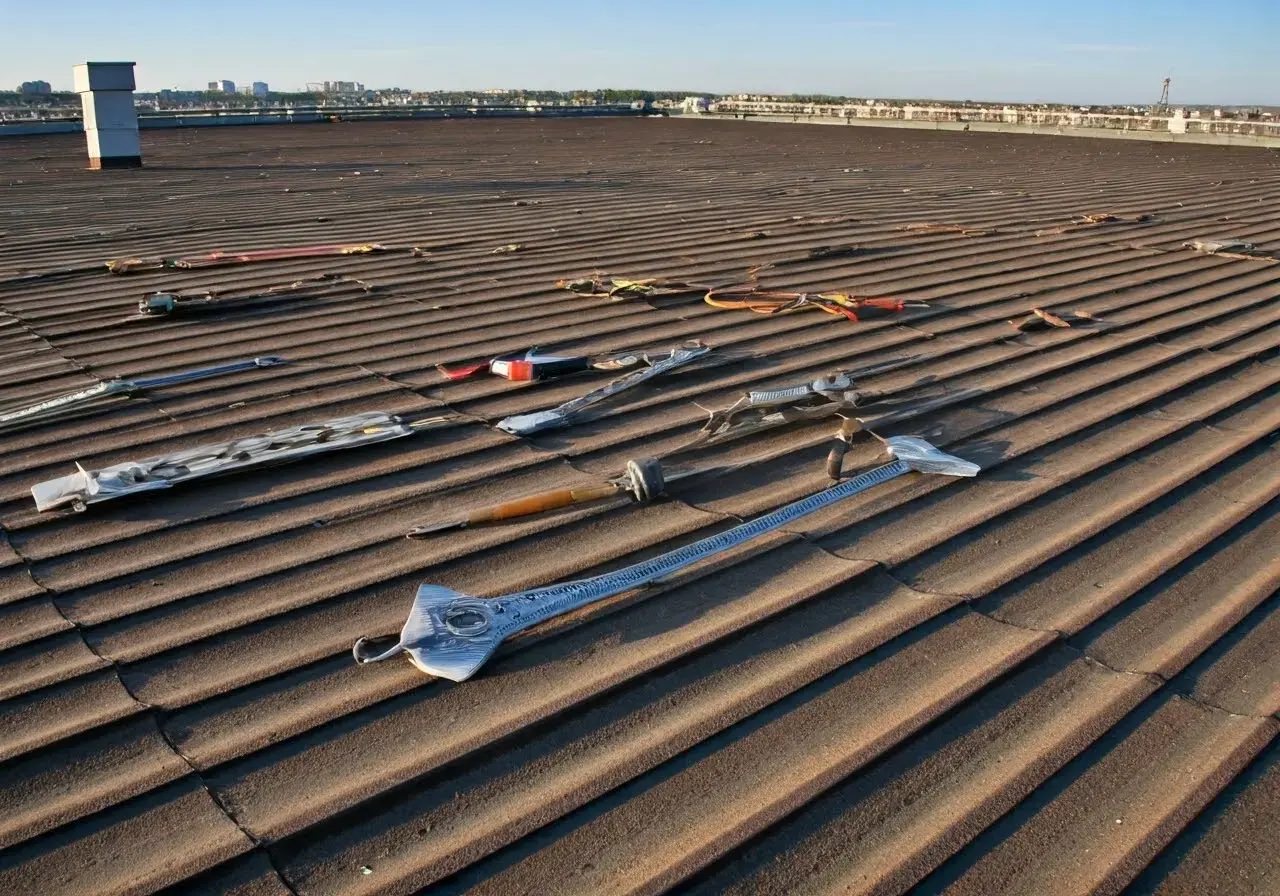
Using a professional roofing inspection service annually can catch missed signs by an amateur eye. These inspections can prevent severe issues, as professionals have the expertise to spot deterioration an untrained eye might miss.
Clearing Debris and Maintaining Gutters
Keeping your roof and gutters free from leaves, branches, and other debris prevents water damage and other complications. A clogged gutter can lead to water backing up and sneaking beneath shingles. This could cause rot, leaks, and even structural damage if left unattended.
Regularly clearing your gutters and ensuring they direct water away from your house is essential in all seasons. Roof decking rot caused by gutter backup is a preventable issue that merely takes a few cleanings per year or after a significant storm.
In addition to clearing your gutters, trimming overhanging tree branches can prevent leaves and twigs from clogging your gutters and keep your roof from significant damage. During storms, branches can break off and cause immediate damage to shingles, giving critters access to your roof.
Identifying and Repairing Roof Leaks
Identifying leaks early and making timely repairs can stop water intrusion and prevent structural damage. Familiarize yourself with the signs of roof leaks, such as water stains on ceilings, damp walls, or visible moisture in the attic.
If you see a stain on the ceiling or experience water dripping indoors, act fast. Getting professional help to pinpoint and resolve the leak will prevent further damage and potentially save the structure of your home.
Common leak causes include damaged shingles, improper installation of vents or skylights, and blocked gutters. A quick response can mitigate the damage, protecting both your roof and your home’s interior.
When to Seek Professional Roof Maintenance
Certain roof issues require expert intervention. Knowing when to call a professional can save time and money. For instance, extensive damage after a storm or noticeable sagging in your roof structure should be assessed by experts to ensure proper repair and safety.
If your roof is nearing the end of its lifespan or made from materials that are prone to weathering, it’s wise to consult a professional for a comprehensive evaluation. Professionals can provide roof replacement options that suit your needs and budget.
Additionally, complex problems such as those involving the structure or underlying support of your roof can benefit from a professional’s touch. They have the necessary equipment and expertise to handle repairs that go beyond DIY solutions.
Wrap-Up: Your Roof Maintenance Checklist
By following these simple yet effective roof maintenance tips, homeowners can ensure their roofs last longer, ultimately saving on costly repairs or replacements. Regular inspections and timely repairs are key to preserving the health and longevity of your home.