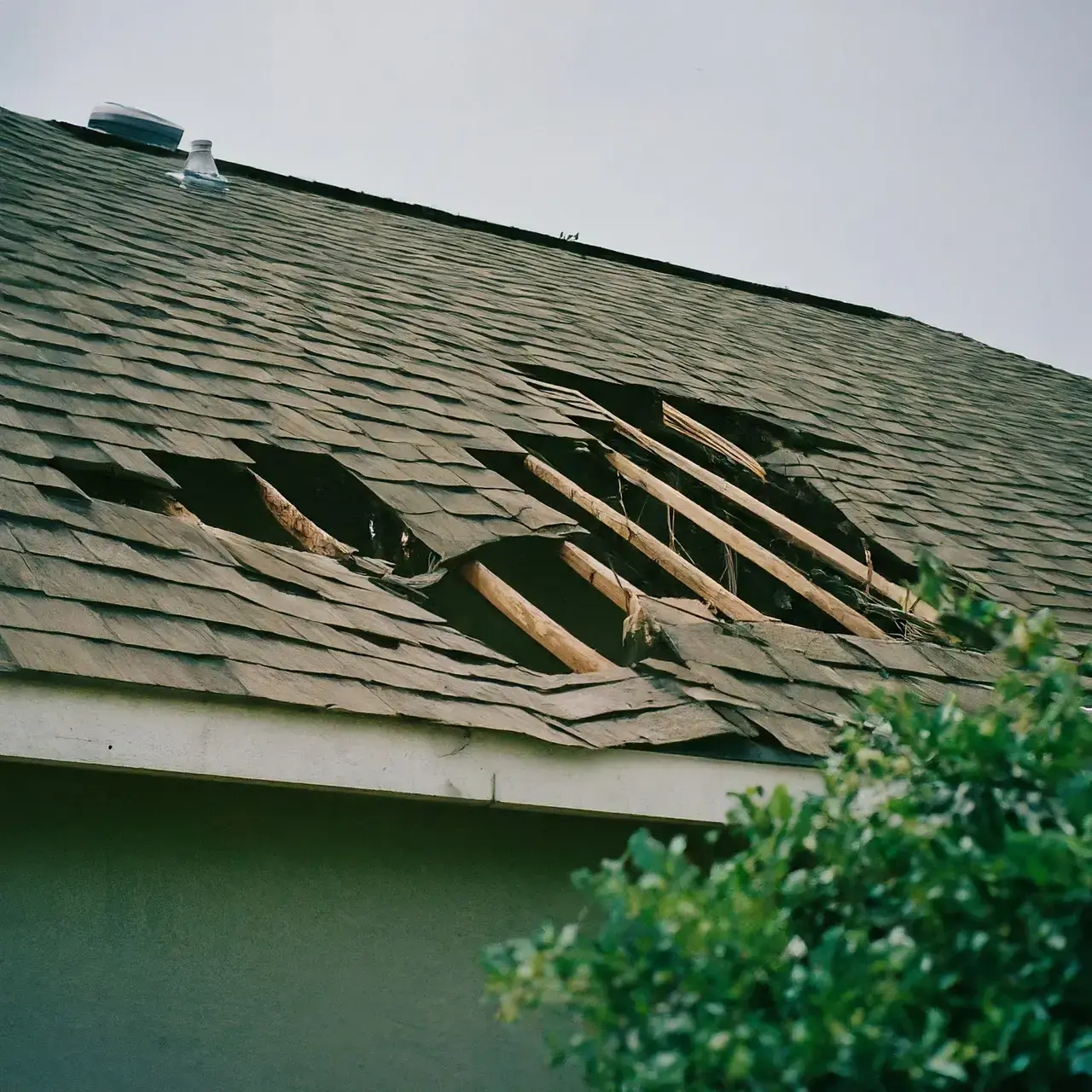
Undertaking a roofing project can be an overwhelming task. With so many details to consider, ensuring you’ve chosen the right professional roofing contractor can make all the difference. Asking the right questions before beginning your project can help alleviate concerns and set the stage for a successful experience. This guide aims to equip you with the essential questions to ask your contractor, ensuring transparency and understanding from the start.

1. Understanding Their Experience and Expertise
Before hiring a roofing contractor, understanding their level of experience and the expertise they bring to the table is crucial. This helps ensure your project is in capable hands. Grasping their experience involves more than just years in the business; it’s about the quality and variety of projects they’ve handled. Contractors who have dealt with various roofing challenges are often better equipped to deliver solutions tailored specifically to your needs. When evaluating a contractor, inquire about their experience with materials similar to what you intend to use. This specific expertise can be pivotal in addressing project specifics and ensuring optimal results.
You should ask about any certifications or advanced training the contractor may have completed. This gives you insight into their dedication to staying updated with the latest roofing techniques and technologies. This insight can reveal whether they are equipped to handle potential obstacles and deliver superior quality. For instance, a roofing contractor certified by a material manufacturer can often ensure a higher quality of service due to a deeper understanding of those products. Understanding their approach to ongoing education in the field showcases their commitment to professional excellence.
2. Verifying Licenses and Insurance
Always confirm the contractor’s credentials. Licensing and insurance not only protect the contractor but also provide security to you as the homeowner. This step helps in avoiding unnecessary complications in case of accidents or property damage. By asking for their license number and verifying it, you’re assured that you are working with a legitimate roofing service provider.
Additionally, comprehensive insurance is an essential requirement for any contractor you consider. Ensure they carry both worker’s compensation and liability insurance. The former protects workers in case of an injury on your property, while the latter covers any damages that may occur during the job. Verification of these protections through direct conversation and seeing documentation is crucial. A responsible contractor will be ready and willing to share this information.
3. Reviewing Past Work
Ask to see examples of their previous work. Whether it’s through photos or testimonials, this gives you an insight into the quality and style of their projects. You want to see diversity in their portfolio, demonstrating their ability to handle various styles, materials, and designs. Seeing a wide range of projects, such as metal roofing options, can increase your confidence in their adaptability and creativity.
In addition to photos, seek out client testimonials or references. Talking to past clients can provide context and depth to the contractor’s portfolio, giving you a true measure of their punctuality, cleanliness, and adherence to budget during projects. This step can often be the differentiator in selecting a truly reliable and skilled contractor.
4. Discussing Project Timeline
Understanding the estimated timeframe for project completion is essential. This ensures alignment of expectations and helps in planning around the construction. Ask the contractor for a detailed timeline that includes each phase of the project and potential impacts. A detailed timeline indicates the contractor’s ability to manage and execute projects efficiently.
Bring up any concerns about potential delays due to weather or supply chain issues. A professional contractor should have mitigation strategies or alternative plans to handle unforeseen delays. Addressing these aspects upfront prevents surprises and solidifies an honest working relationship.
5. Clarifying Cost and Payment Plans
Make sure there is a clear understanding of the project’s cost and the payment schedule. This prevents any financial surprises down the road. Discussing payment terms in detail protects both parties’ interests. Ensure you have a comprehensive written estimate that includes every aspect of the project, from materials to labor, and additional costs.
Addressing how costs might change due to unforeseen circumstances and ensuring you have an escalation process in place will protect you from budget overruns. Knowing exactly what you will be paying for, and when, sets the groundwork for a stress-free transaction between you and your roofing contractor.
6. Exploring Material Options
Discuss the types of materials available for your roofing project, considering factors like durability, aesthetics, and budget. Different materials offer varying benefits; for example, metal roofs are known for durability and energy efficiency. The right materials can elevate your home’s value and offer long-term cost savings.
Understand the pros and cons of each material for your specific needs and climate. A knowledgeable contractor should guide you through choices such as insulation capabilities, resilience against local weather conditions, and potential energy savings. These discussions often lead to discovering innovative solutions that align with your style and functional goals.
7. Addressing Potential Challenges
Inquire about common challenges that may arise during the project and how the contractor plans to address them. This prepares you for any unexpected developments. Roof leaks, material unavailability, or unforeseen structural issues are common problems, and a proactive contractor will explain how they intend to manage these hurdles.
Addressing potential challenges upfront helps in understanding the contractor’s problem-solving skills. Their willingness to discuss past experiences with similar obstacles often indicates their ability to manage stress points effectively and maintain project momentum without compromising quality or timelines.
8. Confirming Warranties and Guarantees
Understand what warranties or guarantees are included with your roofing project. This coverage ensures long-term protection and peace of mind. A robust warranty policy indicates confidence in the quality of materials and installation.
Discuss both workmanship and product warranties in detail. Knowing how long they last, what they cover, and the process for making a claim helps secure your investment. Employing a contractor who provides clear warranty terms supports a meaningful partnership service commitment.
9. Examining Cleanup and Post-project Procedures
How contractors handle cleanup and their procedures after project completion are vital aspects. A tidy site upon completion is just as important as the project itself. Confirm their plan for clearing waste and leftover materials, ensuring your property is as tidy after the project as it was before.
Discuss their process for handling leftover materials and debris. A responsible contractor will provide a comprehensive cleanup strategy, which is essential not only for aesthetics but also for safety—the completion process should leave you satisfied and your environment hazard-free.
10. Ensuring Clear Communication Channels
Verify how communication will be maintained throughout the project. Efficient communication channels ensure smooth progress and quick resolution of issues. Ask whether there will be a designated point of contact who provides regular updates and is available to address queries promptly.
A skilled contractor maintains open lines of communication to share updates, potential hurdles, and changes in timelines or budgets. This continual dialogue builds trust and keeps the project on track, facilitating a seamless, collaborative effort from start to finish.