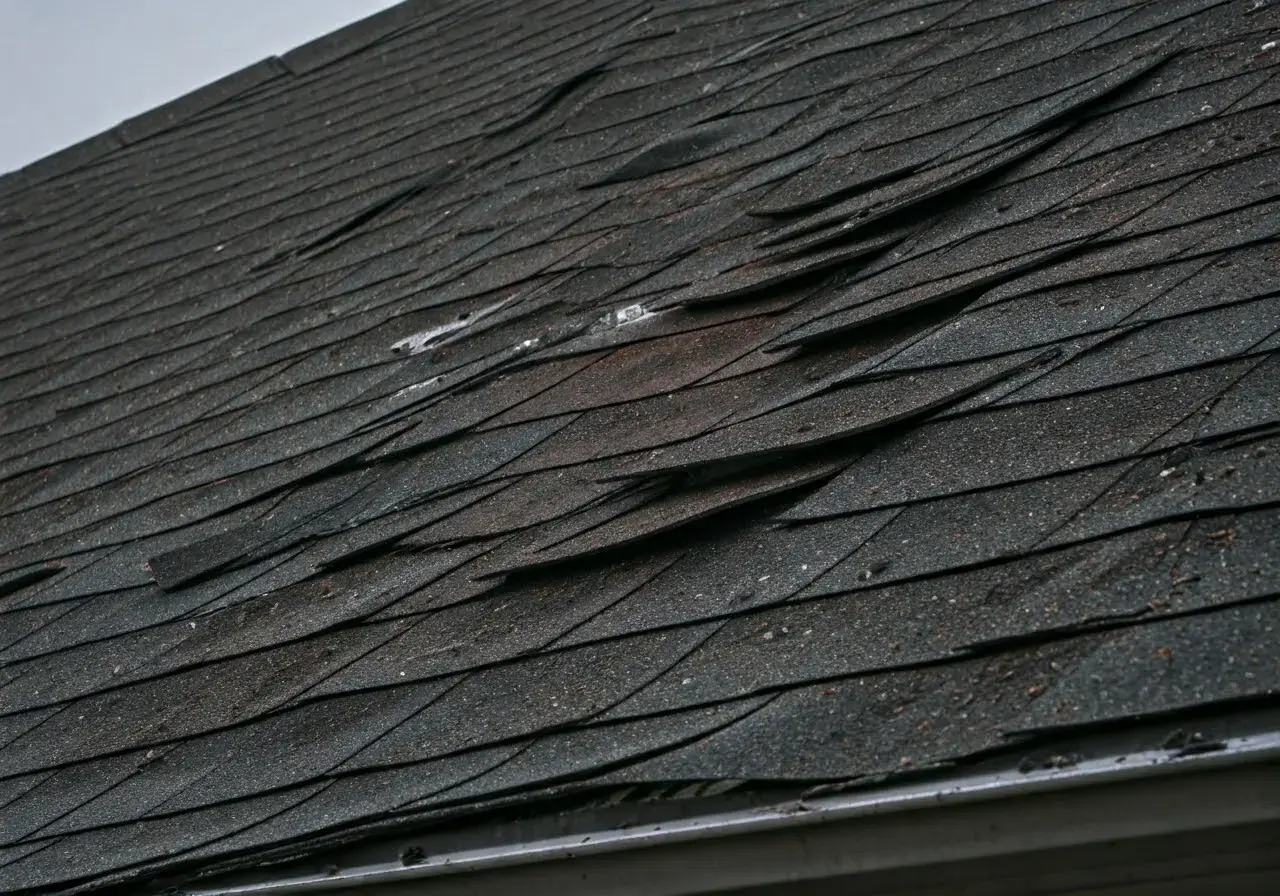
Dealing with hail damage can be a daunting task for any homeowner. When a storm hits, ensuring your home is protected and repaired promptly becomes a priority. Whether you’re new to hail repair or just looking for more information, these tips will guide you in finding reliable services nearby and making informed decisions.

1. Understanding Hail Damage
Hail can cause significant damage to roofs, siding, and windows. Recognizing the signs of damage early can help you take swift action.
When hailstones hit, they can range in size from small pebbles to as large as a grapefruit. This variance often leads to unpredictable damage. Recognizing immediate changes like missing granules on shingles or visible fractures can alert you to unseen problems. A small issue now can save you considerable expense later—investigate even minor dents or seemingly insignificant anomalies. To ensure you cover all bases, refer to a comprehensive home inspection guide provided by certified inspectors.
2. Assessing the Extent of the Damage
Before contacting a repair service, conduct a basic inspection yourself. Look for dents, cracks, and any visible signs of damage to better explain the situation to professionals.
Examine gutters, roof flashing, and even nearby vegetation, as hail impact can be widespread. Pay close attention to soft metals like air conditioning units or roof vents, which are prone to visible signs of hail damage such as dents. These observations not only help in explaining the scenario to a contractor but also serve as evidence should you need to file an insurance claim. Remember, accurate initial reporting aids in quicker solutions.
3. Researching Local Repair Services
Finding a reputable hail repair company near you is crucial. Read reviews, ask for recommendations, and check credentials to ensure quality service.
Local businesses often have a deeper understanding of regional challenges, making them adept at handling the specific needs that hail damage might bring to your area. When evaluating potential services, consider their standing within the community as a measure of trustworthiness. Personal referrals from friends or family who have dealt with hail repair can be invaluable in finding reliable companies.
4. Checking for Proper Licensing and Insurance
Ensure that any repair company you consider has the necessary licenses and insurance to operate legally and protect you from liability.
This step is non-negotiable. Licensing not only confirms legislative compliance but also guarantees a certain level of competence and ethical practices. Ensure insurance documents, including liability coverage and worker’s compensation, are verified—signaling the contractor’s readiness to safeguard your interests during unforeseen incidents. A conscientious contractor willingly provides verification of these critical documents.
5. Getting Multiple Estimates
It’s wise to get estimates from several companies to compare pricing and services offered. This will help you make a more informed decision.
Different estimates reveal varying approaches to tackling your hail repair, potentially uncovering more cost-effective or thorough solutions. Evaluate details such as the scope of work, materials used, and timeframe. Some companies may offer added services like debris removal or free follow-up inspections, providing better overall value.
6. Understanding the Repair Process
Familiarize yourself with the typical steps involved in hail repair, from initial assessment to final checks, to ensure everything is done correctly.
The repair process begins with an in-depth assessment to understand the full extent of the damage and required repairs. Contractors will typically follow with measures to prevent ongoing damage, such as applying temporary fixes. Once repair commences, ensure all materials meet required standards and that the quality check post-repair is thorough. Understanding these steps allows you to monitor progress and engage effectively with your contractor.
7. Exploring Repair Warranties
Ask if the repair services come with warranties. A warranty provides assurance that the repair work is guaranteed for a certain period.
A strong warranty offers added peace of mind, ensuring that any future issues arising from the work carried out will be addressed without additional cost. Clarify which elements of the repair are covered and the warranty’s duration. This knowledge is vital in securing confidence in the contractor’s commitment to quality beyond the project’s completion.
8. Communicating Clearly with Contractors
Clear communication can prevent misunderstandings. Discuss your expectations and any specific concerns with the contractor before work begins.
9. Understanding Your Insurance Policies
Before repairs, review your insurance policy to understand what damages are covered. This knowledge can help you file a claim if necessary.
Policies vary significantly, and understanding the nuances of your coverage can streamline the claim process. Contact your insurance provider for clarifications on deductibles and dates of coverage. Being informed empowers you to enact necessary claims swiftly, facilitating prompt repair financing and execution.
10. Keeping Records of All Transactions
Maintain detailed records of all communications, estimates, and repairs done. This documentation is useful if disputes arise or for future reference.
Organize all invoices, contracts, and correspondences in a systematized manner. This aids not only in any disagreements but also in ensuring compliance with warranty conditions. Documenting every detail ensures that all parties involved remain accountable and any potential issues can be resolved effectively.