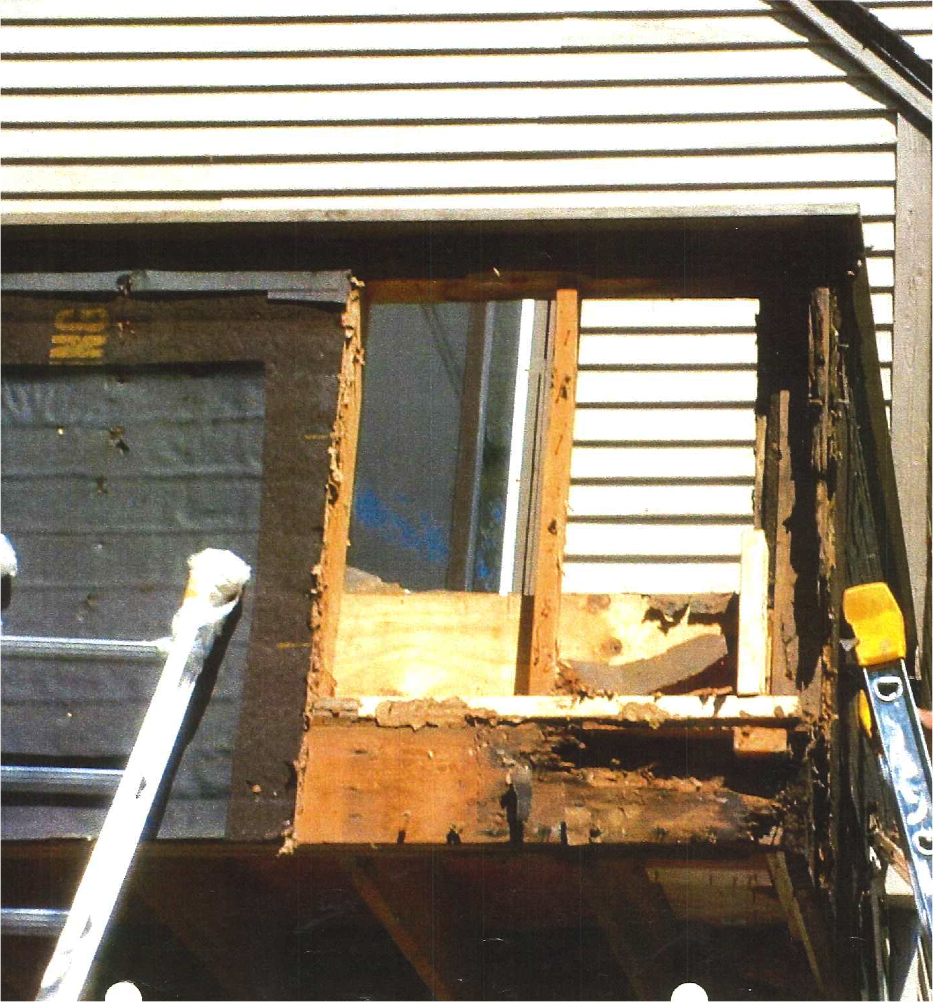
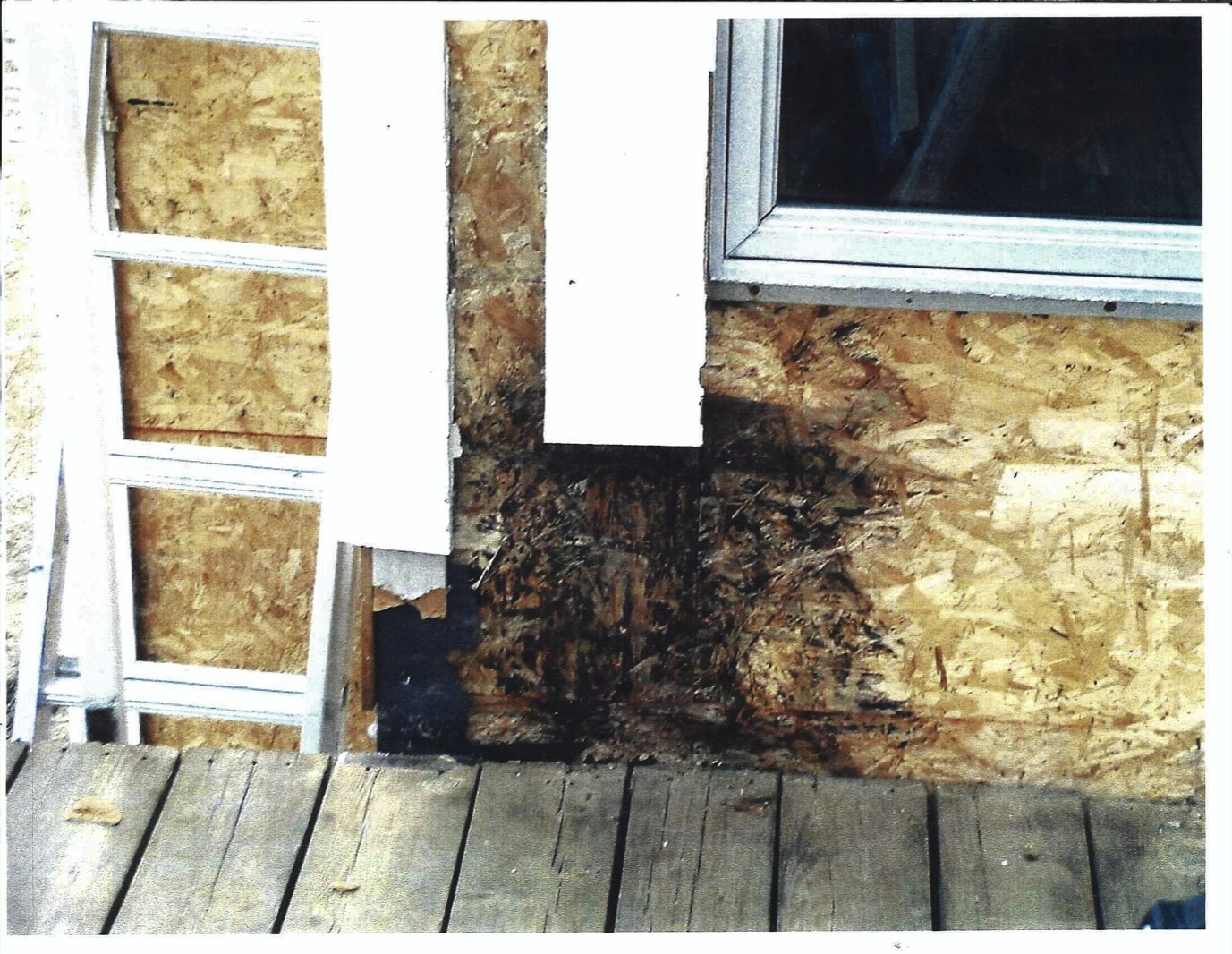
Your siding is usually the only thing between the elements outside and your interior drywall and insulation. Each board works together as a complete system with nails, caulk, and a painted finish to keep out moisture and protect your home. Particularly in our hot and humid San Antonio Texas climate, it's very important for your siding to perform at its best to prevent interior damage to your home. Often, homeowners can’t tell how much-hidden damage has occurred until the siding is physically removed. Hence, they can see how much wood rot exists on the frame of their home due to years of moisture penetration behind the siding. But, there are some signs to watch out for that damage might be happening behind the siding’s facade.
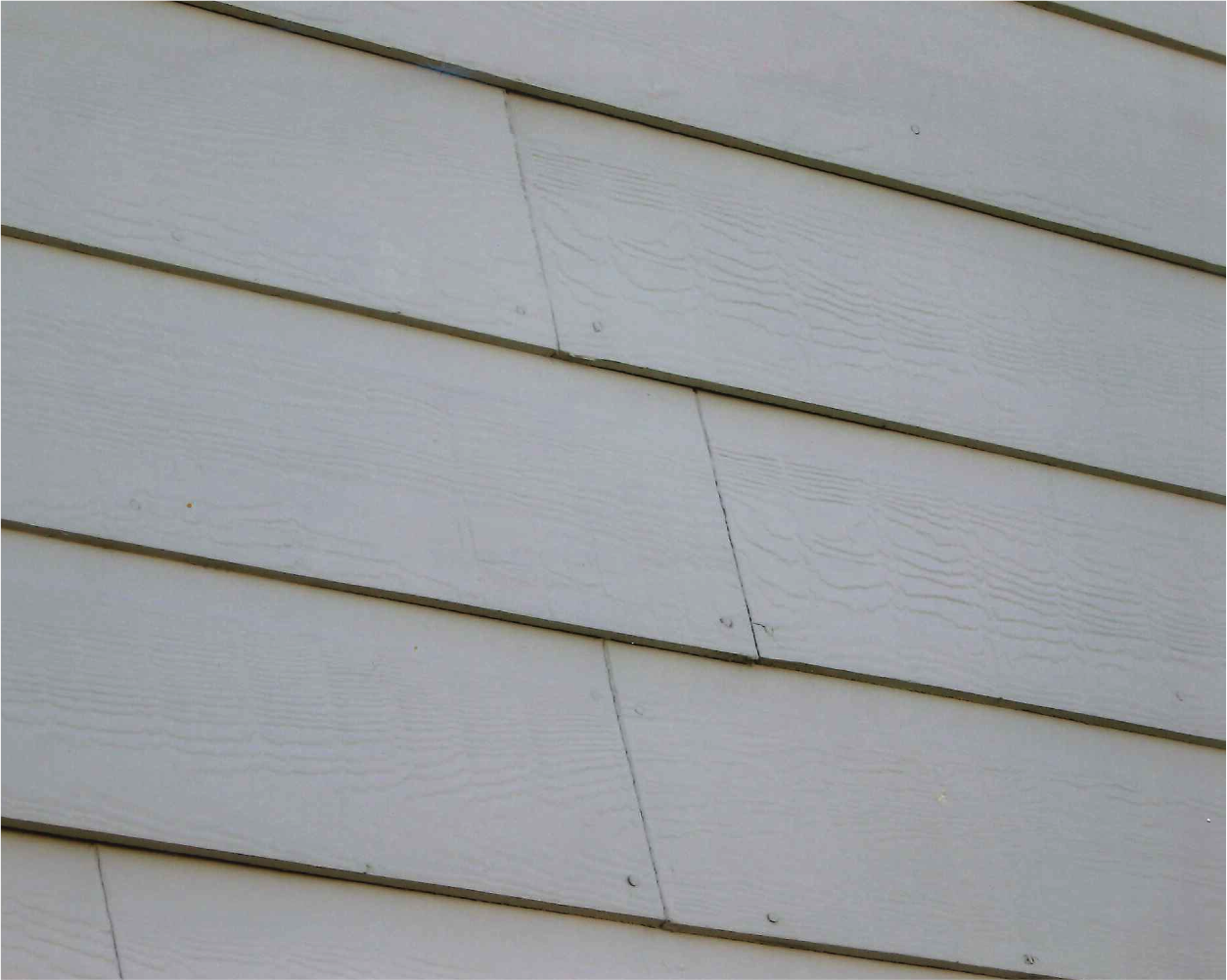
Are the heads exposed, rusty, or missing? If your nails have popped out, your siding has experienced some movement or has been expanding and contracting. Rusty nails can signify moisture damage over time and leave streaks down your siding. Ideally, siding should be installed using stainless steel nails. Of course, if any nails are completely missing, your siding is in danger of falling off or blowing away in a strong wind storm.
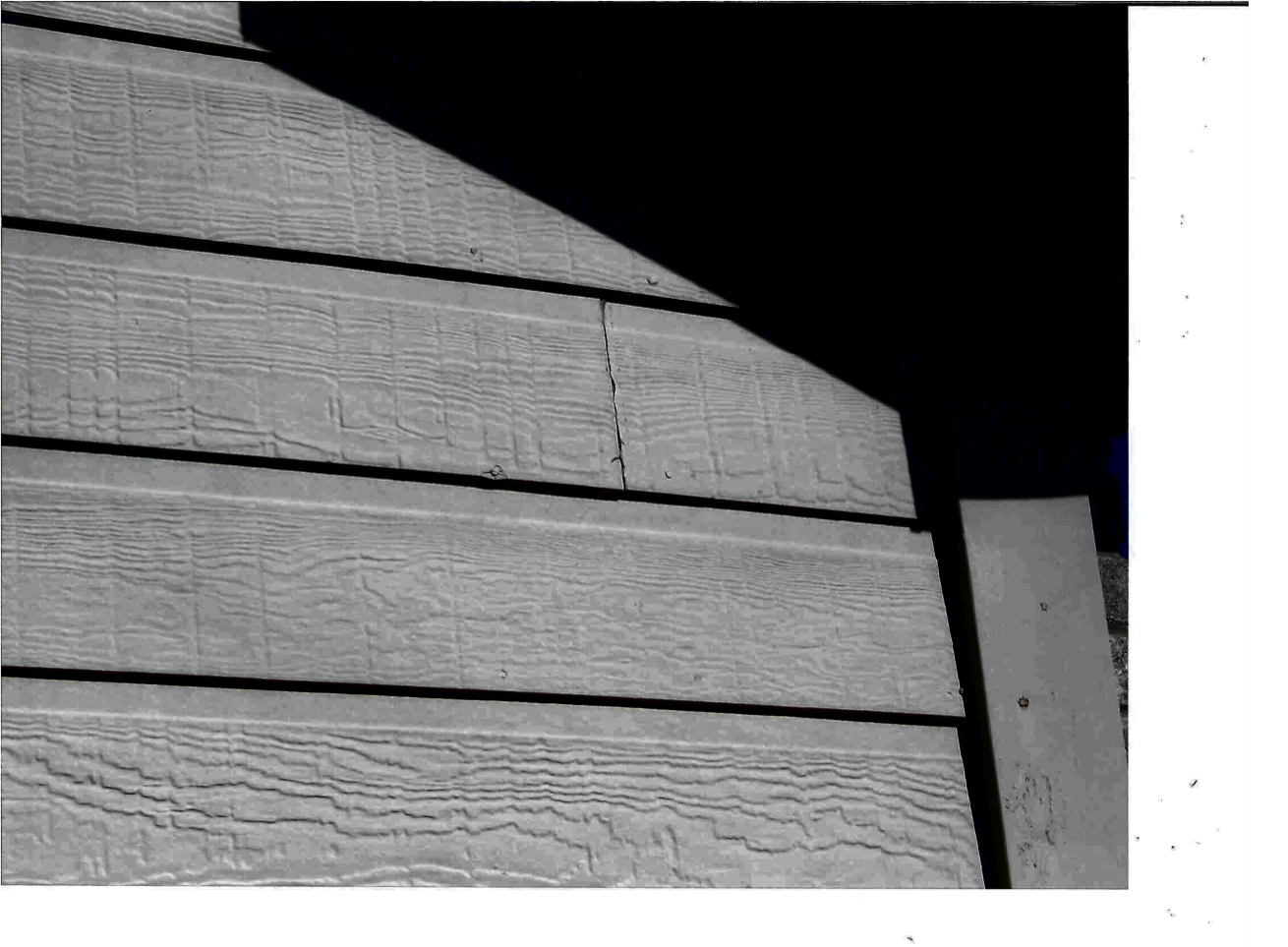
The siding should be caulked at all vertical seams and joints. Over time, caulk can shrink, crack, or slowly wear away. If seams shift and boards look uneven, your siding system will fail. If caulked correctly, your siding should look almost seamless (with no vertical lines at the butt joints).
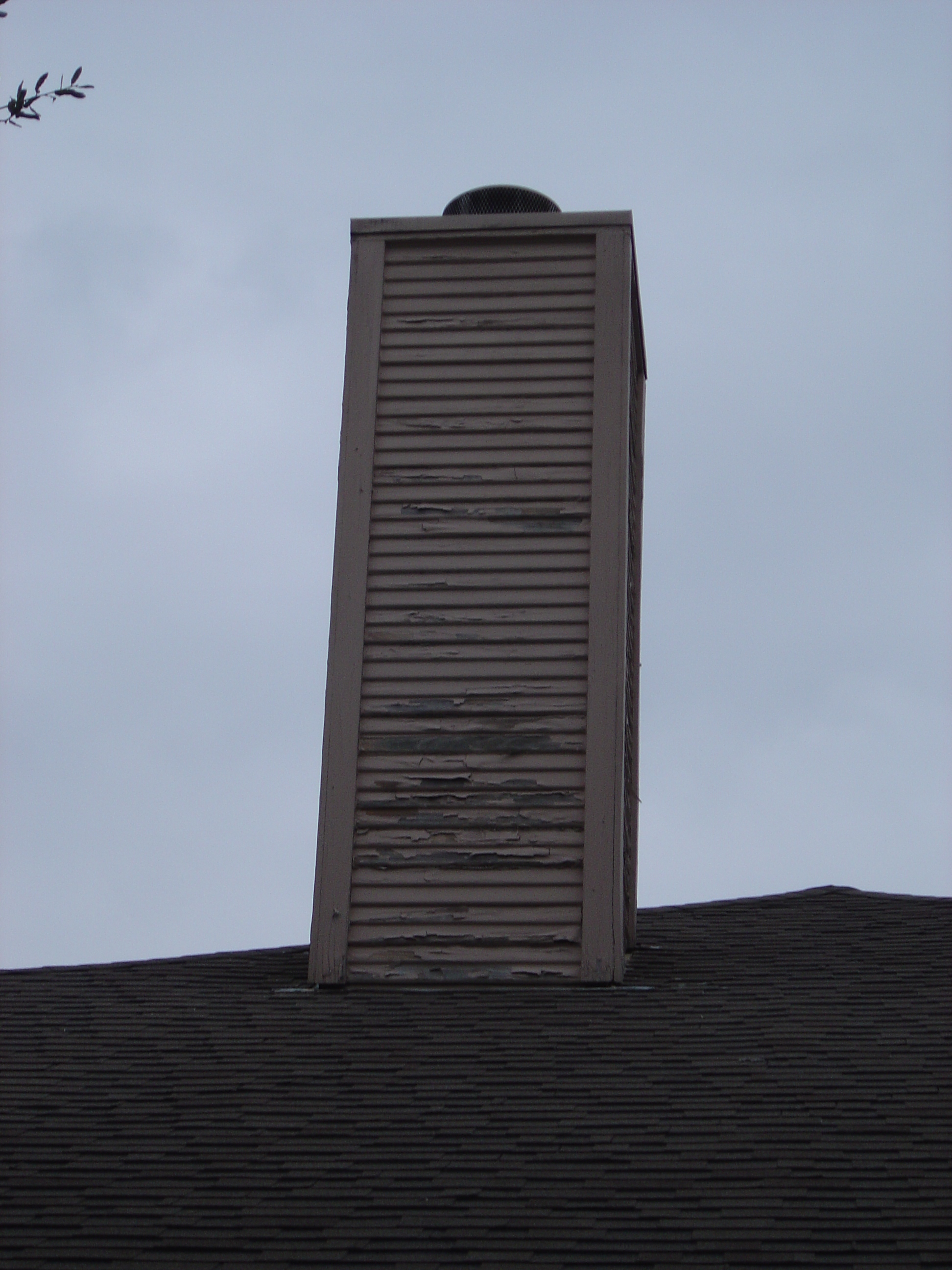
Besides just looking nice, upkeep on your siding’s paint could be key to its survival. Depending on the quality of the paint and the number of coats, paint can last as little as two years on wood siding or up to 25 years on HardiePlank siding. Vinyl siding should never be painted, but it can fade and requires special paint and care if you decide to update the color.
Termites can destroy wood siding, although they won’t touch HardiePlank or vinyl siding. Your siding may need to be replaced if rodents or other pests have found their way in and live between your interior walls and exterior siding.
If moisture can enter through your siding, it has failed. Sometimes, homeowners will see mold on their interior drywall; other times, they don’t know it is happening or can only smell something musty. Wood rot can be hidden the same way.
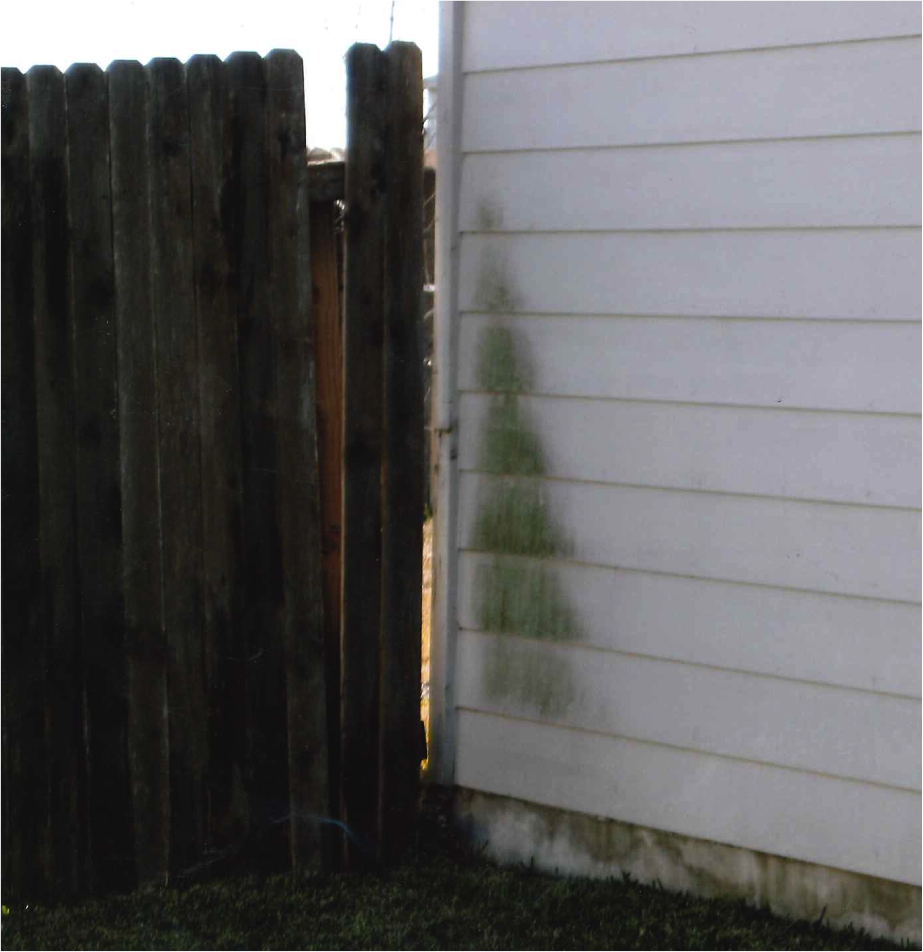
Signs of water runoff that start and stop suddenly will signal that water may enter the siding and affect the home's interior. Water stains show up as discoloration or streaking on the siding.
To inspect your own siding for these issues, you can use binoculars or take pictures of it with a digital camera with a good zoom. At that point, you can assess whether your exterior needs a little TLC or if it’s time to update your siding to protect your home entirely.
Did your siding pass this test or receive a failing grade? If you’d like an expert opinion or know your siding needs to be replaced, don't hesitate to contact us directly.
For siding replacement in and around San Antonio, Texas, please call us at (210) 625-7865 to get started.