Source
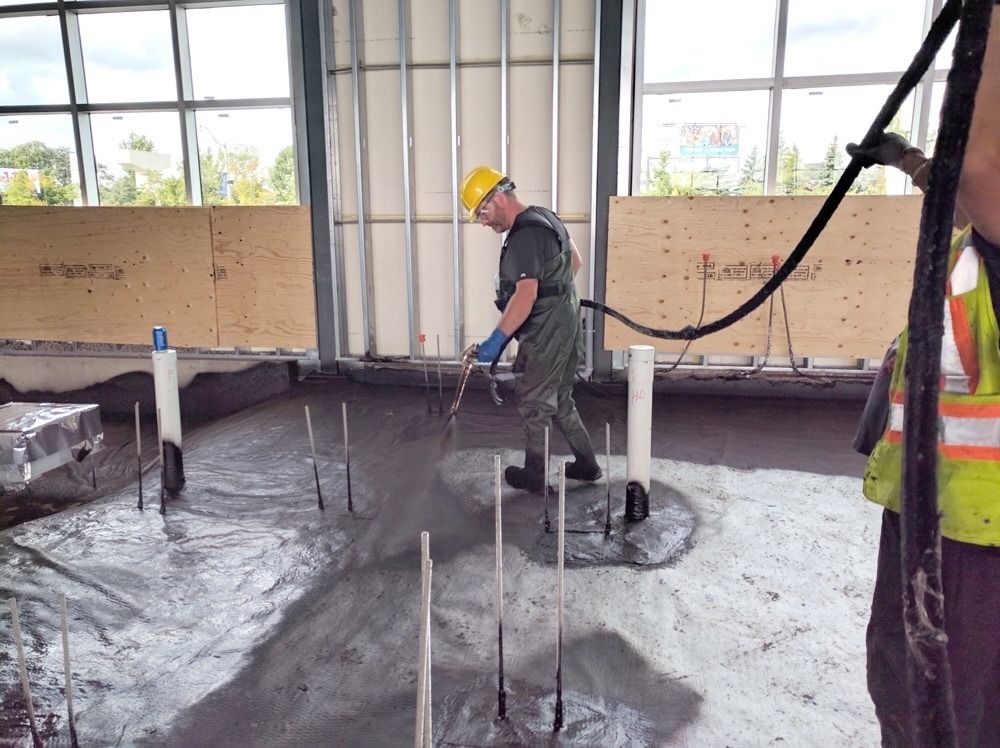
Vapor intrusion is a vital safety concern that can impact building development or renovation. It refers to the vapor-forming chemicals present in soil that can enter a building through surfaces such as floors or basement walls. For any type of project, it is essential that the right testing and screening is conducted before construction starts so suitable products or systems can be put in place to keep the harmful vapors out.
When planning a construction or renovation project over soil that might be environmentally impacted, you want to be knowledgeable enough to make sure that problems such as vapor intrusion are addressed and prevented. Failing to do so can cause serious health issues and impact the value of the structure.
Working with experts, such as environmental consultants, will help you address issues and ensure safety. These individuals carry out exhaustive vapor intrusion testing and screening, and building envelope experts can help you find the right products to protect the structure if vapors are detected.
What is Vapor Intrusion?
The term ‘vapor intrusion’ refers to when vapor-forming chemicals migrate from any subsurface source into an overlying building, according to the EPA. While some vapors may be harmless, more dangerous contaminants can often enter buildings.
Such contaminants include volatile organic compounds (or VOCs) like benzene, methane and trichloroethylene (PCE). They are often found in soil as a result of pollution or other industrial contamination.

